

1 hr ago
Foresters Expand Anti-Poaching Measures Across NSTR

Forest officials are creating more camps to protect animals in the Nagarjunasagar-Srisailam Tiger Reserve.
There are now 119 camps, and each camp has four workers.
Officials eventually want 200 camps across the reserve.
The effort comes after four tigers died for different reasons, including poaching and a train accident.
Drones and camera traps will help workers watch remote parts of the forest.
Local tribal communities are also helping patrol assigned areas.
Officials are asking people to stop using snares to catch animals for meat.
They are also planning to use artificial intelligence to better track animal movements.

Andhra Pradesh forest officials have established 119 anti-poaching camps across vulnerable areas of the Nagarjunasagar-Srisailam Tiger Reserve.
The camps followed the deaths of four tigers, including one attributed to poaching, two to fights with porcupines, and one to a train accident.
Authorities plan to expand the network to 200 camps and are using drones, camera traps, and local tribal patrols.
Officials are targeting snares and trapping materials through community outreach, surveillance, and raids on shops selling them.
An experts committee recommended stronger communications, security audits, wider camera coverage, tiger audits, and police support against illegal firearms.
- Who
- Andhra Pradesh forest officials, local tribal communities, an experts committee, and NSTR field director Yeshoda Bai.
- What
- Authorities established 119 anti-poaching camps and introduced wider surveillance and enforcement measures to protect wild animals, including tigers.
- Where
- The Nagarjunasagar-Srisailam Tiger Reserve in Andhra Pradesh.
- When
- The measures followed four recent tiger deaths; the experts committee inspected the reserve recently.
- Why
- To curb poaching, prevent animals from being caught in snares, and make the reserve safer for wildlife.
Key facts
- Current camps
- 119 anti-poaching camps
- Personnel per camp
- Four personnel
- Planned total
- 200 camps
- Tiger deaths
- Four; one from poaching, two from fights with porcupines, one from a fight with a dominant adult male tiger, and one from a train accident
- Surveillance tools
- Drones, camera traps, and planned artificial-intelligence monitoring
- Wildlife compensation
- Ex gratia for a human death in a wild-animal attack increased to Rs 10 lakh from Rs 5 lakh
- Serious injury relief
- Relief increased to Rs 2 lakh from Rs 75,000
Quotes
Yeshoda Bai
NSTR field director and conservator of forests
“We have initiated a series of measures to intensify patrolling even in deep forest areas by setting up anti-poaching camps and using drones and camera traps to protect the wild animals including tigers from poaching and ensure the NSTR to become a safe shelter for them.”
 deccanchronicle.com
Sources
Related news

Forest Department Intensifies Hunt for Nilgiris Man-Eater Tiger

Tamil Nadu Hunts Tiger Suspected in Two Nilgiris Deaths
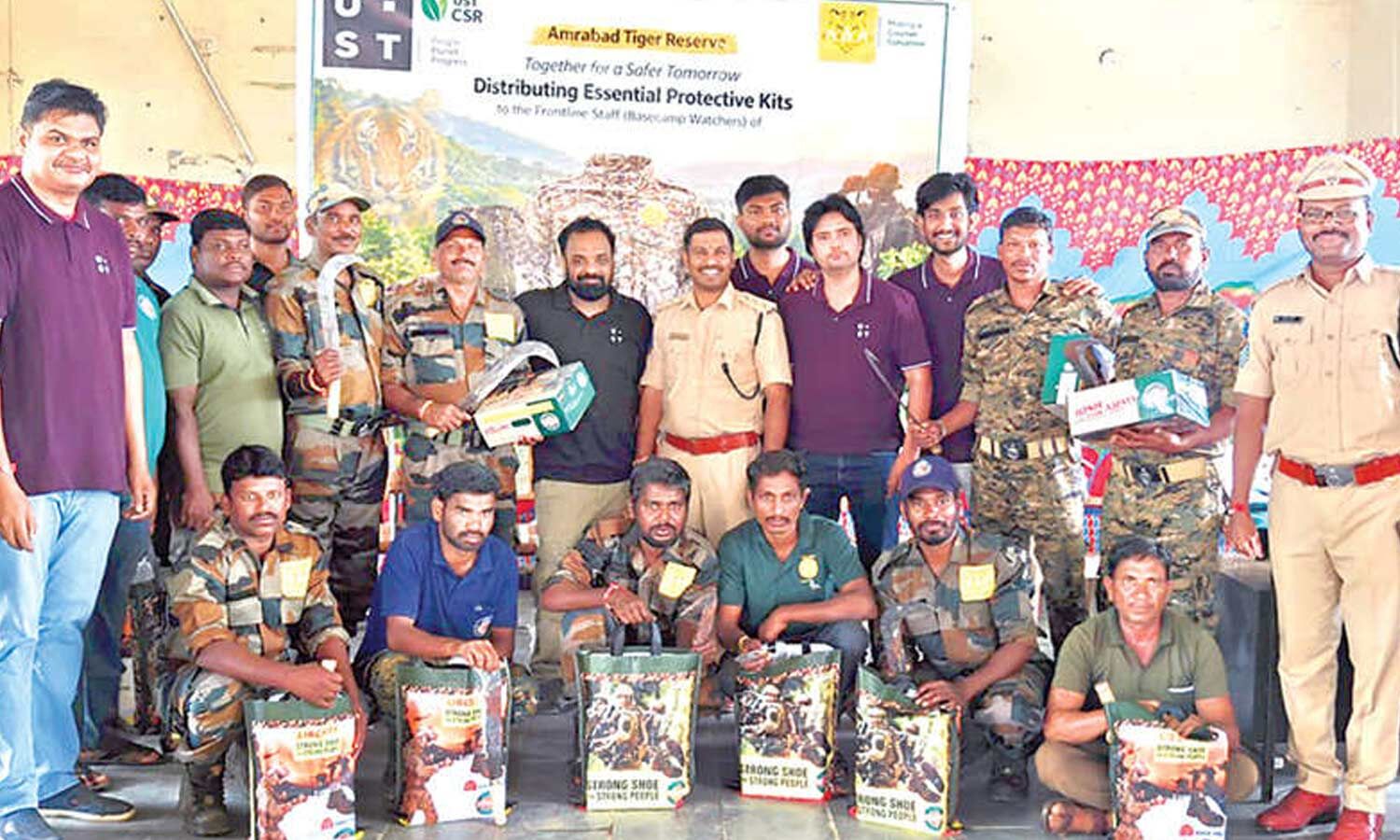
UST distributes protection kits to 170 Amrabad Tiger Reserve staff

Scientific Survey Assesses Wildlife and Biodiversity in Kothagudem Forests

AI Helps India Protect Tigers From Pugmarks to Alerts

Six Held After Sambar Deer Poached Near Nilgiris' Kotagiri
Tigress Death in Snare Raises Nallamala Wildlife Safety Concerns
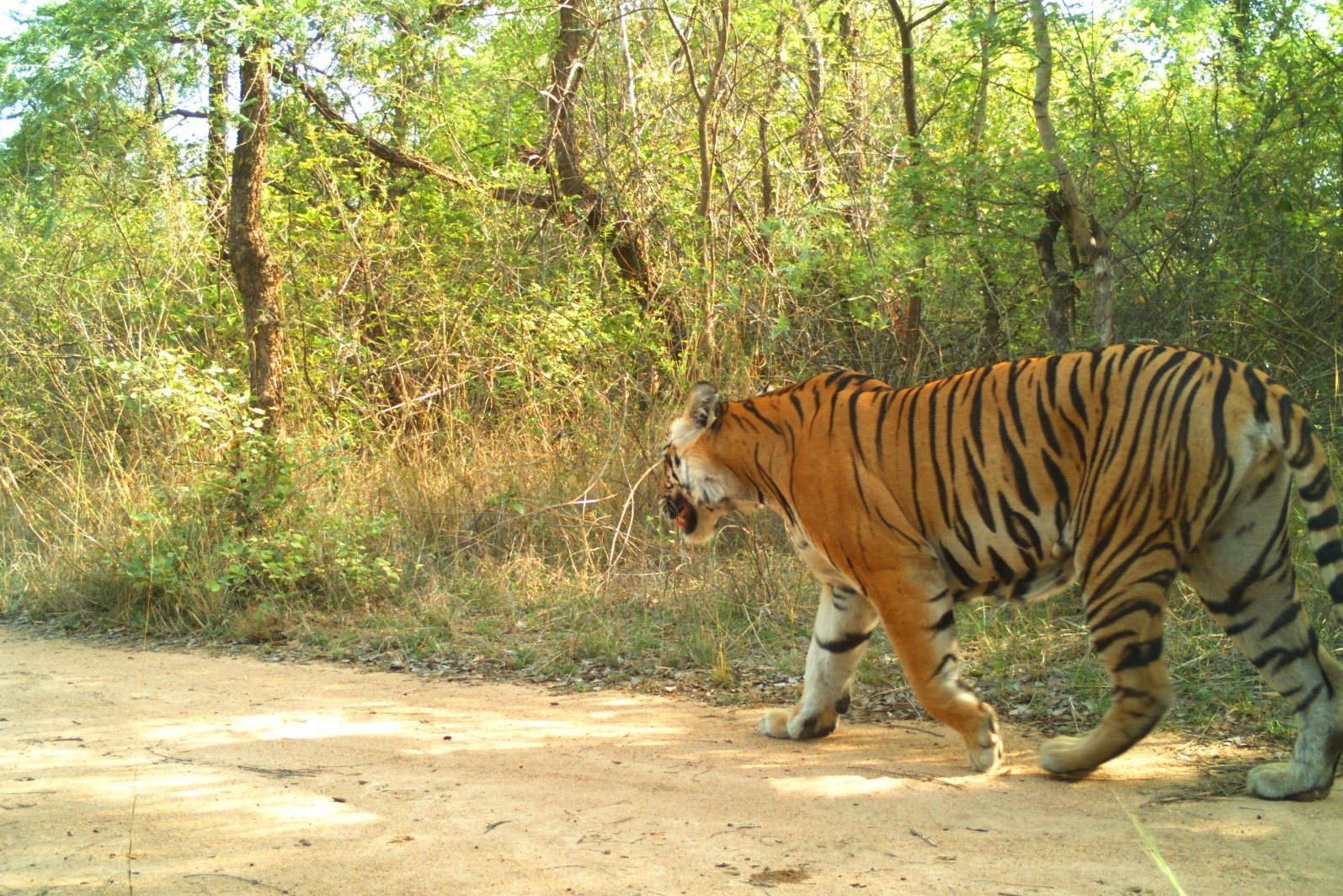
High-Level Panel Recommends More Camps, Drones for NSTR

Wildlife Deaths Raise Concern Across Rayalaseema Region
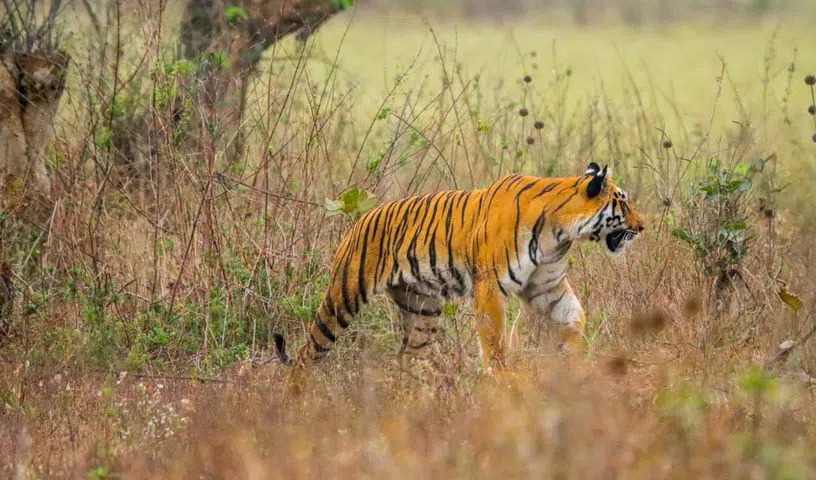
AP Forms 5-Member Panel to Review Tiger Conservation
