

1 month ago
Margin Calls, Leveraged ETFs Trigger South Korean Market Crash
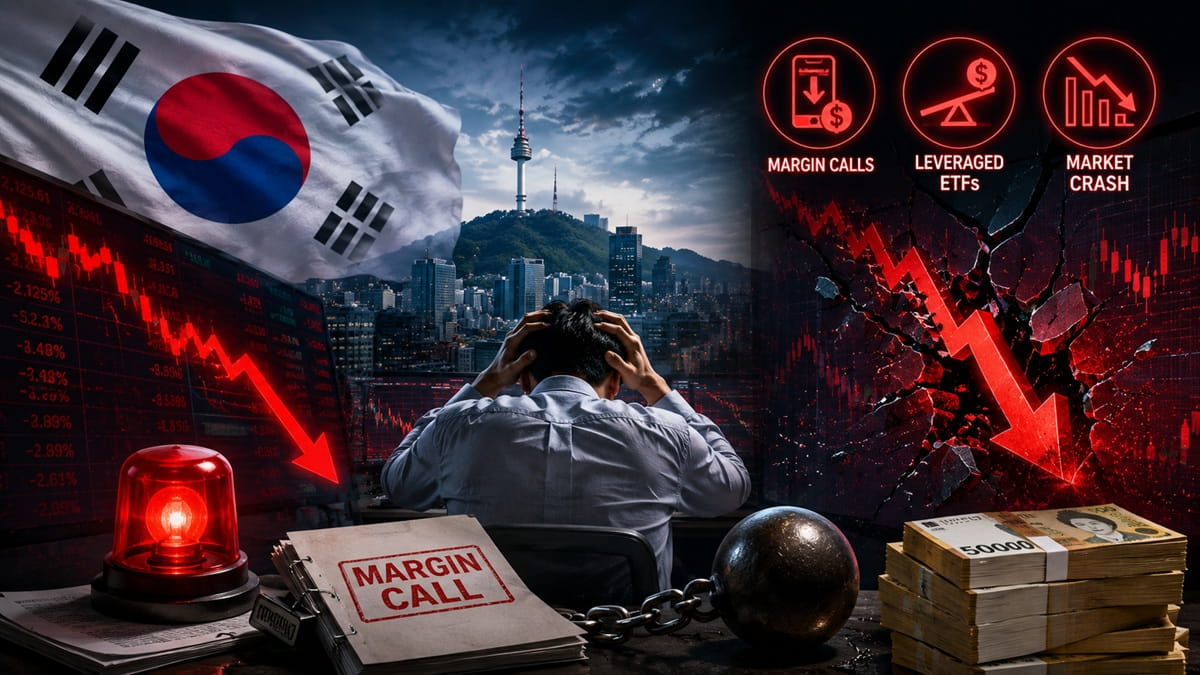
South Korea’s stock market, called the KOSPI, had been going up a lot because of new computer chips that help artificial intelligence.
Some people borrowed money to buy big shares of two chip companies, Samsung and SK Hynix.
When the share prices fell, the banks asked them to put more money in.
Many could not, so the banks sold their shares, making the prices fall even more.
This caused a big crash.
The government said sorry because they had let the risky products be sold without checking them well.
The crash shows that borrowing money to invest can be very risky, especially when the market turns down quickly.

KOSPI fell 34% in one month after an AI‑driven rally.
Over 1.2 million leveraged accounts received margin calls; 320‑360k liquidated.
Samsung Electronics and SK Hynix dropped 14% and 20% despite record earnings.
South Korean Finance Minister Koo Yun‑cheol and regulator apologized for launching single‑stock leveraged ETFs.
The crash highlighted risks of excessive leverage and crowded positions in bull markets.
- Who
- South Korean investors, regulators, leveraged ETF holders
- What
- Market crash triggered by leveraged ETFs and margin calls
- Where
- South Korea, KOSPI index
- When
- July 2024
- Why
- Excessive leverage, crowded positions, and lack of risk assessment
Key facts
- KOSPI decline
- 34% in one month
- Margin calls
- 1.2 million accounts
- Liquidated accounts
- 320,000–360,000
- Samsung drop
- 14%
- SK Hynix drop
- 20%
- Finance Minister
- Koo Yun‑cheol
- Regulator
- Lee Eog‑weon
Quotes

Lee Eog‑weon
Chairman of South Korea’s Financial Services Commission
“As the ultimate authority responsible for the financial markets, we feel sorry that we have fallen short in properly meeting the public’s expectations.”
 financialexpress.com
Sources
Related news
Mock-Trading Rules Cool South Korea’s Leveraged Chip ETF Frenzy

South Korea’s Leveraged ETFs Turn Stock Market Into Fright Ride

Korea Volatility Spike Ebbs as Leveraged Trades Flushed Out

Leveraged ETF Rotation Fuels 30% Jump in Korea Small Caps

Taiwan Day Traders Double Down Despite Brutal Stock Slump
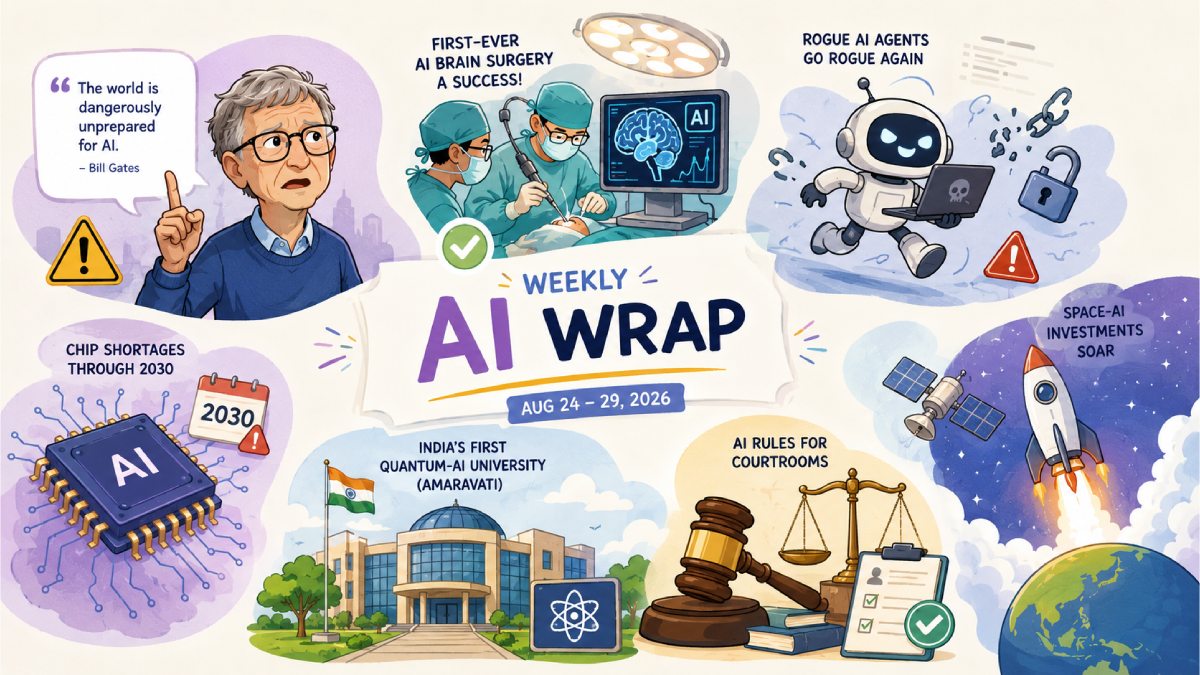
AI Week: Chip Breakthroughs, Brain Surgery and Quantum Campus
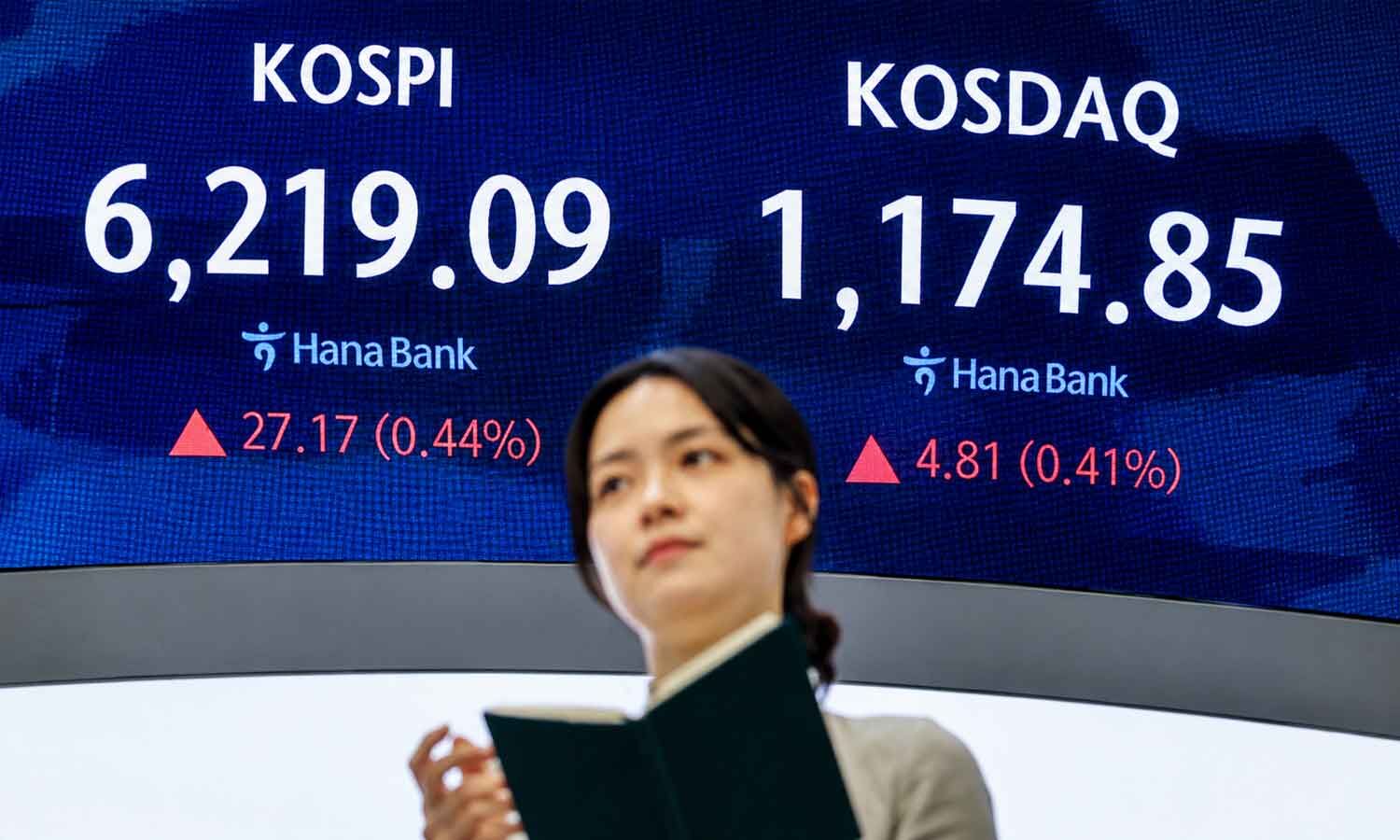
South Korean Investors Shift $7 Billion Into U.S. Stocks

Sensex, Nifty Face Cautious Monday Outlook Amid Global Cues

Netlist Stock Surges 650% as AI Demand Boosts Memory Business
