2 weeks ago
Always Online: The Pressure and Cost of Constant Visibility
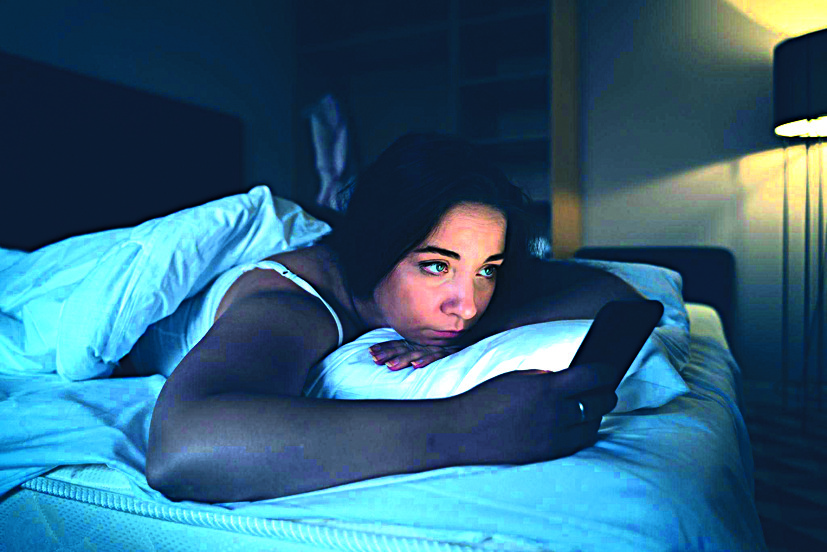
Imagine you post a picture and then keep checking your phone to see who liked it.
Many people feel like they always have to be online and share what they do.
If they are not online, people think something is wrong.
This is called the pressure to always be visible.
It can make people feel tired and worried because they feel watched.
Some people start to perform instead of being themselves, like pretending to be happy just for a photo.
Even friends and family can get upset if you do not reply quickly.
This can make people forget that it is okay to keep some things private.
The article says taking breaks from social media, like a digital detox or a quiet walk without your phone, can help.
In the end, the writer says the best luxury is not attention but the ability to be unseen.

A 2026 essay argues that being online is no longer a choice and that in 2026, being offline raises eyebrows.
Digital tracking—location sharing, fitness trackers, step counts, sleep/productivity apps, online status and read receipts—creates an expectation of instant replies.
General physician Dr Rosanne Fortez (also referred to as Dr Fortes) says constant visibility causes low-grade anxiety, emotional fatigue, and blurs authentic living with performative behaviour.
People curate and self-censor their posts, timing them to look aesthetically pleasing, while offline choices like 'Instagrammable' places and OOTD-worthy outfits are shaped by online visibility.
The pressure has entered relationships, where being reachable is treated as loyalty and a 'Why didn't you reply?' culture prevails; suggested escapes include digital detoxes, minimal posting, and 'silent walking'.
- Who
- Social media users feeling pressure to be constantly visible, including homemaker Seeta Tiwari, UI/UX designer Brenden Mathew, and general physician Dr Rosanne Fortez (also called Dr Fortes), whose comments are quoted.
- What
- A reflection on how online visibility has become a social obligation, fueling performative behaviour, anxiety, self-surveillance, and pressure within relationships.
- Where
- Not specified; presented as a general, global phenomenon.
- When
- Not specified beyond the article's 2026 context.
- Why
- Because being seen online is now expected, normalised, and rewarded, while privacy and silence are increasingly rare, blurring the line between authentic living and performance.
The Always-Online View
The Privacy-First View
Constant online visibility
The Always-Online View
Staying online keeps people connected, is expected, normalised, and rewarded, and being seen is what makes you 'present'.
The Privacy-First View
Constant visibility creates low-grade anxiety, emotional fatigue, and self-censorship, and erodes the ability to simply exist without performance.
Reachability in relationships
The Always-Online View
Sharing location and replying quickly shows loyalty and closeness, making being reachable a form of care in relationships.
The Privacy-First View
The 'Why didn't you reply?' culture puts partners on edge and turns availability into surveillance, altering behaviour and increasing anxiety.
Key facts
- Main argument
- Online visibility has shifted from a choice to an obligation
- Context year
- 2026
- Quoted voices
- Seeta Tiwari (homemaker), Brenden Mathew (UI/UX designer), Dr Rosanne Fortez (general physician)
- Platforms and features cited
- Instagram, Microsoft Teams, Slack, read receipts, location sharing
- Documented effects
- Low-grade anxiety, emotional fatigue, self-censorship, performative behaviour
- Suggested responses
- Logging off, private accounts, digital detox, minimal posting, silent walking
- Central quote
- The rarest luxury today isn't attention—it's anonymity
Quotes
Dr. Rosanne Fortez
general physician
“"Constant online visibility creates a low‑grade anxiety where individuals feel they must always be available, responsive, and interesting. Over time, this blurs the boundary between authentic living and performative behaviour, leading to emotional fatigue,"”
 deccanchronicle.com
“"I use social media to stay connected, but sometimes it feels like there’s pressure to keep sharing—what I cook, where I go, what I do. It makes you wonder if you’re living for yourself or for others to see,"”
deccanchronicle.com
Sources
Related news

Why Privacy Is Becoming Modern Relationships’ New Luxury
Why Delayed Replies Can Trigger Anxiety In Digital Relationships

Why Modern Fiction Is Obsessed With Lonely People

How Celebration Culture Turns Birthdays Into Performative Stress
How Constant Content Fills the Silence of Modern Loneliness
Why Young People Feel Too Connected to Connect

Pune Firm Loses Rs 30 Lakh in Teams Boss Scam

Google to buy Spirit Airlines' employee data for AI training
Employee on 8-Hour Daily Video Calls Considers HR Complaint

CERT-In Warning: Microsoft Teams, Office, Azure Face Hacking Risk