3 days ago
Why Delayed Replies Can Trigger Anxiety In Digital Relationships
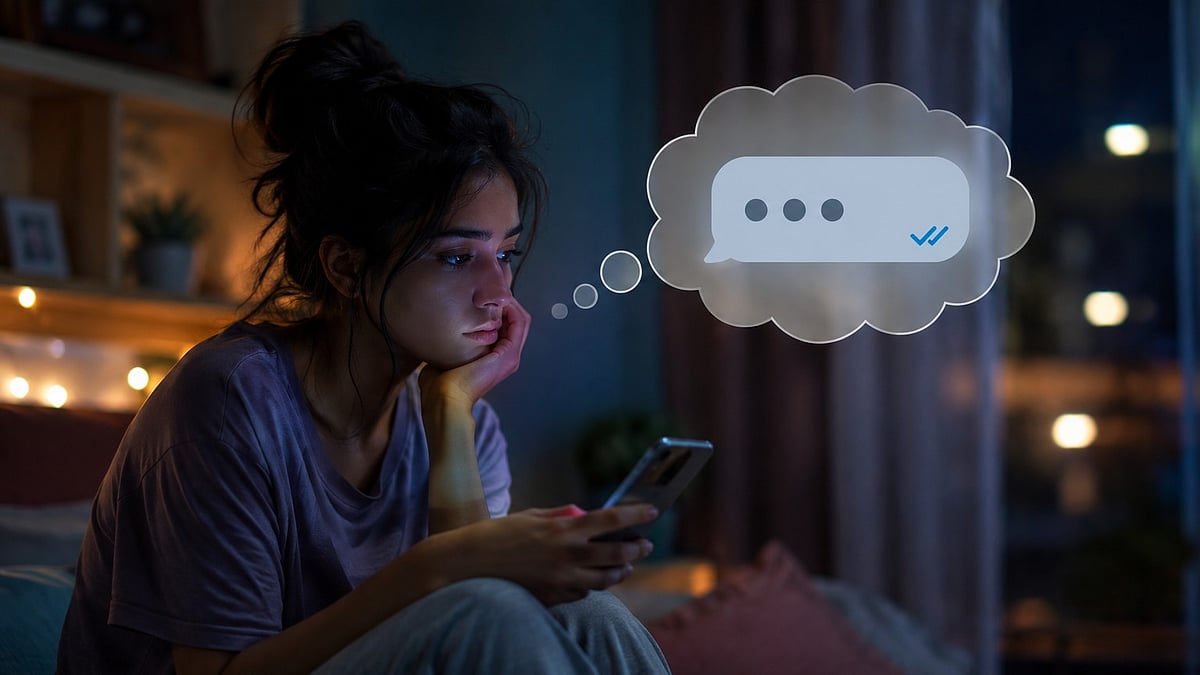
When someone does not answer a message quickly, it can make us feel worried.
We may start thinking they are angry or no longer interested.
But the person may simply be busy, tired, or away from their phone.
Phones have made us expect very fast replies.
This can make normal delays feel much more important than they are.
Worry can grow when we reread messages or check someone’s online status.
It helps to remember that a late reply is a fact, while the meaning we give it is only a guess.
Putting the phone away and doing another activity can help us feel calmer.

Delayed messages can feel like rejection because silence leaves room for negative assumptions.
Instant communication has created expectations that people should reply quickly and remain constantly available.
Unspoken texting rules can make people worry about seeming eager, uninterested, or desperate.
Anxiety may lead people to reread messages, check online status, and seek reassurance.
Experts recommend separating facts from assumptions, limiting phone checking, and accepting different communication styles.
- Who
- People using digital messaging, including those who are sensitive to delayed responses; psychologists and communication users quoted in the article.
- What
- Delayed replies can cause anxiety, overthinking, and concerns about rejection or relationship problems.
- Where
- In digital messaging and social media interactions.
- When
- In the age of instant communication and during periods when a message remains unanswered.
- Why
- Fast communication has created expectations for immediate replies, while text messages lack tone and facial expressions, leaving room for negative assumptions.
Key facts
- Main trigger
- Uncertainty caused by a lack of response or explanation.
- Common assumptions
- A person may be angry, losing interest, or deliberately ignoring the sender.
- Other possible reasons
- The recipient may be busy, distracted, tired, or lacking time or energy to respond.
- Overthinking behaviors
- Rereading messages, checking online status, analyzing wording, and considering another text.
- Expert advice
- Separate what happened from what you assume it means.
- Helpful actions
- Put the phone away, reduce notifications or read receipts, and redirect attention to other activities.
- Relationship guidance
- Healthy relationships are not measured only by response time.
Quotes
Sejal Wakkar
PR consultant at Vicara PR
“As a Zillennial, I think we're more aware of how delayed replies can trigger overthinking, compulsive checking, and the urge to seek reassurance. What helps is recognising when you're getting caught in that cycle and consciously redirecting your attention – whether through reading, going for a walk, practising yoga, or simply stepping away from social media. Sometimes, the healthiest response to being left on read isn't another text, but returning to a life that exists beyond the screen.”
 freepressjournal.in
“A delayed reply can become a blank canvas for our fears. Without tone, body language, or immediate feedback, the mind starts creating explanations. We may check someone’s online status, reread messages, or analyse every detail for reassurance, which can reinforce anxiety. The key is to pause between what happened and what we assume it means. A delayed response is a fact; what we believe it means is an assumption.”
freepressjournal.in