

1 month ago
German Ambassador Reflects on India-Germany Relations
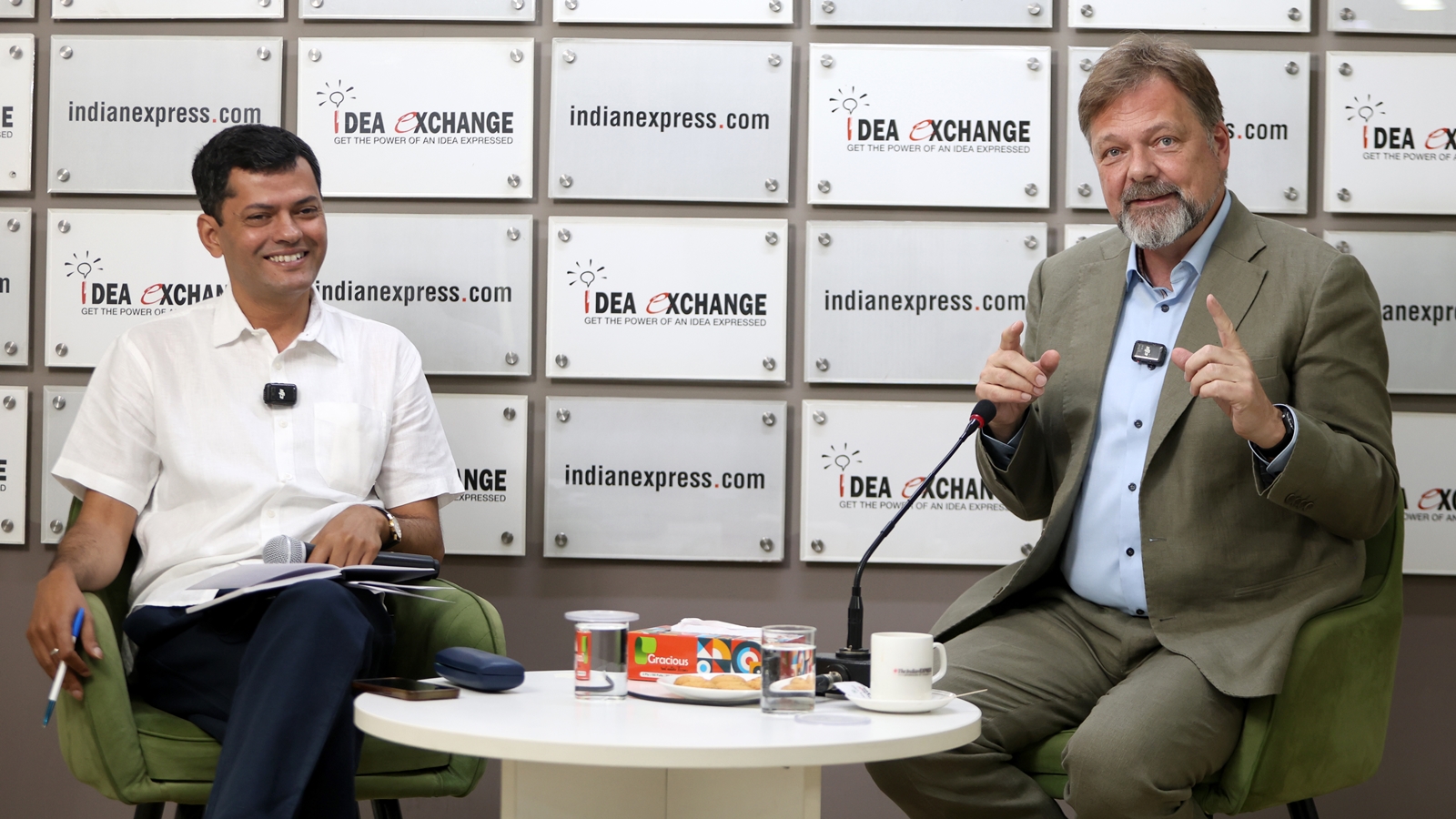
German Ambassador Philipp Ackermann, who is leaving India after four years, reflected on the strong and evolving relationship between India and Germany.
He highlighted the successful Free Trade Agreement (FTA) with the European Union, which will boost business ties.
Ackermann also discussed the importance of migration for filling labor shortages in Germany, noting that Indian migrants have integrated well into the German labor market.
He acknowledged the contentious nature of migration in Germany but emphasized the need for fair and legal migration channels.
The conversation also touched on Germany's shifting stance on Israel, the impact of Russia's invasion of Ukraine, and the need for increased defense spending.
Ackermann expressed his admiration for India's complexity and his curiosity about China's deep cultural roots as he prepares to take up his new post in Beijing.

India and Germany celebrate 75 years of diplomatic ties and 25 years of strategic partnership.
A Free Trade Agreement (FTA) between India and the EU has been agreed upon after a long negotiation period.
Indian migration to Germany has been successful, particularly in healthcare and crafts.
Germany is facing a shrinking population and needs fair and legal migration channels to fill labor shortages.
Germany's support for Israel remains, but criticism of Israeli government policies is growing.
Russia's invasion of Ukraine has led to increased defense spending in Germany and a focus on cyber warfare.
Germany is exploring ways to make cities cooler in response to heatwaves, including greenery and shade structures.
- Who
- German Ambassador Philipp Ackermann
- What
- Reflection on India-Germany relations and various geopolitical issues
- Where
- India
- When
- During his final years as Ambassador to India
- Why
- To mark 75 years of diplomatic ties and discuss future partnerships
Pro-Migration Stance
Anti-Migration Stance
Migration's Role in Germany
Pro-Migration Stance
Migration is essential for filling labor shortages in areas like engineering, healthcare, and skilled trades. Indian migrants have successfully integrated into the German labor market, particularly in sectors like healthcare and crafts.
Anti-Migration Stance
Migration is seen as a threat to social welfare systems and cultural identity. There is a strong feeling of being overwhelmed and a belief that migrants are undermining the social welfare system.
Key facts
- Diplomatic Relations Duration
- 75 years
- Strategic Partnership Duration
- 25 years
- Free Trade Agreement Status
- Recently agreed upon after a long negotiation period
- Key Sectors in FTA
- Car-making and machinery
- Migration Impact
- Indian migration has been successful in Germany, particularly in healthcare and crafts
- Germany's Population Trend
- Shrinking population
- Germany's Stance on Israel
- Support for Israel's existence remains, but criticism of Israeli government policies is growing
- Germany's Defense Budget
- Increased due to Russia's invasion of Ukraine
Quotes

Philipp Ackermann
German Ambassador to India
“There is one problem, though: the German language. Beyond Berlin, getting by with English is a problem — German is an essential skill. But generally, Indian migration has been a success in Germany.”
 indianexpress.com
“I was very impressed by how well the Indians there had integrated into the German labour market after their studies.”
indianexpress.com
Sources
Related news

Four KIIT Students Win Medals for India at Glasgow Games

St Peter's Engineering College launches Robotics Centre of Excellence

Volvo ES90 And EX90 Electric Flagships Launch In India
Bihar Student Wins ₹3.5 Crore Georgetown Scholarship After Rejections

Ten Kautilya Students Secure Top Management Admissions Through IPMAT

India, Germany Nearing Submarine Deal, Ambassador Says Soon

Jaishankar lauds Ackermann's role in India-Germany ties
Germany Streamlines Visa Process, Boosts Indian Tourism
India-EU FTA to Boost Economic Prosperity
