50 mins ago
Heart Health Awareness Encourages Prevention and Healthy Habits
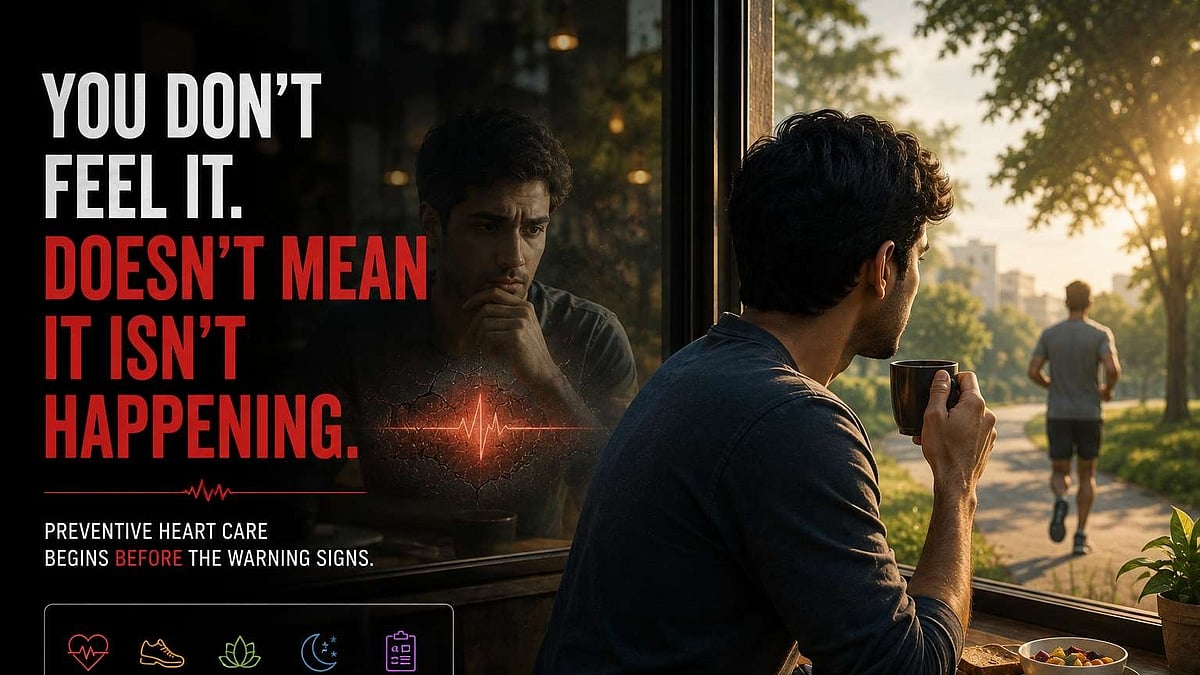
Heart problems do not always make people feel sick at first.
High blood pressure and high cholesterol can be present without clear warning signs.
Regular health checks can help find these problems early.
Eating foods such as fruits, vegetables, whole grains, pulses and nuts can support heart health.
It is also helpful to limit too much salt, added sugar and unhealthy fats.
Moving regularly through walking, cycling, swimming or sports helps keep the heart fit.
Sudden symptoms such as chest discomfort or unusual breathlessness should not be ignored.
Learning about heart health helps young people make healthy choices without feeling afraid.

High blood pressure and high cholesterol may develop without noticeable early warning signs.
Young people can build lifelong heart-healthy habits by learning about food, exercise, sleep and well-being.
Balanced meals featuring fruits, vegetables, whole grains, pulses and nuts can support cardiovascular health.
Limiting excessive salt, added sugars and unhealthy fats can contribute to sustainable healthy eating.
Sudden chest discomfort, breathlessness, dizziness, fainting or unexplained weakness should prompt medical advice.
- Who
- Young people and students are the focus of the heart-health guidance.
- What
- The guidance explains how awareness, health checks, balanced eating, physical activity and symptom recognition support heart health.
- Where
- No specific location is stated.
- When
- No specific time or date is stated; the advice applies as young people develop habits for adulthood.
- Why
- Some heart-related conditions can remain unnoticed, while healthy habits and timely medical advice may support long-term well-being.
Key facts
- Silent risks
- High blood pressure and high cholesterol may have no noticeable early warning signs.
- Healthy foods
- Vegetables, fruits, whole grains, pulses, nuts and other nutrient-rich foods can support a balanced eating pattern.
- Foods to limit
- Excessive salt, added sugars and foods high in unhealthy fats.
- Physical activity
- Walking, cycling, swimming, sports and other exercise can support cardiovascular fitness.
- Warning signs
- Chest discomfort, unusual breathlessness, sudden dizziness, fainting or unexplained weakness should not be ignored.
- Main approach
- Heart-health education should focus on awareness and prevention rather than fear.
Sources
Related news

National Self-Awareness Day Encourages Students to Understand and Grow

World First Aid Day Highlights Essential Skills for Students

Libraries Remember Day Highlights Spaces for Learning

Physical Therapy Helps Restore Movement, Strength and Everyday Function

How Everyday Gratitude Builds Kindness and Emotional Resilience