

2 hrs ago
Physical Therapy Helps Restore Movement, Strength and Everyday Function

Physical therapy helps people move better and feel less pain.
It can help after an injury, surgery or sports problem.
It may also help with muscle and joint discomfort.
Our muscles, bones, joints, nerves and connective tissues work together when we move.
Physical therapists study how these body parts work.
They create exercises and activities based on each person’s needs.
These activities can include stretching, strengthening and balance practice.
The goal is to help people become stronger, more flexible and better coordinated.
Physical therapy can be interesting for students who enjoy biology, sports, healthcare or learning about movement.

Physical therapy helps people improve movement, manage pain and recover from injuries or physical conditions.
It can support recovery after surgery, sports injuries, serious conditions and everyday muscle or joint discomfort.
Physical therapists assess movement difficulties involving muscles, bones, joints, nerves and connective tissues.
Treatment may include stretching, strengthening, balance activities, movement training and other individualized techniques.
The field applies anatomy and physiology to improve strength, flexibility, coordination and everyday function.
- Who
- Physical therapists and people recovering from injuries, surgery or physical conditions.
- What
- Physical therapy uses assessment, exercises and movement training to improve movement, manage pain and support recovery.
- Where
- The articles do not specify a particular location.
- When
- The articles do not specify a particular time.
- Why
- To help improve strength, flexibility, coordination, movement and everyday function while managing pain and supporting recovery.
Key facts
- Field
- Physical therapy is a healthcare field focused on movement, pain management and recovery.
- Relevant body systems
- Muscles, bones, joints, nerves and connective tissues work together to support movement.
- Common uses
- Recovery after surgery, sports injuries, serious conditions and everyday muscle or joint discomfort.
- Treatment examples
- Stretching, strengthening exercises, balance activities and movement training.
- Treatment approach
- Plans are designed around an individual’s needs.
- Study foundation
- Anatomy and physiology can help explain movement and recovery.
Sources
Related news

Kartik Aaryan’s Knee Surgery Recovery Depends on Procedure

National Sports Day Celebrates Fitness, Talent and Inclusion
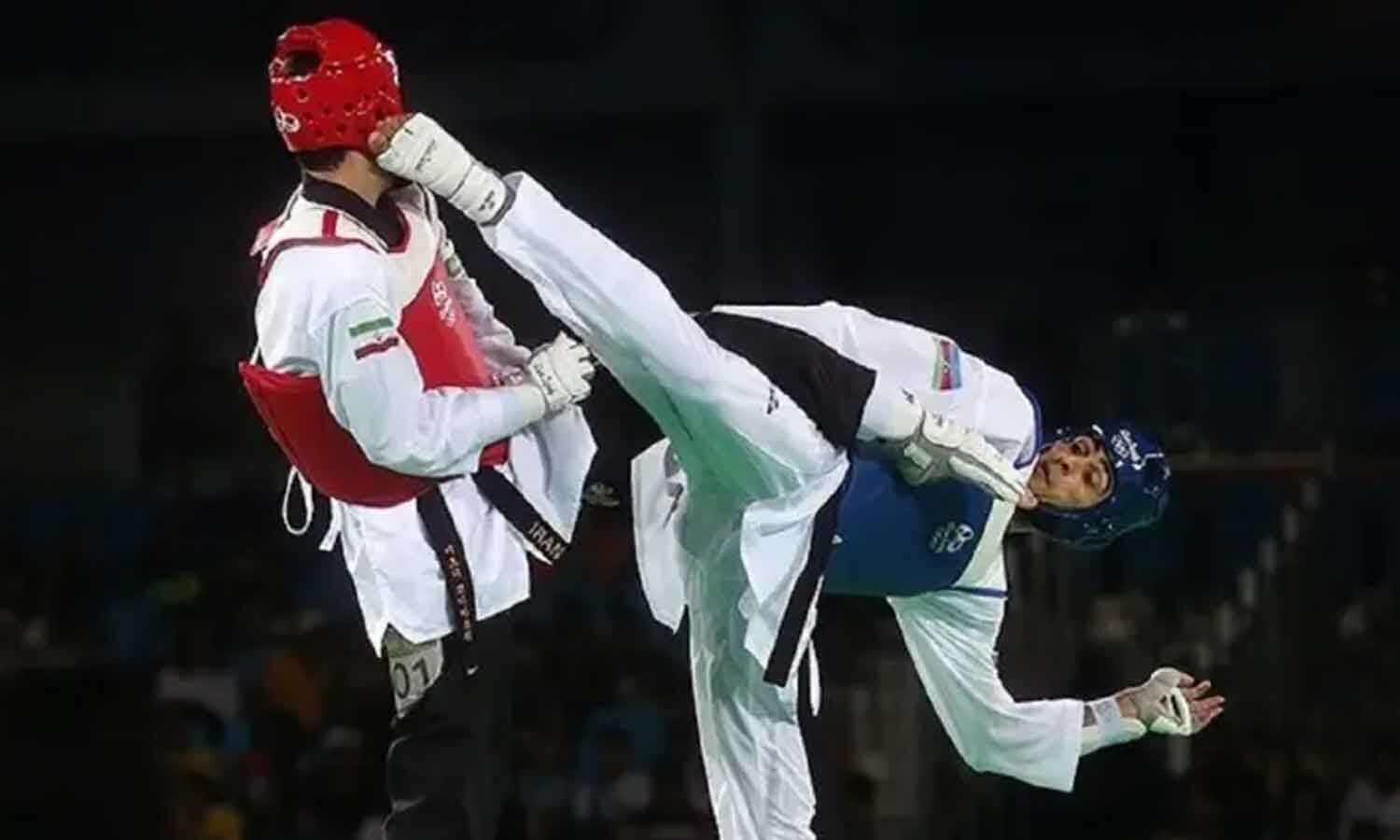
International Taekwondo Day Celebrates Discipline, Skill and Sportsmanship

Doctors Explain Massage Benefits, Limits, and Hidden Health Risks

Randeep Hooda’s Fitness Routine Combines Powerlifting With Walking
