1 hr ago
Why Blood Sugar Can Rise Without Eating Food
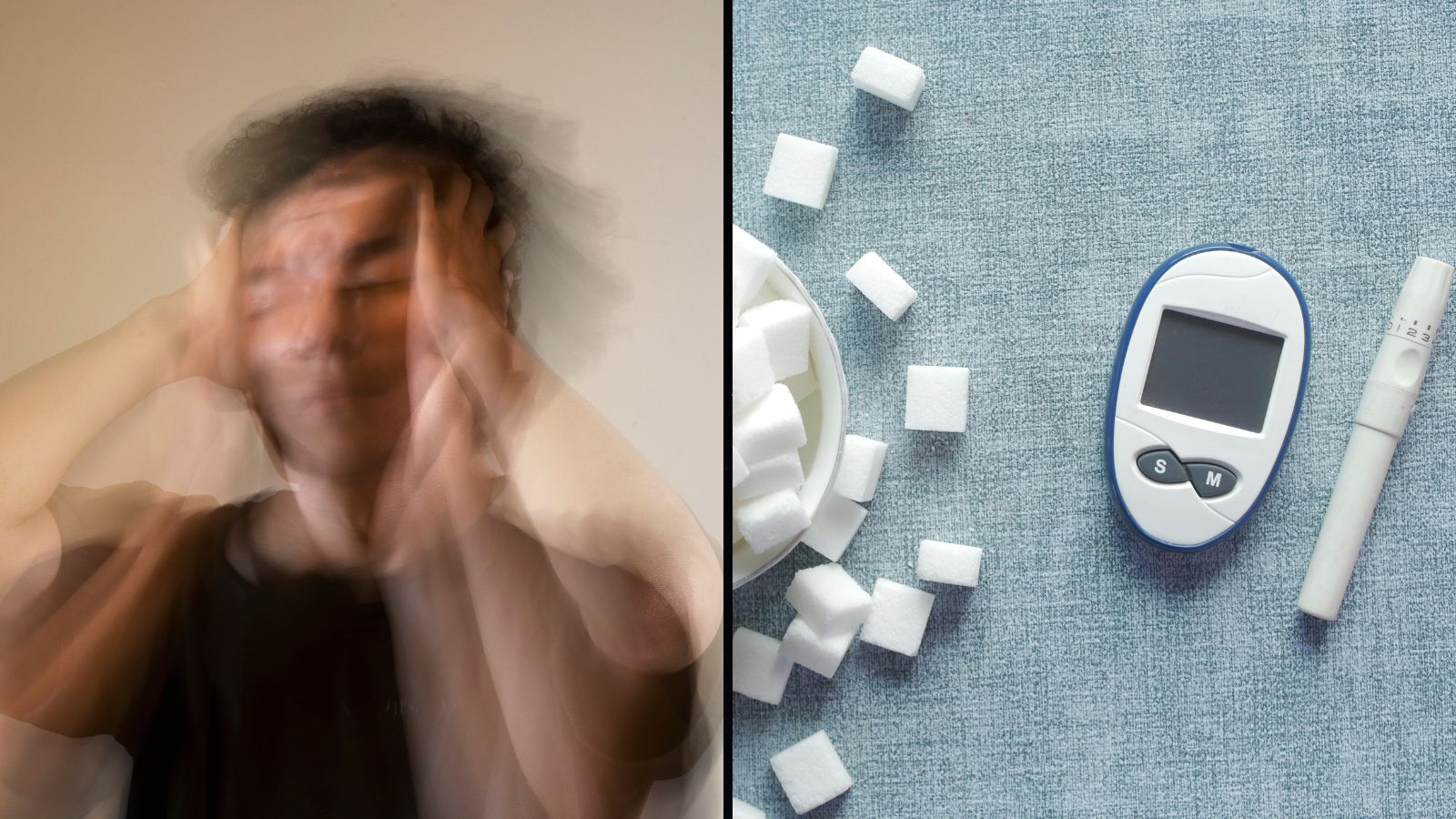
Blood sugar can rise even when you have not eaten.
This can happen when your body feels stressed, frightened or physically challenged.
In these moments, the body releases a hormone called adrenaline.
Adrenaline tells the liver to send stored sugar into the blood for quick energy.
It can also make the body temporarily less responsive to insulin.
Exercise, pain, illness, lack of sleep, arguments and public speaking can trigger this response.
In healthy people, blood sugar usually settles after the stressful event ends.
People with diabetes or prediabetes may need more time to bring their levels down.
Sleep, breathing exercises, mindfulness, regular routines and prescribed treatment may help manage these changes.

Stress, fear, pain, anxiety and intense exercise can raise blood sugar without food.
Adrenaline signals the liver to release stored glucose and produce more glucose.
Adrenaline can temporarily reduce insulin secretion and insulin sensitivity.
Healthy people typically return to normal after occasional stress-related spikes.
People with diabetes or prediabetes may experience larger or longer-lasting increases.
- Who
- People who experience stress-related glucose changes, especially those with diabetes, prediabetes or other metabolic conditions; Dr Palleti Siva Karthik Reddy explains the process.
- What
- Blood sugar can rise without eating because adrenaline causes the liver to release or produce glucose and can temporarily reduce insulin effectiveness.
- Where
- The process involves the adrenal glands, liver, bloodstream and the body’s muscle and fat cells.
- When
- During or after fight-or-flight triggers such as stress, fear, pain, intense exercise, illness, lack of sleep or excessive caffeine.
- Why
- The body releases extra glucose to provide rapid energy to vital organs and muscles during a perceived physical or mental challenge.
Key facts
- Main hormone
- Adrenaline, also called epinephrine
- Primary glucose source
- Stored glycogen and newly produced glucose released by the liver
- Food-related spike
- Caused by digestion and absorption of carbohydrates
- Stress-related spike
- Can occur without food intake
- Possible triggers
- Public speaking, examinations, work pressure, arguments, heavy traffic, pain, infections, intense exercise and lack of sleep
- Higher-risk groups
- People with diabetes, prediabetes or other metabolic conditions
- Suggested strategies
- Regular activity, adequate sleep, mindfulness, controlled breathing, a consistent routine and prescribed medication
Quotes
Dr Palleti Siva Karthik Reddy
Consultant physician at Elite Care Clinic
“These temporary fluctuations are generally not harmful when they occur occasionally. However, in people with diabetes or prediabetes, impaired insulin production or action can make it more difficult to bring glucose levels back under control, so stress-related spikes may be more pronounced or last longer.”
 indianexpress.com
“Adrenaline is one of the body’s primary stress hormones and is released rapidly during situations that require an immediate physical or mental response. It signals the liver to break down stored glycogen into glucose and also stimulates the production of new glucose through gluconeogenesis.”
indianexpress.com
Sources
Related news

Why Blood Sugar Rises Even When You Haven’t Eaten

Why Blood Sugar Stays High Without Sweets or Sugar
Medication and Blood Sugar Can Vary Between People
Why Flu Can Raise Blood Sugar Despite Eating Less
Weekend Habits May Disrupt Blood Sugar Into Week