

9 months ago
Earth’s Nearest Body Hides Space’s Most Valuable Element, Fueling Lunar Race
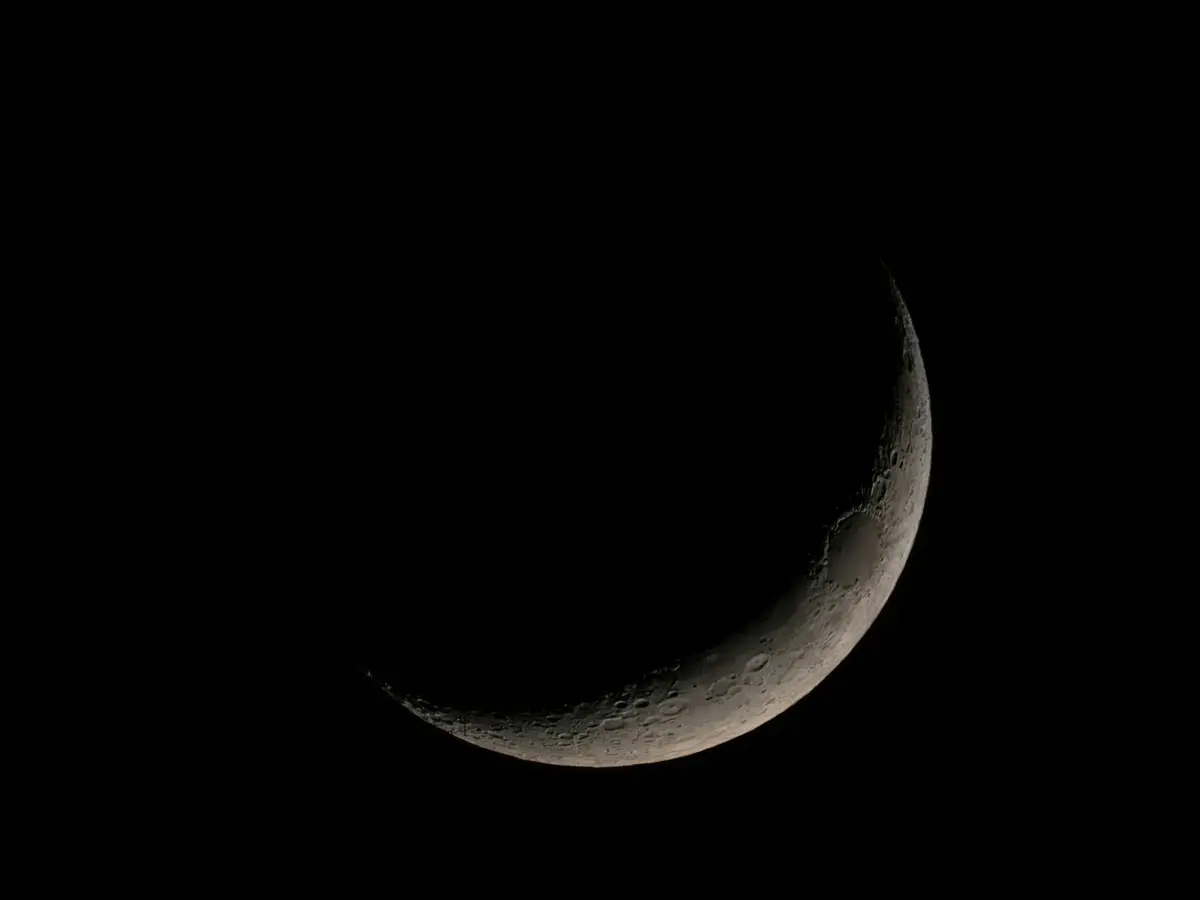
Imagine the Moon has a special kind of sand, like a treasure, called Helium-3.
This Helium-3 is super important because grown-ups think it can be used to make electricity without making harmful pollution, unlike some of the ways we make power now.
We don't have much of this special sand on Earth, but the Moon has a lot of it!
Because of this, countries like America and China are trying to get to the Moon first to get this treasure.
They want to land there, maybe even build a little house, and collect the Helium-3.
This is a big race, and some companies are already planning to buy the Helium-3 once it's brought back.
It's like a race to find buried treasure that can help power our planet cleanly.

A race is on between nations like the US and China to reach the Moon.
The primary motivation is to mine Helium-3, found abundantly in lunar soil.
Helium-3 is a potential source for clean electricity generation through fusion reactors, producing no dangerous waste.
Earth has a scarcity of Helium-3, while the Moon is estimated to hold millions of metric tons.
Commercial agreements are being made for future purchases of lunar Helium-3, indicating the economic potential of this resource.
- Who
- NASA, China, Russia, India, Europe, Bluefors, Interlune, Blue Origin
- What
- A race to the Moon is underway, driven by the potential to extract Helium-3 for clean energy and other resources, leading to competition for lunar territory and future space missions.
- Where
- The Moon
- When
- Plans are in motion for missions by the end of the decade; commercial agreements are being made, with one set to begin in September 2025.
- Why
- To obtain Helium-3, a rare element on Earth but abundant on the Moon, which can be used to generate clean electricity through fusion reactors. Lunar bases are also seen as stepping stones for missions to Mars.
Space Exploration & Resource Exploitation
Resource Control & Geopolitical Implications
Motivations for Lunar Missions
Space Exploration & Resource Exploitation
Driven by scientific discovery, clean energy potential (Helium-3), and eventual human expansion to Mars.
Resource Control & Geopolitical Implications
Primarily a race for control over valuable resources, with the potential for geopolitical dominance and monopolization.
Helium-3 as a Clean Energy Source
Space Exploration & Resource Exploitation
Helium-3 offers a future solution for clean electricity through fusion reactors, producing no dangerous radioactive waste.
Resource Control & Geopolitical Implications
While promising, Helium-3 fusion is still theoretical and its extraction and utilization pose significant technological and economic challenges.
Key facts
- Key Element
- Helium-3
- Source
- Moon's regolith (lunar soil)
- Potential Use
- Clean electricity via fusion reactors
- Earth's Helium-3 Production
- Approx. a few thousand liters per year (slow decay of tritium)
- Estimated Lunar Helium-3
- Up to 1 million metric tons
- Key Players
- US, China, Russia, India, Europe
- Notable Commercial Agreement
- Bluefors to purchase up to 1,000 liters/year from Interlune for $300 million (starting Sept 2025)
Quotes

European Space Agency
An agency involved in space exploration.
“not be radioactive and would not produce dangerous waste products.”
 wionews.com
Sources
Related news

Ikea cuts European prices as cost pressures weaken demand

Europe's Bond Selloff Deepens as Middle East Tensions Lift Oil

China’s Rapid Car Development Faces Growing Safety Scrutiny
CNG Prices Rise Rs 2 per Kilogram in Pune
China Challenges US Leadership in Escalating Global AI Contest
