2 hrs ago
SIR and Election Commission Face Claims of Mass Disenfranchisement

India’s Election Commission has been checking the lists of people allowed to vote.
The article says this effort was meant to remove people who should not be on the lists.
But the author argues that the checks have wrongly put many eligible voters at risk of being left off.
The article calls this a serious threat to the right of adults to vote.
It says more than six million people in West Bengal were affected.
It also says nearly half of Delhi’s voters were suspected of having a problem with their records.
The article describes the process as unfair and harmful.
These are the author’s criticisms of the voter-list review.

The article criticizes the Election Commission’s Special Intensive Revision (SIR) of India’s electoral rolls.
It says the process was presented as a way to remove ineligible voters and clean up voter lists.
The author argues that the process has caused arbitrary and targeted exclusion of millions of voters.
The article says more than six million voters in West Bengal were affected by suspected discrepancies.
It says nearly every second voter in Delhi was suspected of having a so-called “logical discrepancy.”
- Who
- India’s Election Commission and voters affected by the Special Intensive Revision.
- What
- A voter-roll review that the article says has put millions of voters at risk of exclusion.
- Where
- India, including West Bengal and Delhi.
- When
- The article describes a process spanning fourteen months.
- Why
- The stated aim was to clean up electoral rolls and verify that listed voters were eligible; the author says the process has instead caused mass disenfranchisement.
Key facts
- Process
- Special Intensive Revision (SIR) of the electoral roll
- Duration described
- Fourteen months
- Stated purpose
- Clean up electoral rolls and check voter eligibility
- West Bengal
- More than six million voters were reportedly flagged or affected
- Delhi
- The article says almost every second voter was suspected of a “logical discrepancy”
- Author’s criticism
- The review is described as arbitrary, targeted, and a cause of mass disenfranchisement
Sources
Related news
Tharoor Urges India to Rethink or Abandon Voter Roll Revision
Congress Challenges Delhi SIR Over VIP Notices and Deletions
Voter Questions Burden of Proof in India’s SIR Revision
India's Controversial Electoral Roll Revision Faces Internal and Public Scrutiny
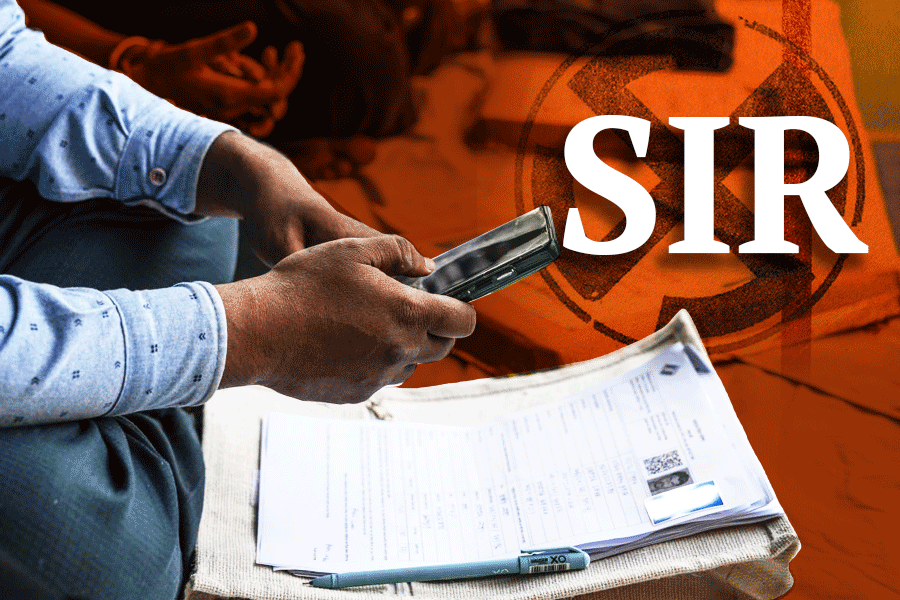
Congress Alleges Mass Voter Deletions During SIR Revision

Supreme Court Scrutiny Intensifies Over Election Roll Revision

Congress alleges voter deletions through UP electoral revision
Satheesan Calls Rahul Gandhi Opposition’s Only 2029 Option
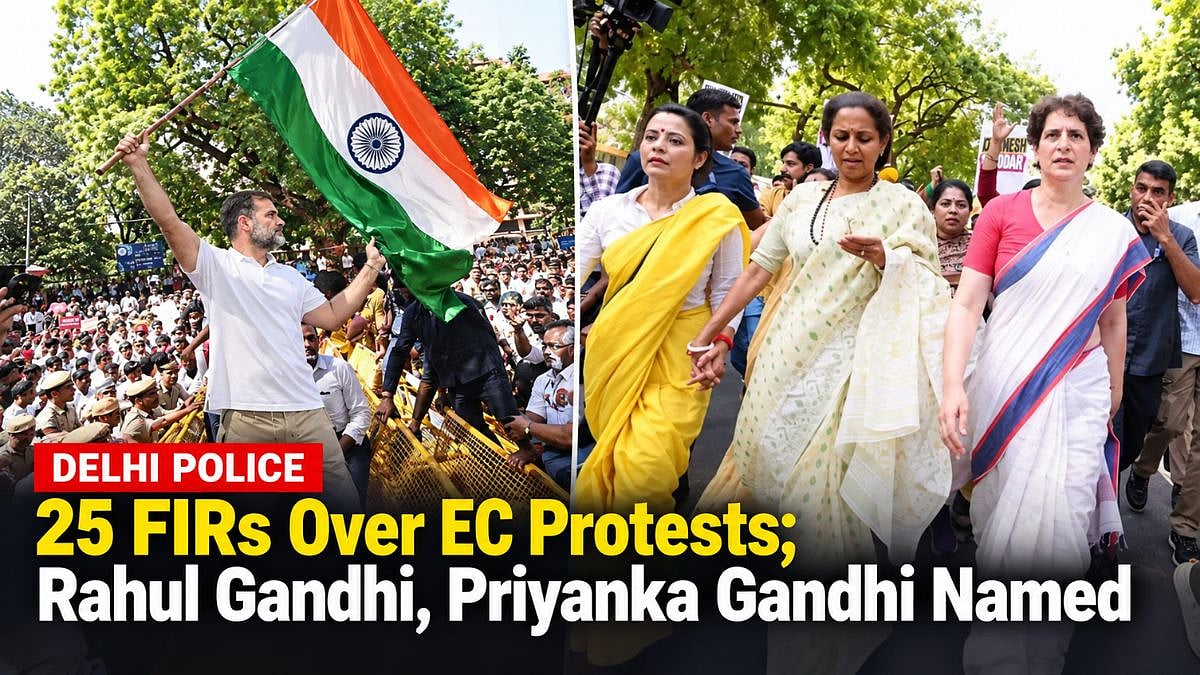
Delhi Police Register 25 FIRs Over Election Commission Protests
Kishan Reddy Accuses Congress of Undermining Constitutional Institutions
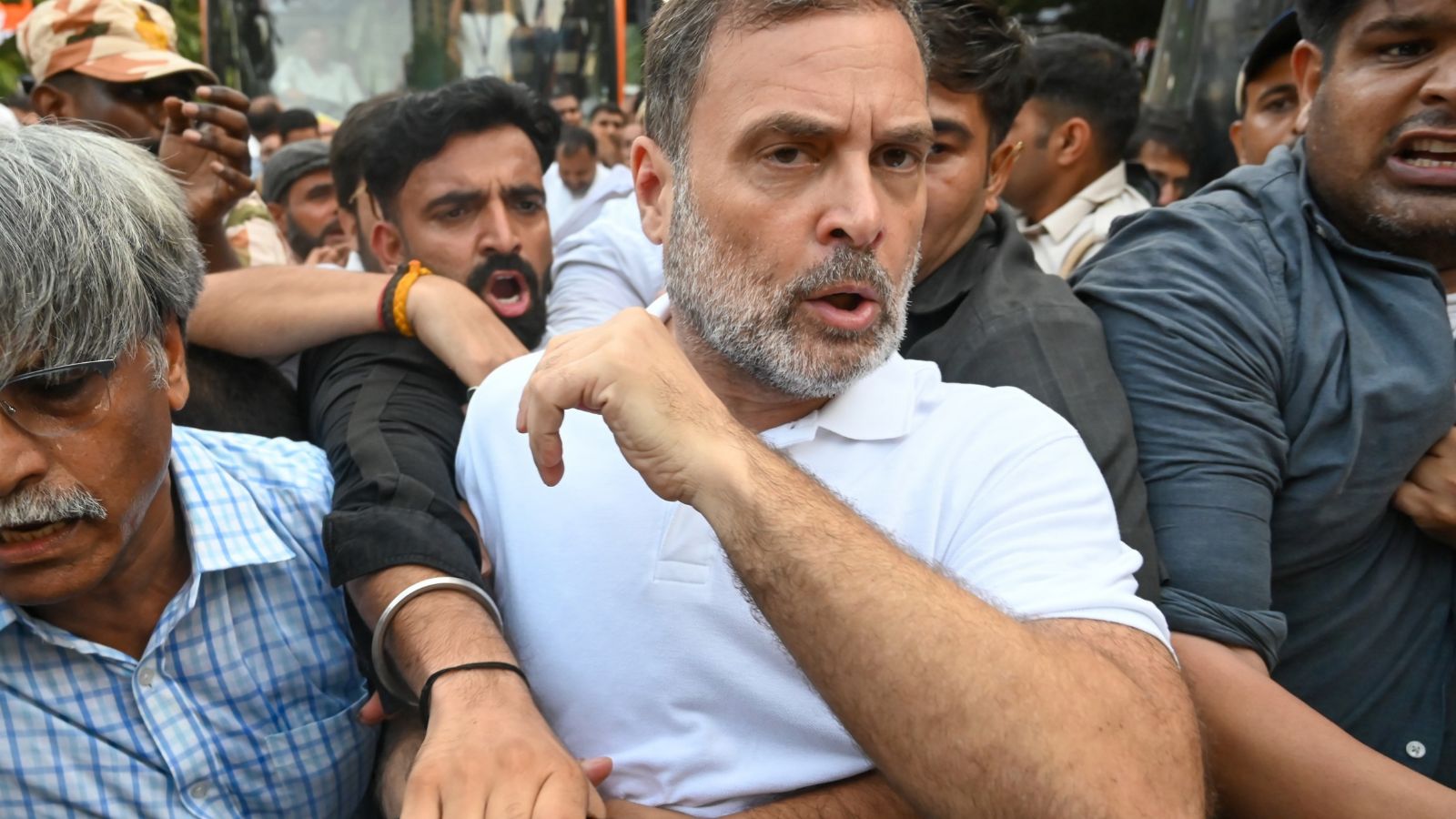
Opinion Piece Contrasts Rahul Gandhi’s Claims on Voter Roll Changes