1 day ago
India’s Blue Economy Seeks Growth With Sustainability
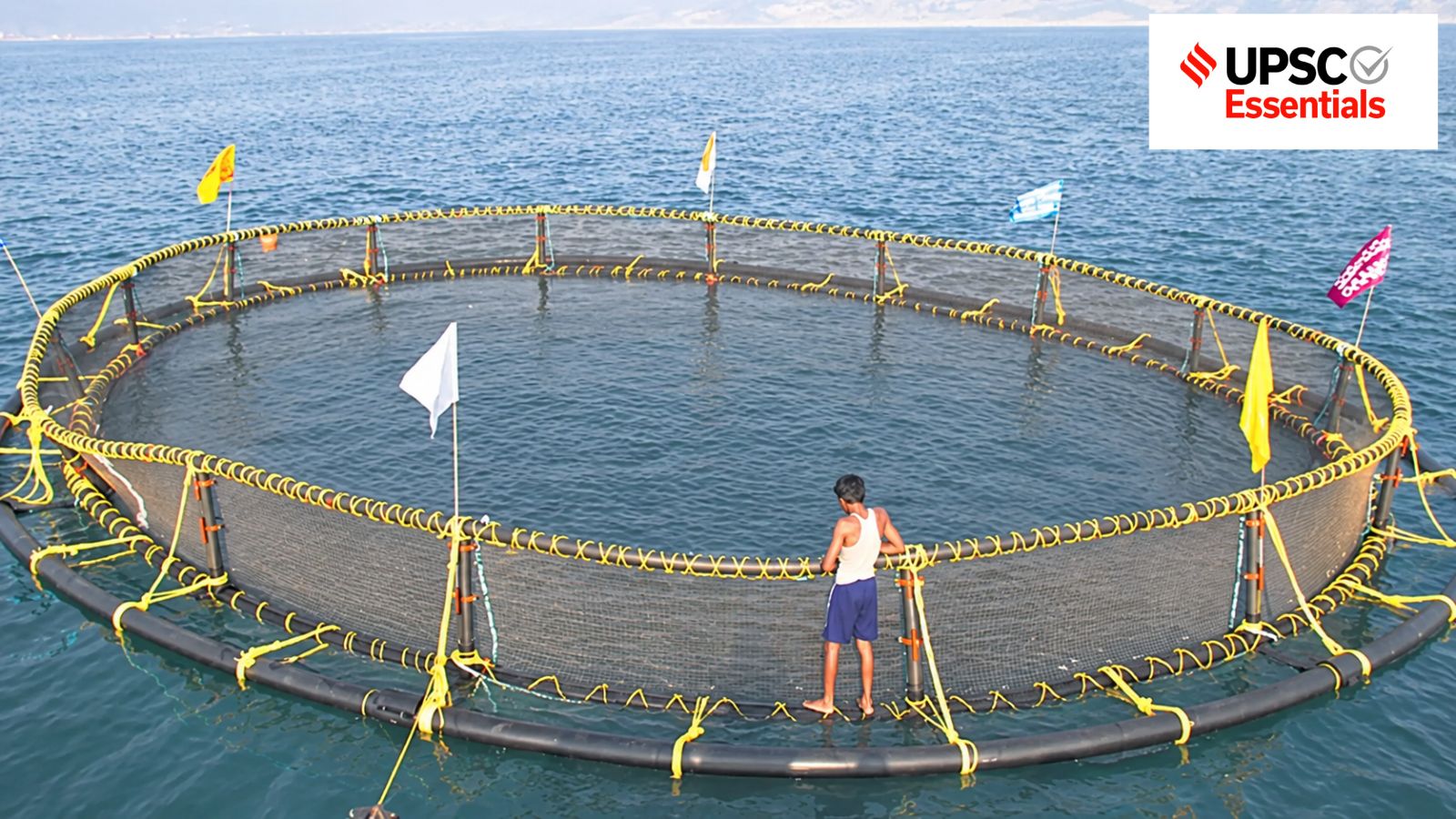
India wants to use the sea for more than ships and ports.
The ocean can also support fishing, tourism, clean energy and scientific research.
Ports and transport links can help businesses move goods more easily.
Fishing and fish farming provide work for millions of people, so coastal families need a fair share of the benefits.
India is also planning offshore wind projects and research into the deep ocean.
Blue bonds can raise money for ocean-related projects, but the money has to be repaid with interest.
A planned bond issue was withdrawn because investors wanted a higher return.
The article says development should also protect marine life, reduce pollution and support coastal communities.

India’s blue economy spans ports, fisheries, tourism, energy, research and other ocean-related industries.
Major ports handled 915.17 million tonnes of cargo in FY 2025–26, up 7.06% year on year.
Sagarmala has taken up 845 projects worth Rs 6.06 lakh crore; 315 were completed by March 24, 2026.
Fisheries support nearly 30 million livelihoods, while seafood export earnings rose about 18.4% in FY 2025–26.
A planned Rs 600-crore Sagarmala Finance Corporation bond issue was withdrawn after investors sought higher interest rates.
- Who
- The Indian government, maritime and fisheries sectors, coastal communities, and investors in blue finance.
- What
- India is expanding its blue economy while seeking to balance economic development, livelihoods and marine conservation.
- Where
- India’s coastline and surrounding waters, including planned offshore wind sites off Gujarat and Tamil Nadu.
- When
- The article discusses figures for FY 2025–26 and initiatives and financing developments through March 24, 2026.
- Why
- To create economic growth, jobs and livelihoods from ocean resources while protecting marine ecosystems.
Economic expansion
Environmental and community safeguards
Ports and maritime infrastructure
Economic expansion
Expanded ports and better links with roads, railways and waterways could improve freight movement, lower transport costs and strengthen business competitiveness.
Environmental and community safeguards
Infrastructure growth can harm marine habitats, including mangroves, unless environmental impacts are assessed and controlled.
Fisheries and seafood exports
Economic expansion
Commercial fisheries and rising seafood exports demonstrate the sector’s potential to generate economic activity.
Environmental and community safeguards
Growth should also raise returns for fishers and workers, limit losses and avoid increasing pressure on fish stocks.
Blue bonds
Economic expansion
Long-term blue bonds could help finance maritime projects and attract investors seeking longer-duration investments.
Environmental and community safeguards
A sustainability label alone does not ensure affordable borrowing or environmental benefits; repayment plans, clear standards and transparent reporting are needed.
Key facts
- India’s coastline
- 11,098 km
- Major-port cargo
- 915.17 million tonnes in FY 2025–26, up 7.06% year on year
- Sagarmala projects
- 845 projects estimated at Rs 6.06 lakh crore
- Sagarmala status
- As of March 24, 2026: 315 completed, 210 under implementation and 320 planned
- Fisheries livelihoods
- Nearly 30 million, including livelihoods in inland fisheries and aquaculture
- Seafood export earnings
- Rose from Rs 62,408 crore in FY 2024–25 to Rs 73,890 crore in FY 2025–26
- Offshore wind scheme
- Rs 7,453 crore for planned capacity of one gigawatt: 500 MW each off Gujarat and Tamil Nadu
- Withdrawn bond issue
- Sagarmala Finance Corporation planned Rs 600 crore in 10-year bonds; bids totaled Rs 525 crore before the issue was withdrawn on September 28
Sources
Related news

India’s Blue Revolution Targets Sustainable Growth Beyond Coastal Waters

India Urged to Link Coastal Ecology, Security and Blue Economy

Mission Samudra Aims to Drive Keralam’s Port-Led Growth
Two Low-Debt SME Stocks Linked to India’s Maritime Push
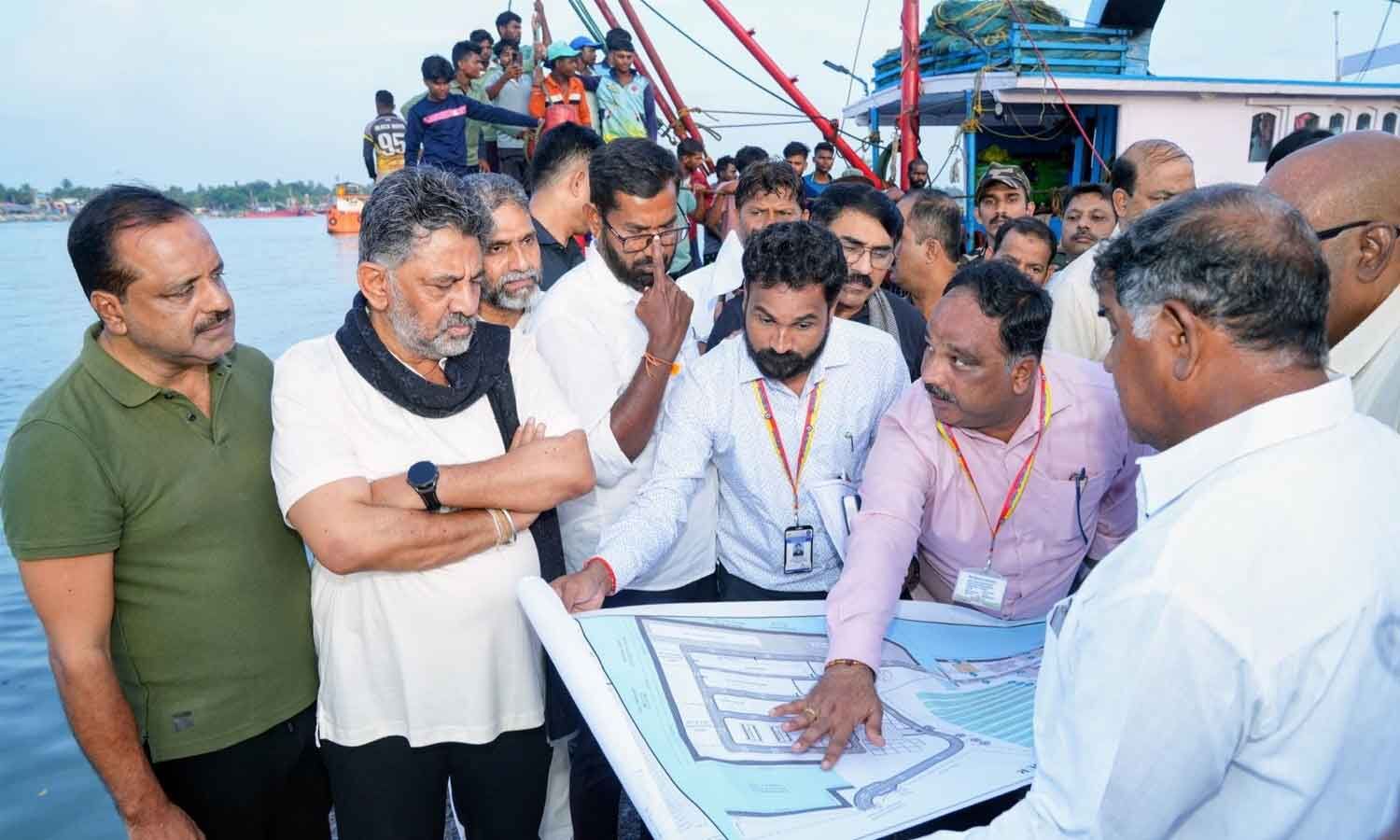
Shivakumar Hears Fishermen’s Demands at Mangaluru Harbour
Sonowal Urges SCI to Lead India’s Maritime and Shipbuilding Push
Bhutan PM Calls Modi Vishnu’s Kalki Avatar
Modi Renews Developed India Pledge Amid Opposition Challenge
India Unveils ‘Rising Together’ Vision for 2036 Olympic Bid
World Leaders Congratulate Modi on 25 Years in Government
Modi Reflects on 25 Years of Public Service and Lessons