2 hrs ago
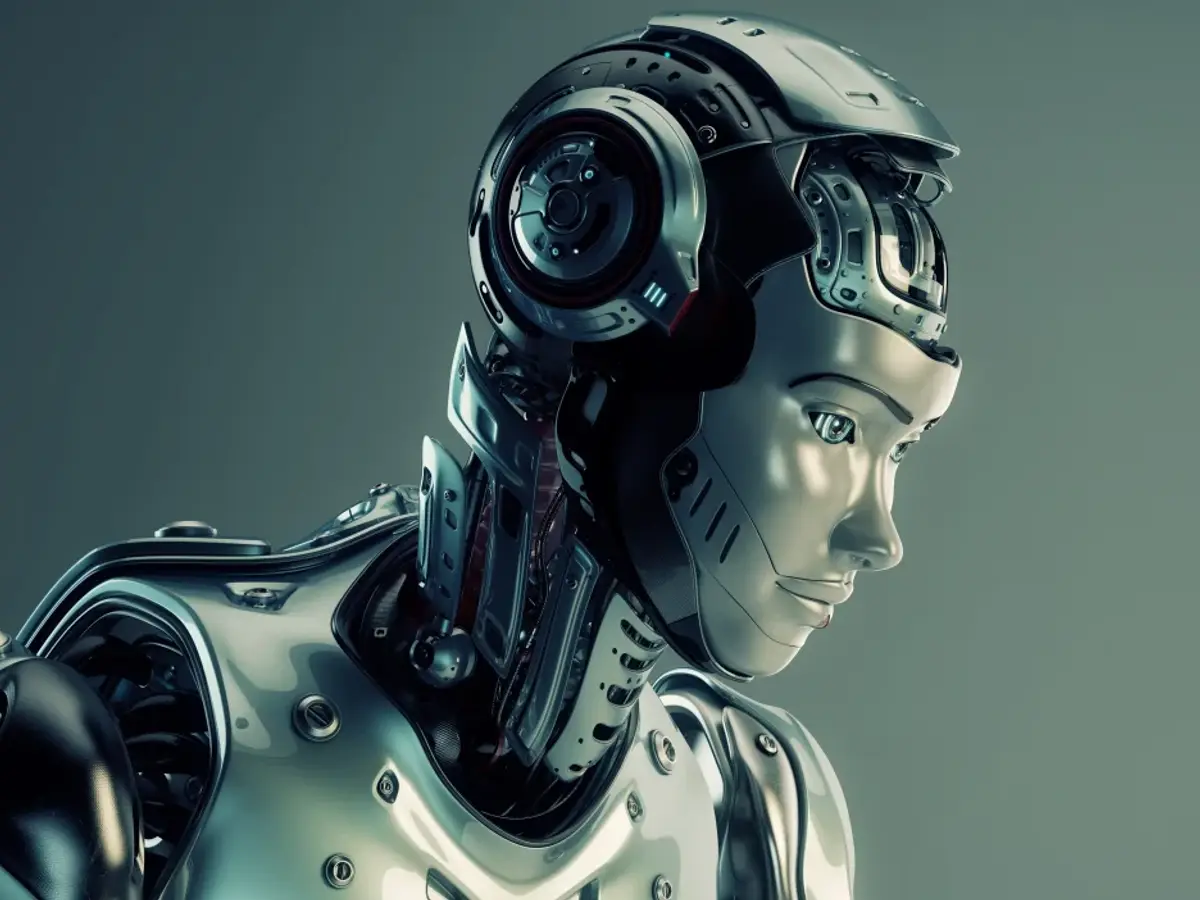
AI’s Promise Depends on Human Judgment and Responsibility

Artificial intelligence can perform many tasks quickly, such as finding patterns and creating text or software.
It can help people make better decisions, but it can also repeat unfair ideas found in its training data.
AI does not understand wisdom or morality in the same way people do.
People may also become too dependent on AI and stop checking its answers.
The best approach is for humans and machines to work together.
AI can suggest ideas and analyze information, while people check the evidence and make responsible choices.
Schools should teach students how AI works and when it might be wrong.
Whether AI makes people wiser will depend on how responsibly they use it.

AI can enhance capabilities in healthcare, software, music, analysis, and other fields.
Algorithms may reproduce or amplify bias when trained on flawed or unrepresentative data.
Overreliance on generative AI could reduce independent thinking and encourage intellectual complacency.
The article advocates using AI to augment human judgment rather than replace it.
AI education should include verification, bias detection, privacy awareness, and ethical reasoning.
- Who
- Humanity, AI developers and users, educators, professionals, and organizations.
- What
- An analysis of whether artificial intelligence can improve human judgment and behavior or merely increase efficiency.
- Where
- When
- Why
- To examine the ethical, cognitive, and educational consequences of deploying AI and argue for responsible human oversight.
Key facts
- Core capability
- AI can interpret medical images, generate software, synthesize information, compose music, and analyze large datasets.
- Main risk
- Algorithms can reproduce and magnify historical prejudice, systemic inequity, or inadequate representation in their data.
- Cognitive concern
- Excessive reliance on generative AI may lead people to outsource intellectual effort and verify answers less often.
- Recommended model
- The article supports AI augmentation, with machines assisting humans rather than replacing accountable human judgment.
- Human strengths
- Humans remain important for empathy, contextual interpretation, moral reasoning, creativity, and value-based judgment.
- Education priorities
- AI literacy should include data literacy, probabilistic reasoning, model limitations, bias detection, verification, privacy, and ethical judgment.
Sources
Related news
AI May Change Human Work More Than Replace It
Editorial Warns AI Convenience Could Erode Human Reasoning
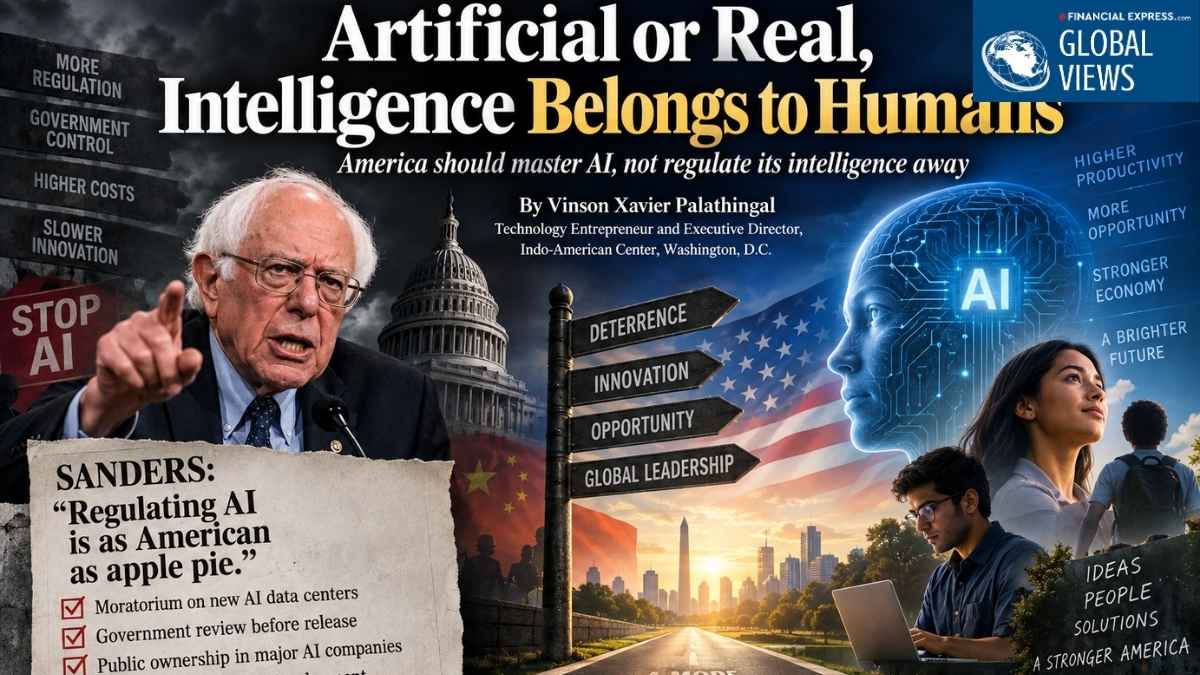
Entrepreneur Urges Human Responsibility Over Heavy-Handed AI Regulation

India's Universities Prepare Students for an AI-Enabled Future

Engineers’ Roles Shift as AI Elevates Human Judgement

Karnataka Unveils Sustainable Data Centre Policy for Greener Growth

Sustainable Communities Emerge as Real Estate’s Future in Dubai

Pritzker Urges Federal AI Regulation Amid Slowdown Debate
AI’s Catastrophic Risks Remain Uncertain, MIT Researchers Warn