9 hrs ago
China's Export Growth Faces Rising US and European Trade Barriers
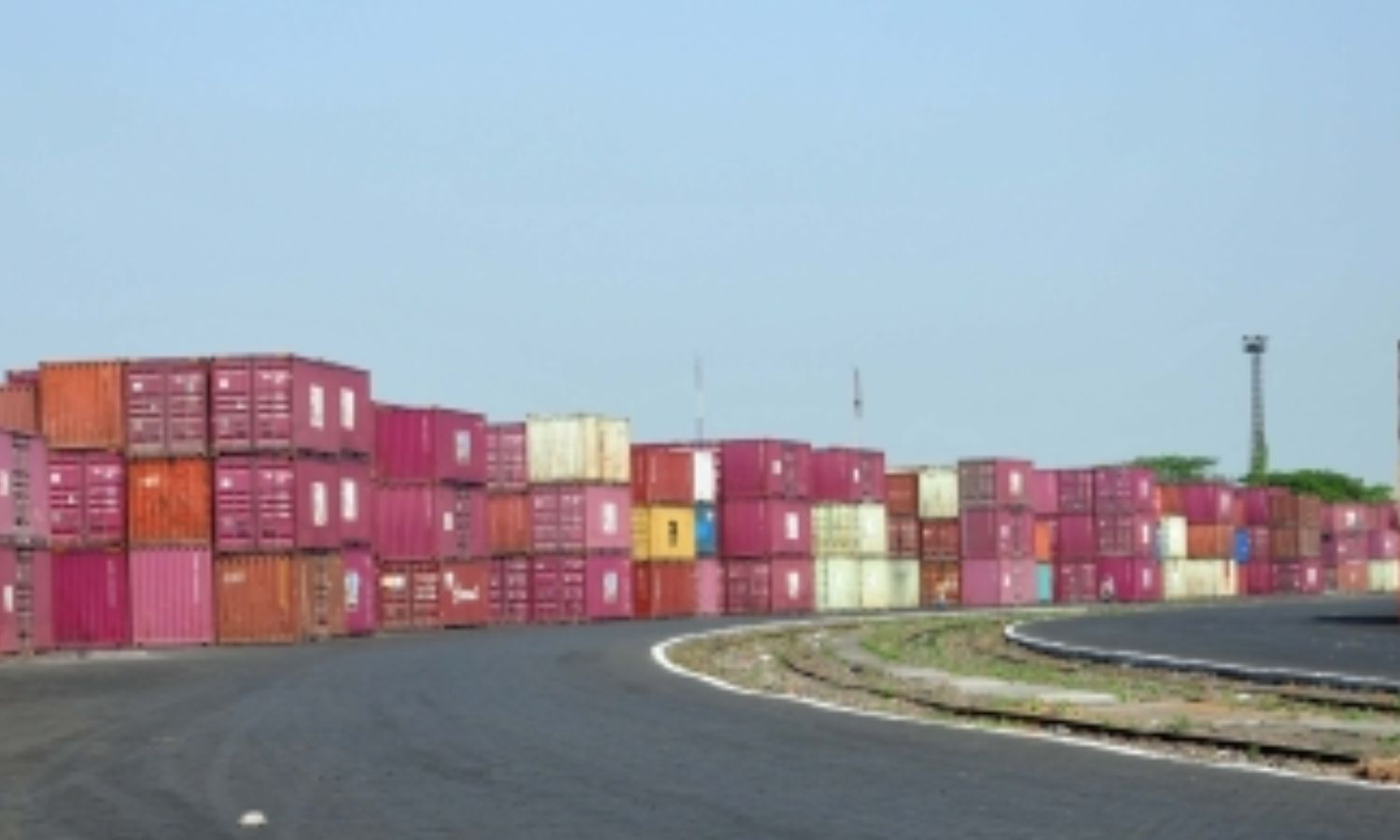
China sells a very large amount of goods to other countries.
An article says this is happening partly because people and businesses inside China are buying less.
China’s property market, retail sector, and jobs market have also been struggling, according to the article.
China’s goods include subsidized high-tech products that can be sold cheaply.
The United States and Europe say such imports can hurt their factories and workers, so they are using tariffs and other protections.
The United States increased a duty on Chinese goods in July 2026.
Europe also reduced the amount of steel it allows to enter without extra charges.
China has responded by selling more goods to places such as Africa and Southeast Asia.

An article says China’s export-led growth is facing resistance from the United States and Europe.
China recorded an estimated $1.19 trillion merchandise trade surplus in 2025, with exports up 5.5% and imports nearly stagnant.
The article links China’s export push to weak domestic consumption, a real estate crisis, and high youth unemployment.
Chinese exports to the United States fell about 20% in 2025, while shipments to Africa, Southeast Asia, and the European Union increased.
The United States raised its duty on Chinese goods to 12.5% in July 2026, while the European Union tightened steel import restrictions.
- Who
- China, the United States, the European Union, and other trading partners.
- What
- China’s export-driven growth is facing tariffs and protective measures as its domestic economy shows weakness.
- Where
- The developments involve China, the United States, the European Union, Africa, and Southeast Asia.
- When
- The article discusses developments in 2025 and measures introduced in 2026, including changes in July 2026.
- Why
- The United States and Europe are responding to concerns that cheap Chinese imports are harming industrial growth and employment, while China is relying more heavily on exports amid weak domestic demand.
China's Export Strategy
US and European Protection
How to support economic growth
China's Export Strategy
The article says China is increasing exports, including subsidized high-tech goods, to cushion weakness in its domestic economy.
US and European Protection
The United States and Europe are using tariffs and import restrictions to protect their industries and employment from cheap Chinese goods.
Effect of trade barriers
China's Export Strategy
China has diversified its exports, with stronger shipments to Africa, Southeast Asia, and the European Union offsetting weaker exports to the United States.
US and European Protection
The United States and Europe are tightening trade measures, arguing that rising imports threaten industrial growth and jobs.
Trade diversion
China's Export Strategy
The article says China’s overall surplus has remained strong even as exports to the United States declined, partly because trade has shifted toward other markets and possibly through third countries.
US and European Protection
The United States has imposed higher duties, and the European Union has sharply reduced steel quotas and imposed a 50% tariff above the quota.
Key facts
- China's 2025 trade surplus
- Approximately $1.19 trillion in merchandise trade.
- China's export growth
- Exports increased by 5.5% in 2025.
- United States-China trade
- Chinese exports to the United States declined by approximately 20% in 2025.
- Alternative export markets
- Shipments to Africa rose 26%, Southeast Asia 13%, and the European Union 8% in 2025.
- United States tariff
- A new 12.5% duty on Chinese goods took effect at the end of July 2026 after a previous 10% rate expired.
- European steel quota
- The European Union reduced its duty-free steel import quota by 47% to 18.3 million tons.
- European steel tariff
- A 50% external tariff applies to steel imports exceeding the European Union quota.
Quotes
Konrad Wolfenstein’s article
Author of the article published by Xpert website
“While China’s massive export machine is running at full throttle, generating historic trade surpluses exceeding the trillion-dollar mark, its domestic market is on the verge of collapse. An unresolved real estate crisis, sharply weakening consumer spending, and alarming youth unemployment are revealing the deep cracks in the People's Republic's economic model.”
 thehansindia.com
“The crucial question is how long this model can be sustained before either trading partners pull the plug or the domestic market erodes so severely that it threatens political stability,”
thehansindia.com
Sources
Related news

China's Record Trade Surplus Risks Global Economic Crisis, Analysis Warns

Chinese Workers Find Brussels Ally as EU-China Trade Tensions Rise
Cheap Chinese Imports Test India’s Make in India Strategy

US Names India in $67 Billion Transshipment Scam Report
Bessent Urges G20 to Consider More Trade Barriers on China
Bessent Presses G20 on China Trade and Iran Sanctions

Vizag Cybercrime Falls 60%, But Financial Fraud Remains High

Sandhya Devanathan joins OpenAI to lead regional growth

Indonesian Fires Trigger Regional Haze Alerts, School Closures

RSS Chief Mohan Bhagwat Describes Bharat as Vishwaguru, Not Mahashakti