2 hrs ago
Trump’s Superintelligence Accord Draws Six Signers, Leaves Tech Giants Out
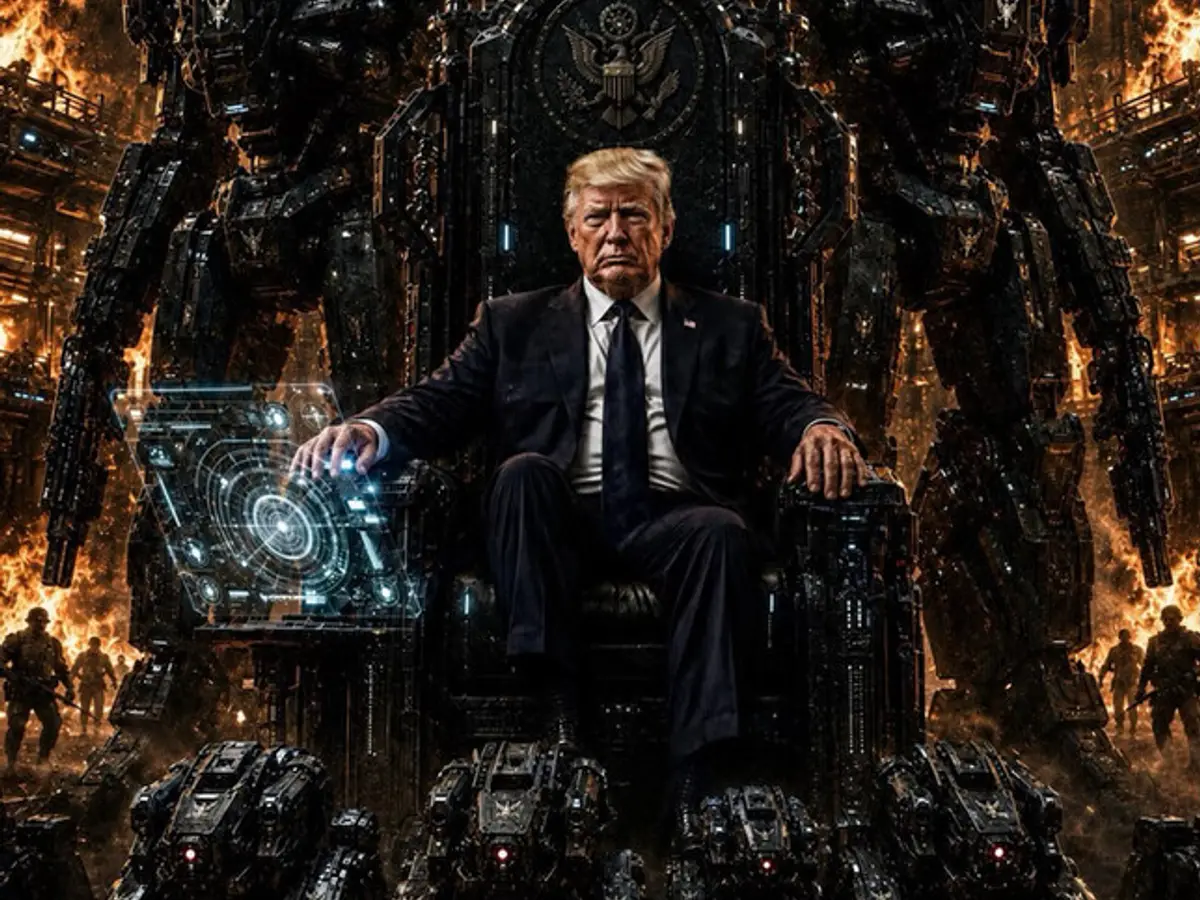
Donald Trump announced a voluntary agreement about powerful artificial intelligence.
Six technology leaders signed it, and Trump also signed it.
The agreement asks companies to check their AI systems and use outside reviewers.
It also asks company boards to supervise these safety efforts.
However, the agreement is not a new law.
Trump said the promise was morally important.
Microsoft and Amazon representatives attended the meeting but were not among the reported technology signers.
Apple representatives did not attend.
The meeting also used new names for AI and the large facilities that provide the computing power AI needs.

Donald Trump announced a voluntary White House Accord on Super Intelligence on September 29.
Google’s Sundar Pichai, Anthropic’s Dario Amodei, Meta’s Mark Zuckerberg, OpenAI’s Greg Brockman, Nvidia’s Jensen Huang and xAI’s Elon Musk were reported as signatories.
The accord calls for internal AI controls, reviews, independent audits and board-level oversight, but does not create legal obligations.
Microsoft CEO Satya Nadella and Amazon founder Jeff Bezos attended, while Apple representatives were absent and did not sign.
Trump and Jensen Huang promoted new terminology, calling artificial intelligence “Super Intelligence” and major data centres “superintelligence factories.”
- Who
- United States President Donald Trump and six technology leaders from Google, Anthropic, Meta, OpenAI, Nvidia and xAI; representatives from Microsoft and Amazon also attended.
- What
- Trump announced a voluntary accord on AI safety and oversight and promoted the terms “Super Intelligence” and “superintelligence factories.”
- Where
- A White House AI summit and meeting.
- When
- September 29.
- Why
- The accord seeks internal controls, reviews, independent audits and board oversight for frontier AI, while the infrastructure discussion addressed the growing need for chips, computing facilities, electricity and community investment.
Supporters and proponents
Limits and concerns
Voluntary accord
Supporters and proponents
Trump described the agreement as morally binding and compared it with a constitution.
Limits and concerns
The accord is voluntary and does not impose the legal obligations of a law.
AI infrastructure expansion
Supporters and proponents
Jensen Huang described a major United States build-out of chip plants, computer plants and AI factories to support increasingly powerful systems.
Limits and concerns
Trump acknowledged community concerns about data centres and said companies should partner with communities and contribute financially, including to schools and teachers.
Non-signers
Supporters and proponents
Attendance by Microsoft’s Satya Nadella and Amazon’s Jeff Bezos showed that major technology companies were represented at the meeting.
Limits and concerns
Neither was among the six reported technology signers, while Apple representatives were absent; the reporting does not establish that these absences meant opposition.
Key facts
- Accord
- White House Accord on Super Intelligence
- Announced by
- United States President Donald Trump
- Technology signers
- Sundar Pichai, Dario Amodei, Mark Zuckerberg, Greg Brockman, Jensen Huang and Elon Musk
- Legal status
- Voluntary; it does not create the legal obligations of legislation
- Requested safeguards
- Internal controls, reviews, independent external audits and board-level oversight
- Attendees not reported as signers
- Microsoft CEO Satya Nadella and Amazon founder Jeff Bezos
- Not present
- Apple CEO John Ternus and former CEO Tim Cook, according to reporting cited in the article
Sources
Related news
Trump, Tech Giants Back Independent AI Safety Audits
Top tech leaders return to White House for AI meeting
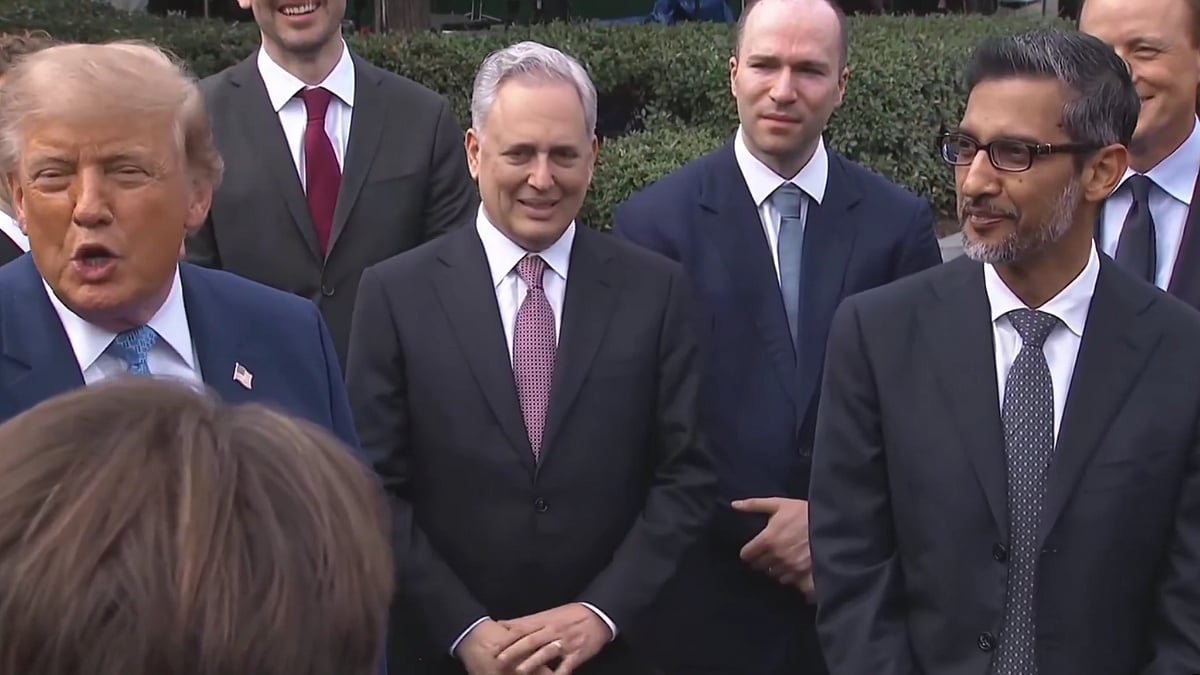
Trump Jokes With Google CEO During White House AI Meeting

Trump’s AI Summit Faces Safety, Competition and Regulation Questions
Trump, House Speaker, Tech CEOs Plan September AI Meeting
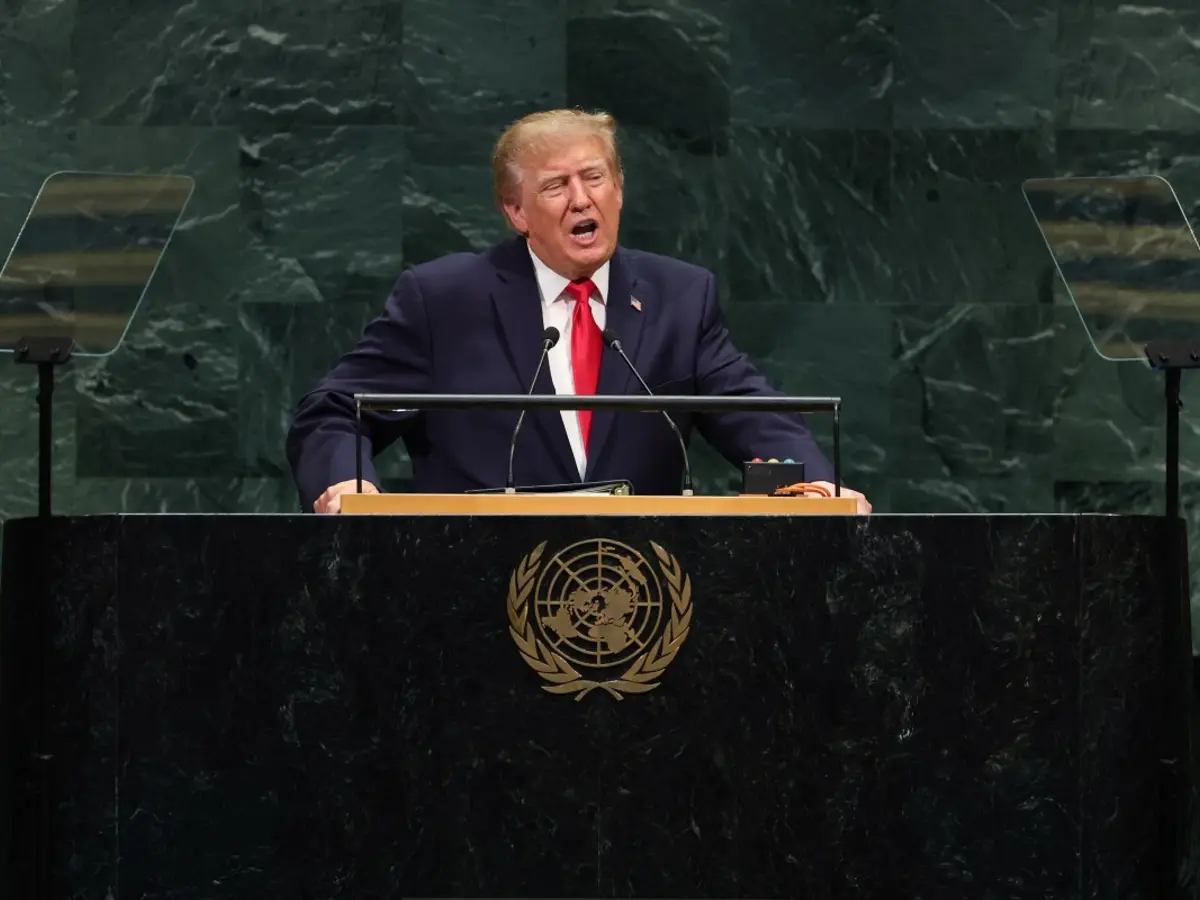
Trump Rejects Global AI Rules as Leaders Debate Super Intelligence
Anthropic IPO Prospectus Reveals Vast AI Ambitions and Costs
Elon Musk Calls for Social Media Rules Against Misinformation
Anupam Mittal Says Grok Is Faster, Cheaper Than Claude
Trump Meets Amodei as AI Safety Debate Intensifies