2 days ago
Three Ways to Make Every Walking Step Work Harder

Walking can become more challenging in a few simple ways.
If you currently walk fewer steps, add more slowly instead of doing many extra steps at once.
Give your body time to get used to the increased activity.
Then you can try walking up hills or using stairs.
You can also walk faster for short periods.
Some people may safely add squats or walking lunges.
These exercises should only be used if they can be performed safely.
The main idea is to gradually make your body do a little more over time.

Increase your daily step total gradually instead of making a sudden jump.
After your body adapts, add hills or stairs to make walking more challenging.
Short bursts of faster walking can increase the difficulty of your routine.
Some people can safely add bodyweight movements such as squats or walking lunges.
Progressive overload means gradually asking your body to do slightly more over time.
- Who
- People who walk and want to make their routine more challenging.
- What
- A gradual approach to increasing walking difficulty through more steps, hills, stairs, faster walking, or safe bodyweight movements.
- Where
- When
- After the body adapts to a gradually increased number of steps.
- Why
- To apply progressive overload by gradually asking the body to do slightly more over time.
Key facts
- Main principle
- Progressive overload: gradually doing slightly more over time.
- Step increase
- Daily steps should be increased gradually.
- Terrain options
- Hills and stairs can make walking more challenging.
- Pace option
- Short bursts of faster walking can increase difficulty.
- Bodyweight options
- Some people may safely add squats or walking lunges.
- Safety
- Bodyweight movements should be included only when they can be performed safely.
Sources
Related news
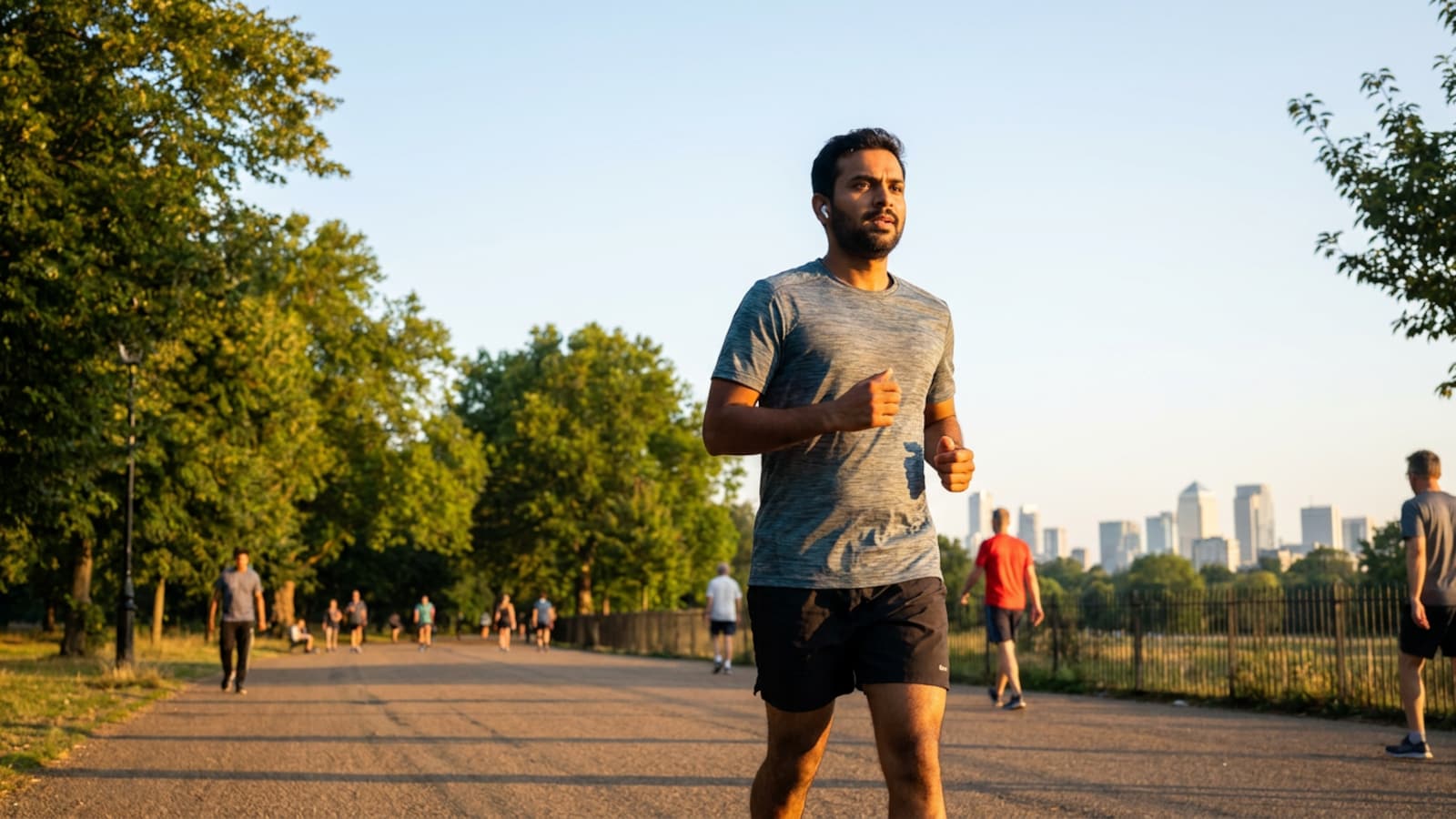
Seven Walking Mistakes That Can Prevent Weight Loss
Seven Walking Habits That Can Undermine Weight-Loss Progress

Walking 20 Minutes Can Reduce Anxiety and Reset Your Brain

Jimmy Shergill Shares Walking Routine for Heart Health
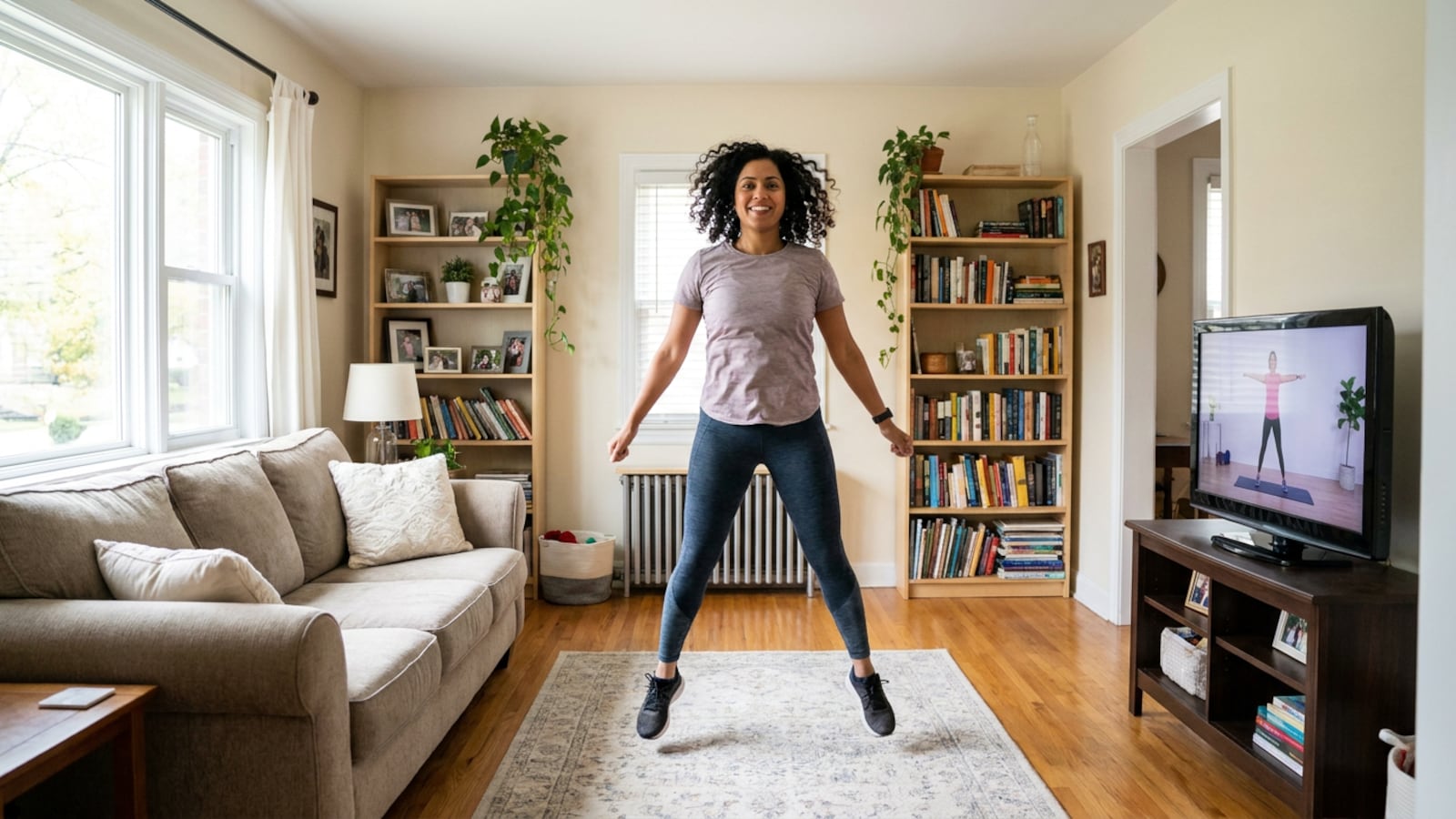
6 Low-Impact Morning Exercises to Beat Sluggishness and Boost Focus