

2 weeks ago
Goldman economist: AI unlikely to cause widespread India job losses
A smart economist at a big bank says artificial intelligence, or AI, is not expected to take away many jobs in India.
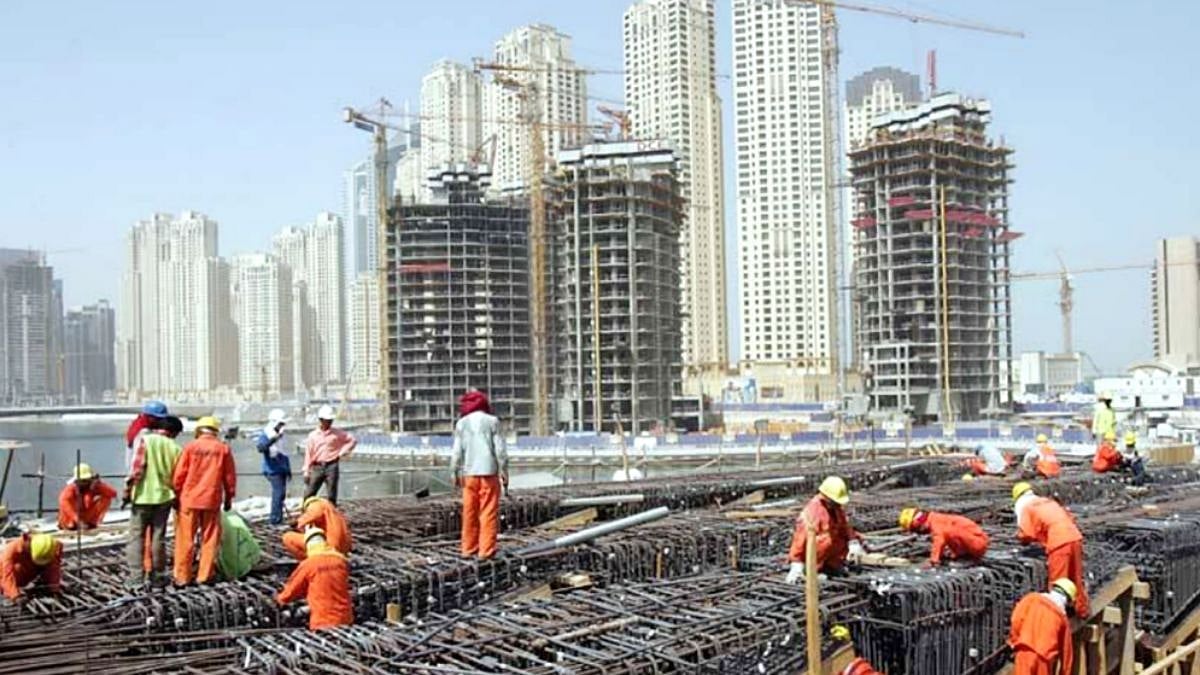
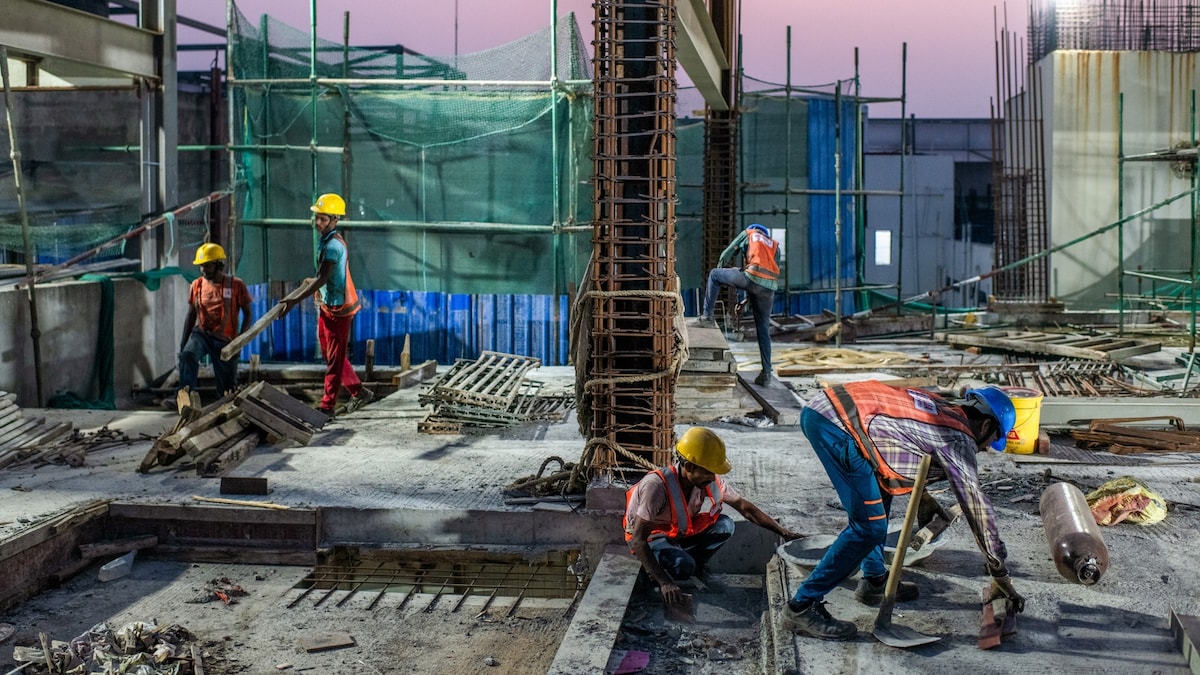
That is because many Indian workers do physical jobs, like building things or working in shops.
Those kinds of jobs are not being done by AI right now.
However, some office jobs, like answering phone calls for companies, could change.
Jobs in finance, health care, education and business services could actually get help from AI.
If India brings in AI slowly and carefully, the country could make more things with the same amount of work.
That could add a little extra output over the next ten years.
India's economy is doing very well and surprised the economist's company.
Prices have gone up only a little, and India's central bank might make borrowing cost more starting in December, but any increase would be small.

Goldman Sachs Chief India economist Santanu Sengupta said Friday that AI is unlikely to cause widespread job losses in India.
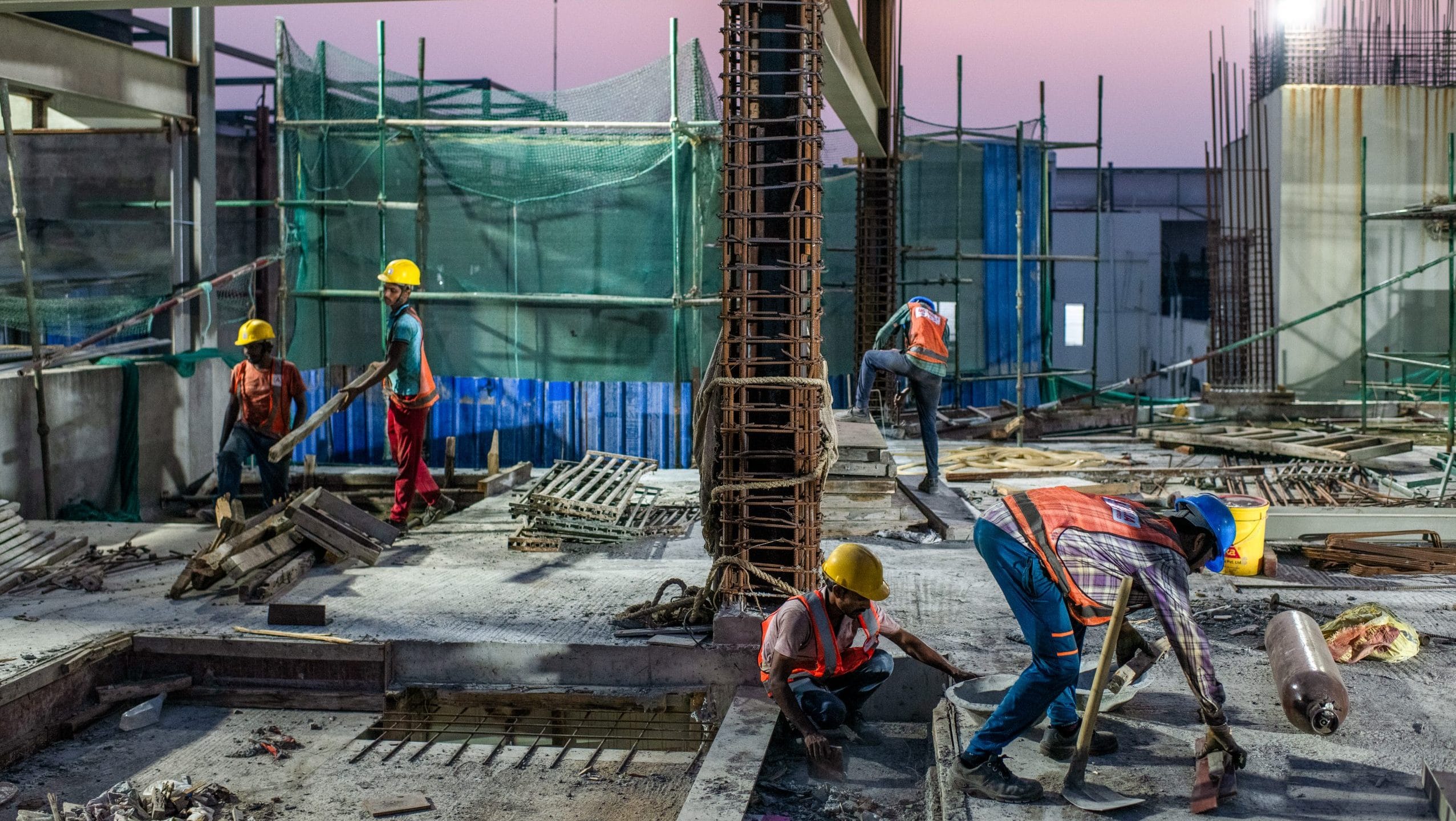
Construction and retail trade account for about 40% of India's workforce and are not currently being impacted by AI.
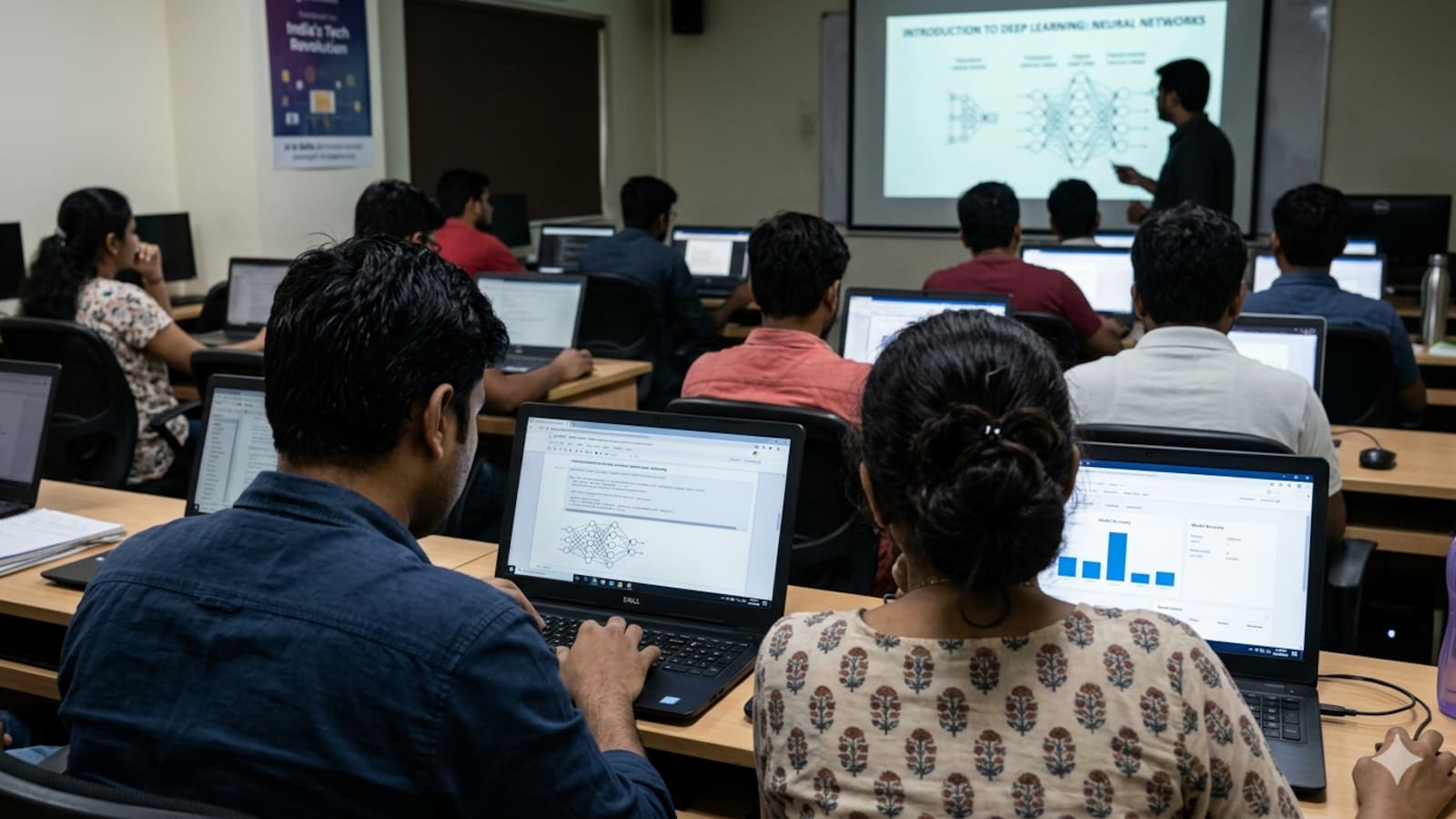
Substitution risks are mainly in postal, telecommunication and IT services, particularly call-centre jobs, while finance, health care, education and business services could benefit.
Correctly sequenced AI adoption could add 0.4 percentage points to overall productivity over a 10-year horizon, with productivity gains outweighing job losses over five years.
Sengupta expects a shallow RBI rate-hiking cycle that could begin from December, depending on the pace of core inflation.
- Who
- Santanu Sengupta, Chief India economist at Goldman Sachs Group, speaking in an interview with Bloomberg Television's Menaka Doshi.
- What
- Stated that AI is unlikely to cause widespread job losses in India, with limited services-sector substitution risks and potential productivity gains from gradual adoption.
- Where
- India, discussed in an interview on Bloomberg Television.
- When
- Friday.
- Why
- Because a large share of India's workforce is engaged in mechanical or physical tasks, such as construction and retail trade, that are not currently impacted by AI.
Key facts
- Economist
- Santanu Sengupta
- Firm
- Goldman Sachs Group
- Workforce share in construction and retail
- About 40%
- Productivity gain estimate
- +0.4 percentage points over 10 years
- Sectors at substitution risk
- Postal, telecommunication and IT services (call centres)
- Sectors expected to benefit
- Finance, health care, education, business services
- RBI rate outlook
- Possible shallow hiking cycle starting December, depending on core inflation
- Economy context
- One of the fastest-growing major economies, resilient despite the Middle East shock
Quotes
Santanu Sengupta
Chief India economist at Goldman Sachs Group
“India’s labor force is unlikely to face widespread job losses from artificial intelligence, though some positions in the services sector could be affected”
 theprint.in
“The main reason is because our workforce is pretty large, and a lot of them are in more mechanical or physical kind of tasks.”
 CNBC TV 18
Sources
Related news

Goldman Sachs Sees India Escaping Worst AI Job Losses

Goldman Sachs Warns AI May Reshape Jobs, Especially Entry-Level Work
India AI Hiring Outpaces Layoffs, Nomura Report Shows

AI Reshapes Hiring As Global Giants Cut Jobs

Roubini Predicts 10% Growth by 2050, AI Job Displacement

Larry Summers's Power Delayed Reckoning Over Epstein Ties
