8 hrs ago
RBI Borrows China-Style Reserve to Defend Rupee
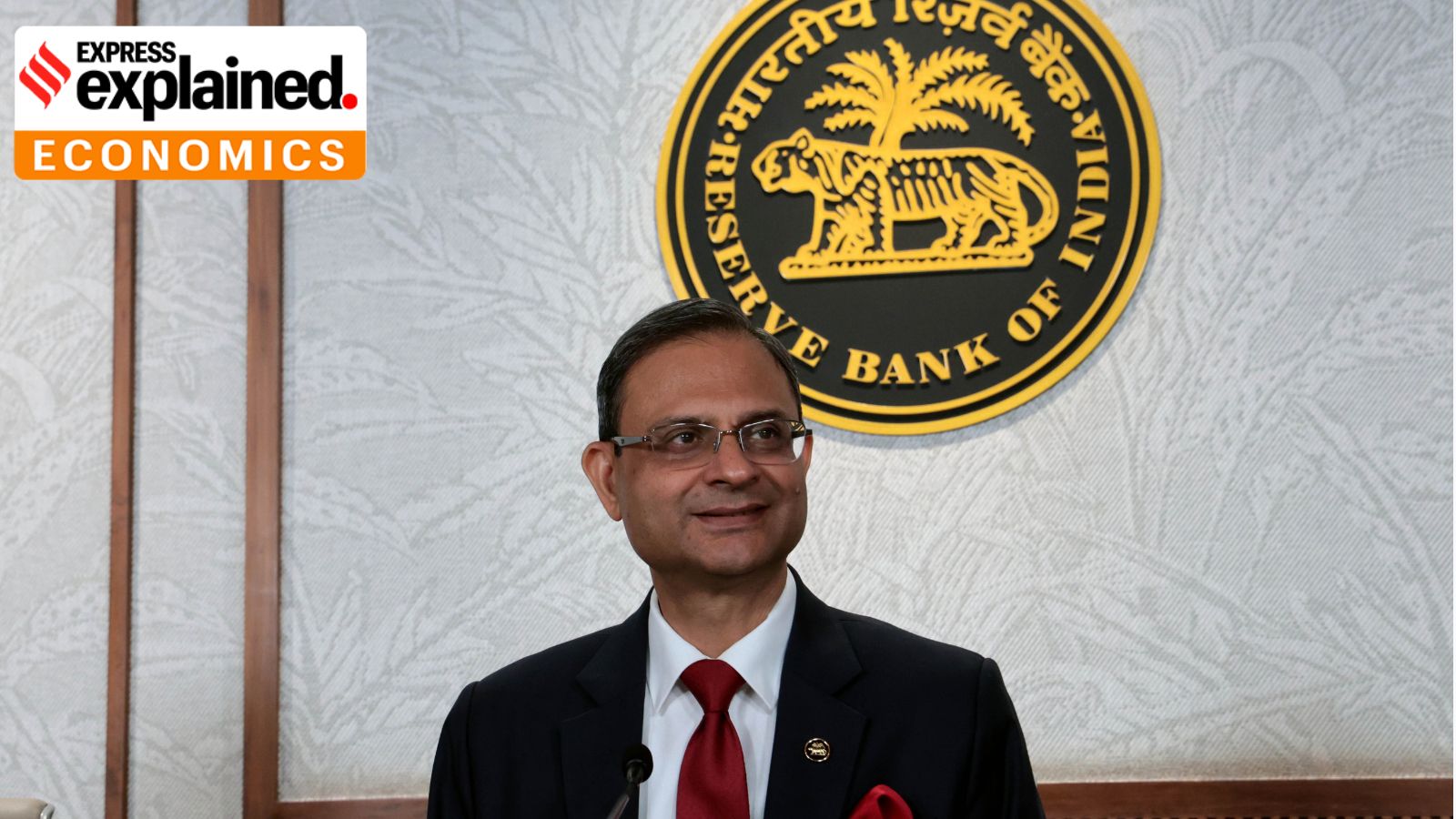
The rupee has been losing value against the US dollar.
That can make imported goods cost more for Indian buyers.
The Reserve Bank of India has introduced rules to reduce some demand for dollars and pressure on the rupee.
One rule makes certain currency contracts more expensive by requiring banks to keep cash with the RBI.
The bank has also tightened rules on how some currency contracts and hedges can be used.
China has used a similar reserve rule, but it removed its rule when its currency was strengthening.
The RBI is using the measure while the rupee is under pressure.
Experts say the rules may help for a while, but oil prices and foreign investors also matter.

The RBI announced measures Saturday as the rupee approached its record low despite a 25-basis-point rate hike on October 7.
A new Foreign Exchange Risk Reserve requires banks to hold 20% in cash with the RBI for certain rupee-linked forex derivative contracts over $2 million.
The measure makes some currency hedging costlier; the article says local banks and traders, rather than foreign institutions, are the main targets.
Other steps restrict rebooking cancelled rupee derivative contracts, duplicate hedging, and the use of assets over $5 million without proof of their existence.
Experts say the steps may offer only temporary breathing room, with the outcome also depending on crude prices and foreign investor behavior.
- Who
- The Reserve Bank of India, banks, and traders in rupee-linked foreign exchange markets.
- What
- The RBI announced measures to curb pressure on the rupee, including a new cash reserve requirement for certain forex derivative contracts.
- Where
- India.
- When
- Saturday; the article also refers to a 25-basis-point rate hike on October 7.
- Why
- The rupee had moved close to its record low, and the RBI said the measures aim to limit speculative and structural demand for dollars.
Case for limiting currency hedging
Case for hedging currency risk
Whether to make hedging costlier
Case for limiting currency hedging
The RBI's measures aim to curb speculative and structural demand for dollars, which the article says can add downward pressure on the rupee.
Case for hedging currency risk
Importers use hedging to protect themselves from having to pay more rupees if the rupee weakens; the article describes hedging as good practice.
How effective the measures may be
Case for limiting currency hedging
The RBI has added a reserve requirement and tighter rules on derivatives to defend the rupee.
Case for hedging currency risk
Experts say the measures may provide only temporary breathing room, while crude prices and foreign investor behavior remain important.
Key facts
- New reserve
- Under the Foreign Exchange Risk Reserve, banks must set aside 20% of certain rupee-linked forex derivative contracts in cash with the RBI.
- Contract threshold
- The reserve applies to contracts over $2 million; the RBI can change the percentage.
- Rupee movement
- The article says the rupee was down almost 7% so far in 2026.
- Reported low
- The rupee fell to a record 96.96 per dollar in May.
- Policy rate
- The RBI raised the repo rate by 25 basis points to 5.5% on October 7.
- Hedging asset threshold
- The article says proof is now required for assets over $5 million used as the basis for derivatives hedging, compared with a previous $100 million threshold.
- Potential impact
- Experts quoted in the article say the measures may provide some breathing room; crude oil prices and foreign investor behavior will also matter.
Quotes
An unnamed banker
A banker commenting on the RBI's measures and their focus on local banks and traders.
“The RBI has sometimes been accused of changing the rules of the game with its regulatory measures. But it has to change the rules when it is losing. It is the house!”
 indianexpress.com
Sources
Related news
RBI Tightens Forex Derivative Rules, Adds New Reserve Requirements

RBI Opens Dollar Window for Oil Firms, Tightens Forex Rules

Rupee Near Record Low as RBI Defences Face Pressure

India’s Forex Reserves Suffer Record Drop as RBI Supports Rupee

India Forex Reserves Fall $13 Billion for Fourth Straight Week

Why India’s Forex Reserves Fell Despite Record FCNR(B) Inflows

UPI Apps Won’t Charge Consumers as Merchant MDR Begins

RBI Schedules ₹25,000 Crore Bond Sale for October 13
RBI Raises Daily CRR Maintenance Requirement to 99%