5 days ago
Western Ghats Project Faces Challenge Over Forest and Wildlife Risks
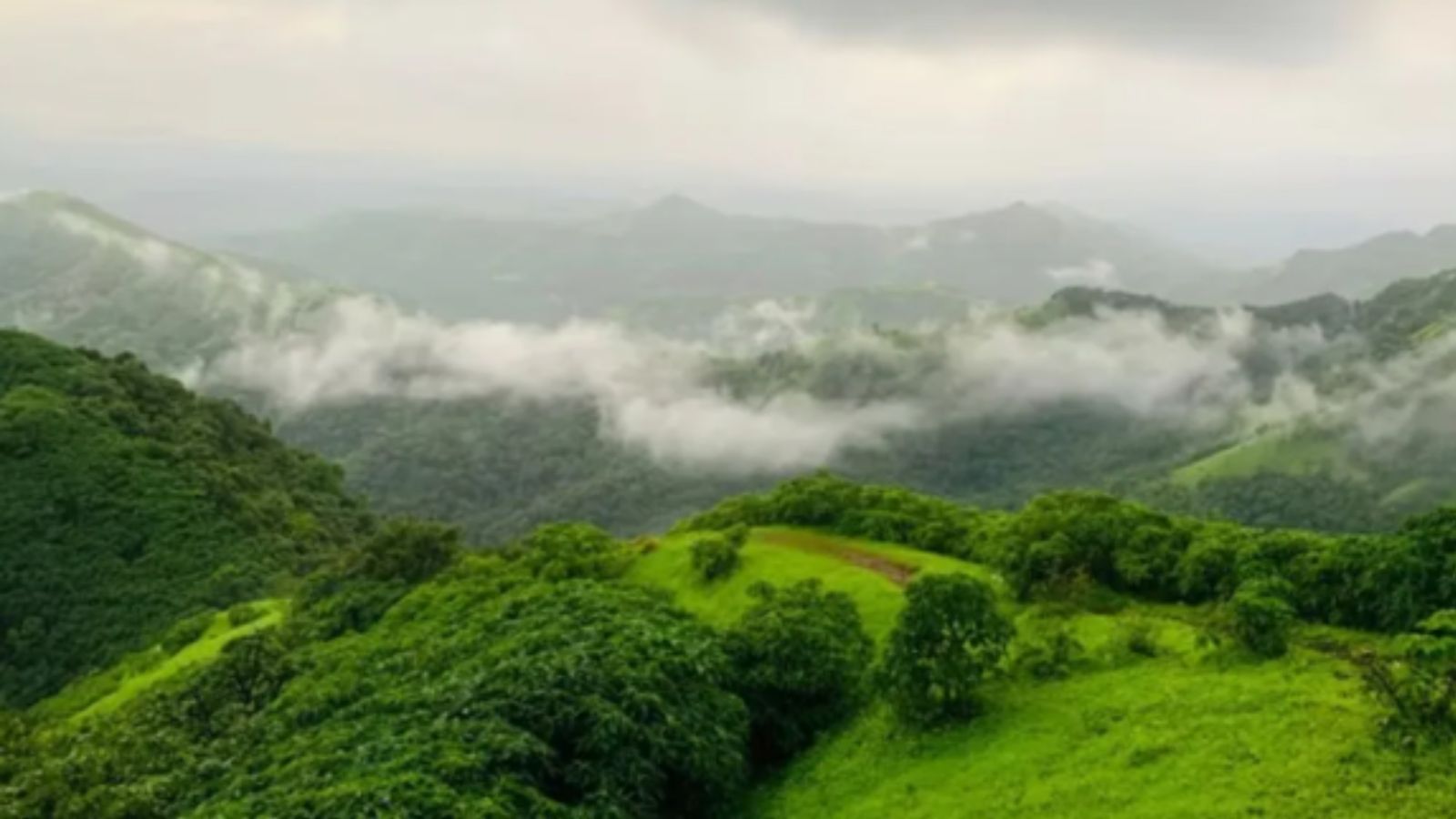
The Western Ghats are a long mountain range with very important forests.
They provide homes for many plants and animals and help supply water to large parts of India.
Their forests also help manage rain, soil, flooding, and carbon.
A large electricity project is planned near the Katlekan forest in Karnataka.
It would move water between two reservoirs through tunnels to produce power when demand is high.
A court has temporarily stopped work on the project.
Experts worry that construction could destroy forest, harm animal pathways, and increase landslide risks.
They also say the project may use more electricity for pumping than it adds to the grid.
The article argues that India should protect these forests while finding less damaging ways to store renewable energy.

The Western Ghats support major biodiversity, monsoon patterns, rivers, carbon storage, and regional climate regulation.
The proposed ₹10,000-crore, 2,000 MW Sharavathi Pumped Storage Project is under an interim Karnataka High Court stay.
The project would connect the Talakalale and Gerusoppa reservoirs through underground tunnels and powerhouses.
An expert committee opposed approval, citing irreversible ecological harm and an estimated net energy loss of about 500 MW.
Critics say energy-storage needs should be addressed without clearing primary forest inside the protected sanctuary.
- Who
- Writer Aseem Shrivastava, conservation experts, the Karnataka High Court, and authorities considering the Sharavathi Pumped Storage Project.
- What
- A proposed 2,000 MW pumped-storage project is facing opposition because of its potential effects on protected Western Ghats forest and wildlife.
- Where
- The project is planned in Karnataka’s Shimoga and Uttara Kannada districts, within the Sharavathi Valley Lion-Tailed Macaque Wildlife Sanctuary near Katlekan.
- When
- The project remains under an interim stay, with work frozen until further orders.
- Why
- The project is intended to generate electricity during peak demand, while opponents argue that its ecological damage and claimed net energy loss make it unjustifiable.
Conservation concerns
Energy-development rationale
Whether the project should proceed
Conservation concerns
Opponents argue that construction inside a highly protected wildlife sanctuary would cause irreversible ecological harm and fragment wildlife corridors.
Energy-development rationale
The project is intended to store and generate electricity by pumping water uphill during off-peak hours and releasing it during peak demand.
Energy benefit
Conservation concerns
The expert committee questioned the project’s technical justification and said it would produce no new net energy, with an estimated net loss of about 500 MW.
Energy-development rationale
The project’s stated purpose is to help manage electricity demand and renewable-energy intermittency through pumped storage.
How to meet storage needs
Conservation concerns
Critics support less destructive options, including battery, compressed-air, and gravity energy storage, rather than clearing primary forest.
Energy-development rationale
The article notes that Karnataka needs diversified energy-storage solutions as it manages its renewable-energy capacity, including pumped storage.
Key facts
- Project cost
- ₹10,000 crore
- Planned capacity
- 2,000 MW
- Project location
- Shimoga and Uttara Kannada districts, Karnataka
- Protected area
- Sharavathi Valley Lion-Tailed Macaque Wildlife Sanctuary
- Court status
- Under an interim stay by the Karnataka High Court
- Forest clearing
- More than 50 hectares of dense primary evergreen forest
- Committee assessment
- An expert committee estimated an approximately 500 MW net loss due to pumping requirements
Sources
Related news

Environmentalists oppose 2,500-MW Varahi project in Western Ghats

Nar–Par–Girna River Link Project Gets Preliminary Environmental Clearance

India’s Sacred Groves Preserve Nature Through Ancient Community Rules
Karnataka Rejects Western Ghats Eco-Sensitive Draft, Shivakumar Says