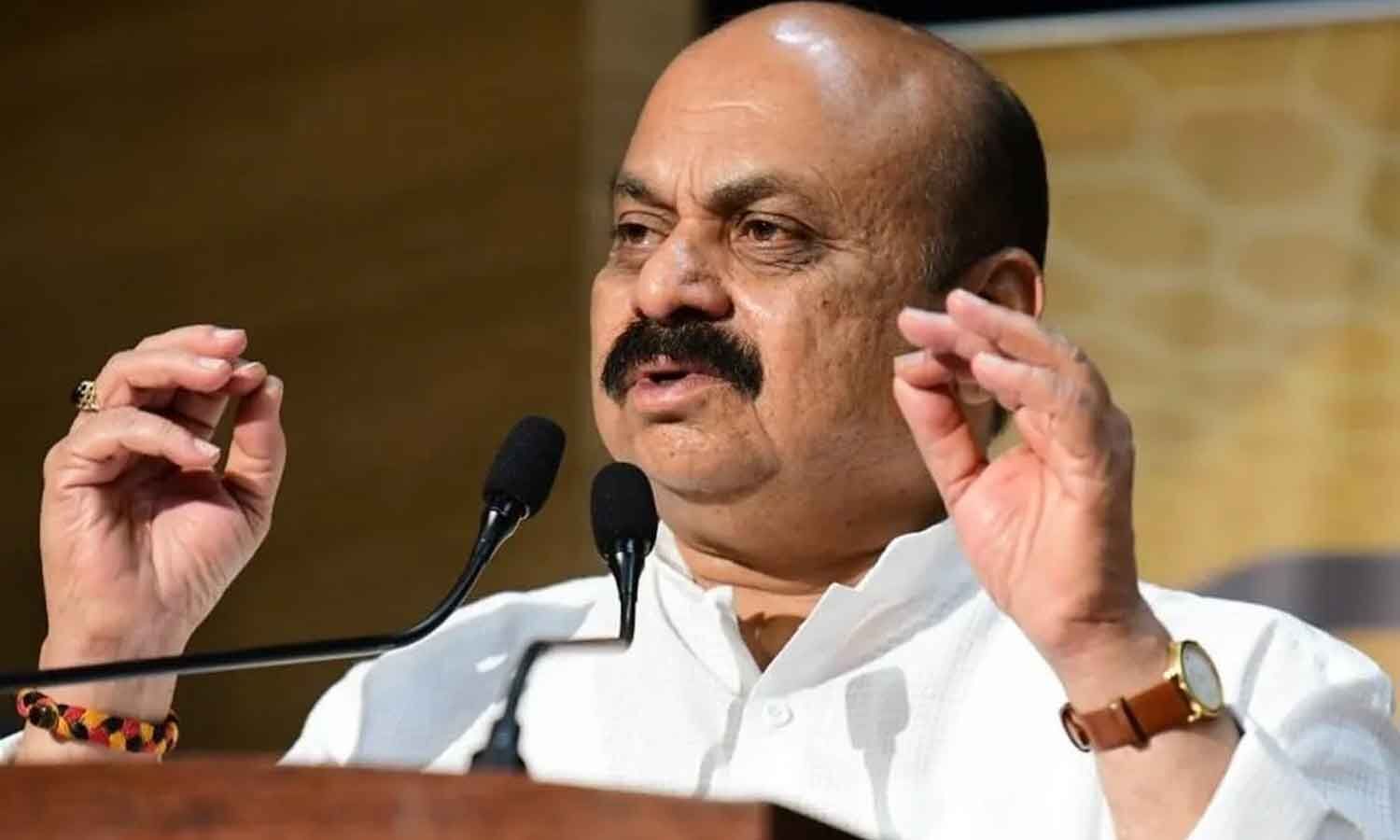
1 week ago
Karnataka Rejects Western Ghats Eco-Sensitive Draft, Shivakumar Says

Karnataka’s government does not agree with a plan to protect a large part of the Western Ghats through stricter rules.
The plan would cover many villages and districts in the state.
Chief Minister D. K. Shivakumar says the rules could make farming and building roads, homes and other facilities harder.
He also says quarrying, sand transport and tourism could be affected.
The government will ask people and experts for their opinions.
It plans to send objections to the Centre.
Shivakumar also wants the state Assembly to discuss the matter and pass a resolution.
He said the government is preparing drought relief and help for people affected by electoral-roll notices.
He also addressed plans involving parks, water releases and youth groups.

Karnataka Chief Minister D. K. Shivakumar said the state would reject the Centre’s draft notification based on the Kasturirangan Committee report.
The proposed eco-sensitive area covers 20,668 square kilometres, including 33 taluks, 10 districts and 1,449 villages in Karnataka.
Shivakumar said restrictions could affect farming, infrastructure, construction, roads, tourism, quarrying and sand transportation.
The government plans consultations with residents and experts, objections to the Centre, and a special Assembly session to pass a resolution.
He also discussed voter-roll revision, drought relief, parkland use, water releases to Tamil Nadu and proposed youth organisations.
- Who
- Karnataka Chief Minister D. K. Shivakumar and the Karnataka government; the Centre issued the draft notification.
- What
- The state said it would not accept the draft notification declaring large parts of Karnataka’s Western Ghats an eco-sensitive area under the Kasturirangan Committee recommendations.
- Where
- The affected areas are in Karnataka’s Western Ghats, covering parts of 10 districts, 33 taluks and 1,449 villages.
- When
- Shivakumar made the statement on August 26; the article does not specify the year.
- Why
- The state says the proposed restrictions could harm farmers’ livelihoods and hinder infrastructure, construction, roads, tourism and other local activities.
Karnataka Government
Centre’s Draft Notification
Environmental restrictions and livelihoods
Karnataka Government
Karnataka says the proposed restrictions could damage farmers’ livelihoods and make basic infrastructure, construction, roads and tourism more difficult.
Centre’s Draft Notification
The Centre has proceeded with a draft notification declaring the specified Western Ghats areas eco-sensitive under the Kasturirangan Committee-based proposal; the article does not state the Centre’s response to Karnataka’s objections.
Decision-making process
Karnataka Government
Shivakumar says Karnataka will seek public and expert input, use a scientific approach and pass a special Assembly resolution opposing the proposal.
Centre’s Draft Notification
The draft notification process is continuing despite the state government’s statement that a previous Cabinet had rejected the proposal.
Key facts
- Proposed coverage
- 20,668 square kilometres in Karnataka
- Affected areas
- 33 taluks, 10 districts and 1,449 villages
- Proposed restrictions
- Rules concerning quarrying, sand transportation, additional thermal power generation, construction and townships
- State response
- Consult experts and affected residents, submit objections to the Centre and convene a special Assembly session
- Earlier state position
- The previous Siddaramaiah-led Cabinet had rejected the proposal
- Drought preparations
- More than 100 taluks were expected to be declared drought-hit after further verification; 102 had undergone ground verification
- Electoral-roll revision
- Shivakumar said notices were being issued to more than 45 lakh people and that the government would help eligible voters retain their rights
Quotes

D K Shivakumar
Karnataka Chief Minister
“This is a very serious concern for our state and for all the regions, above party lines.”
 theprint.in
“Our government cannot accept this in any manner.”
theprint.in
Sources
Related news
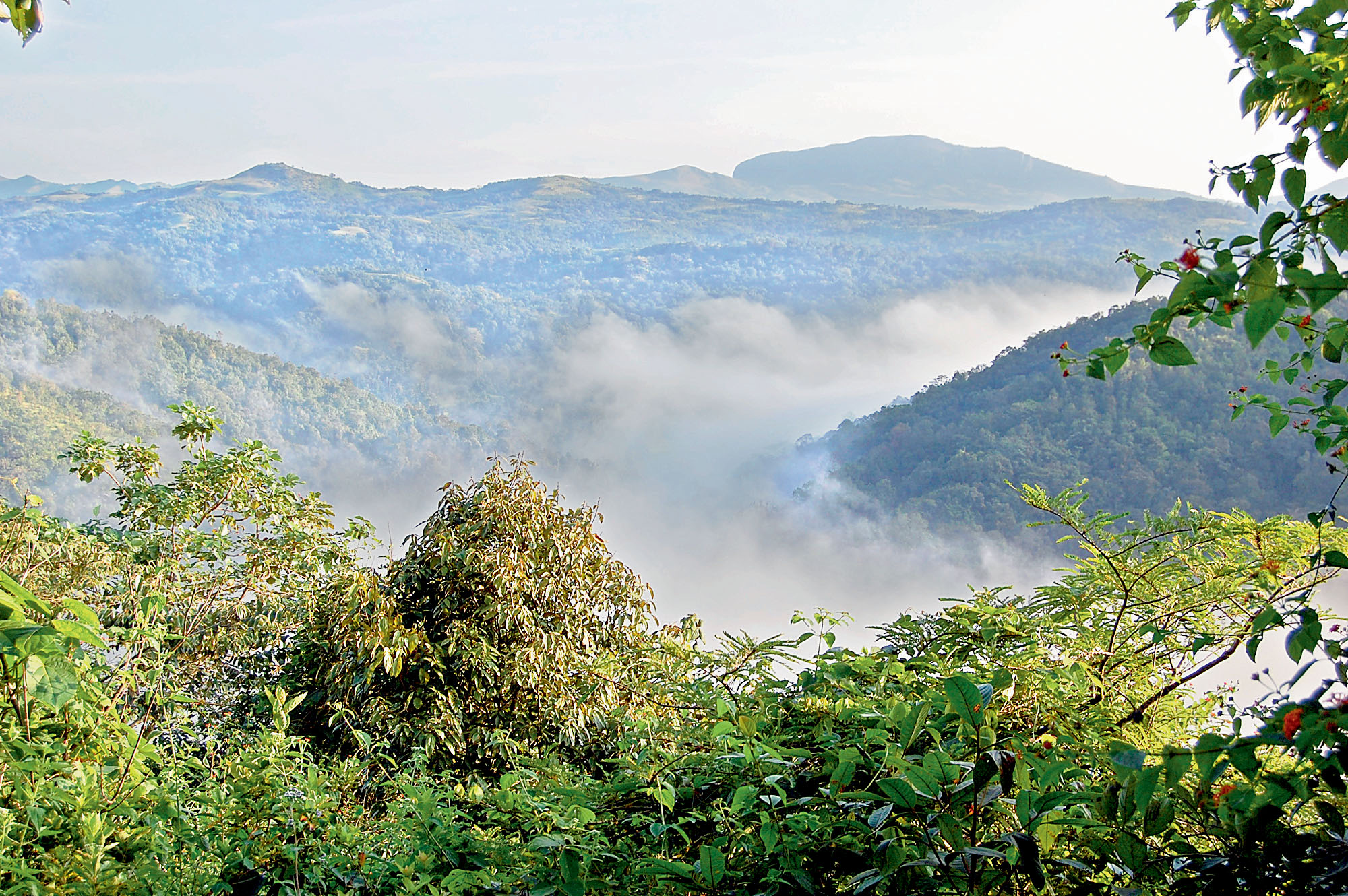
Karnataka Again Rejects Centre’s Kasturirangan Western Ghats Plan
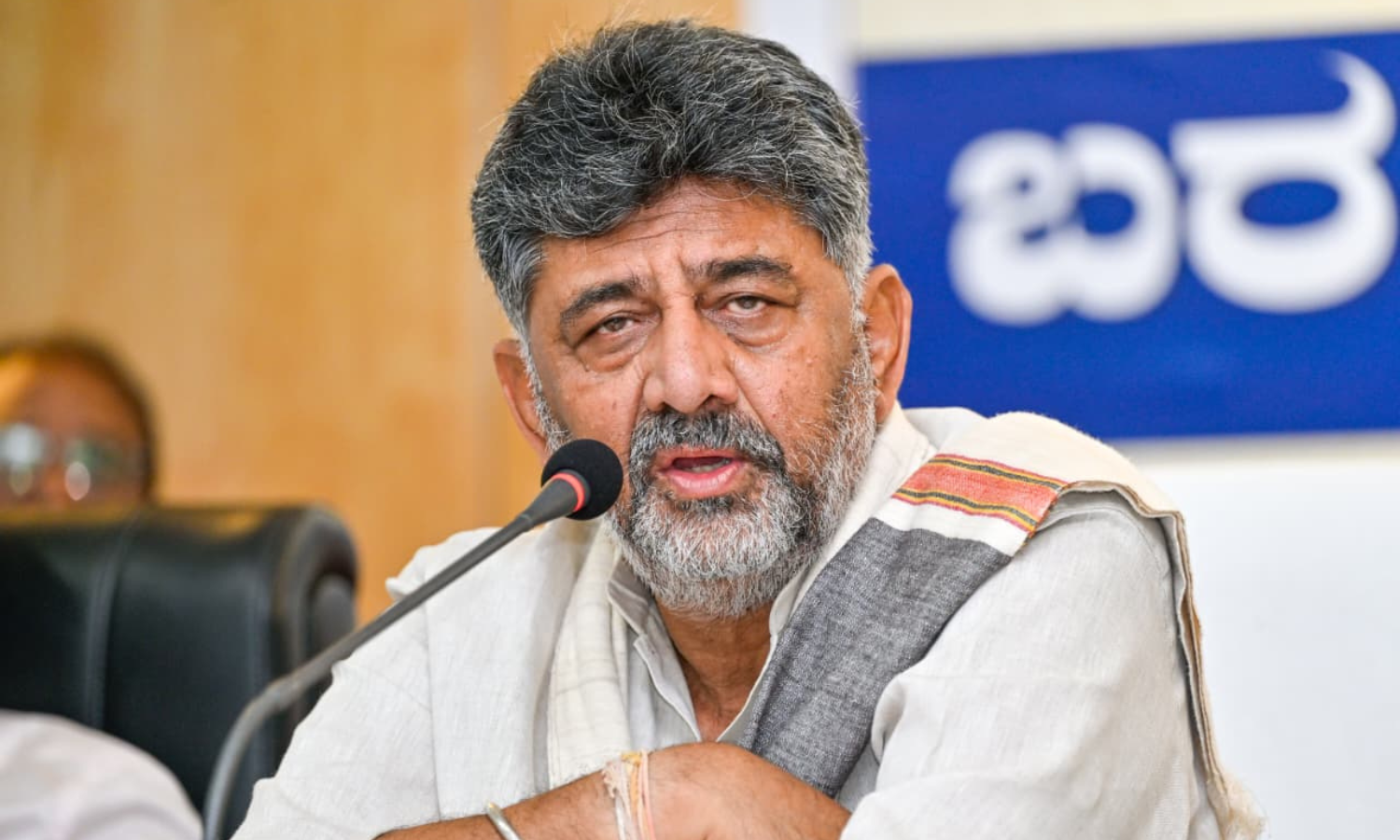
Karnataka Plans Second Drought List After Wider Coverage Demands
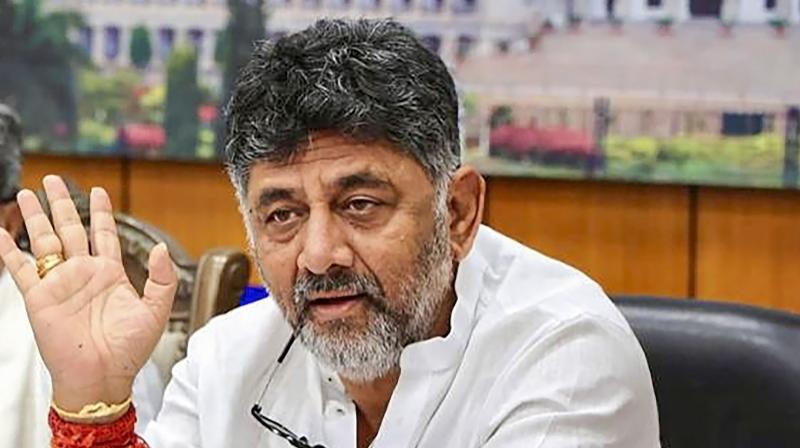
Chief Minister Reviews Gadag Drought, Hears Farmers’ Demands

Environmentalists oppose 2,500-MW Varahi project in Western Ghats

Nagendra Weighs Resignation Amid Karnataka Valmiki Welfare Controversy

Tamil Nadu Files Review Petition Against Western Ghats Eviction Order
Shivakumar Seeks NITI Aayog Funds, Backs Second Bengaluru Plan
Shivakumar Says Sita’s Sacrifice Inspires Women Entrepreneurs and Leadership
Karnataka to Launch Praja Seva Campaign in Kudligi September 5
Shivakumar Calls BJP Padayatra Cover-Up for Internal Crisis
Congress MLA Threatens Resignation Over Jagalur Drought Recognition