2 hrs ago
Abraham Wald’s Logic of Absence Revealed Survivorship Bias

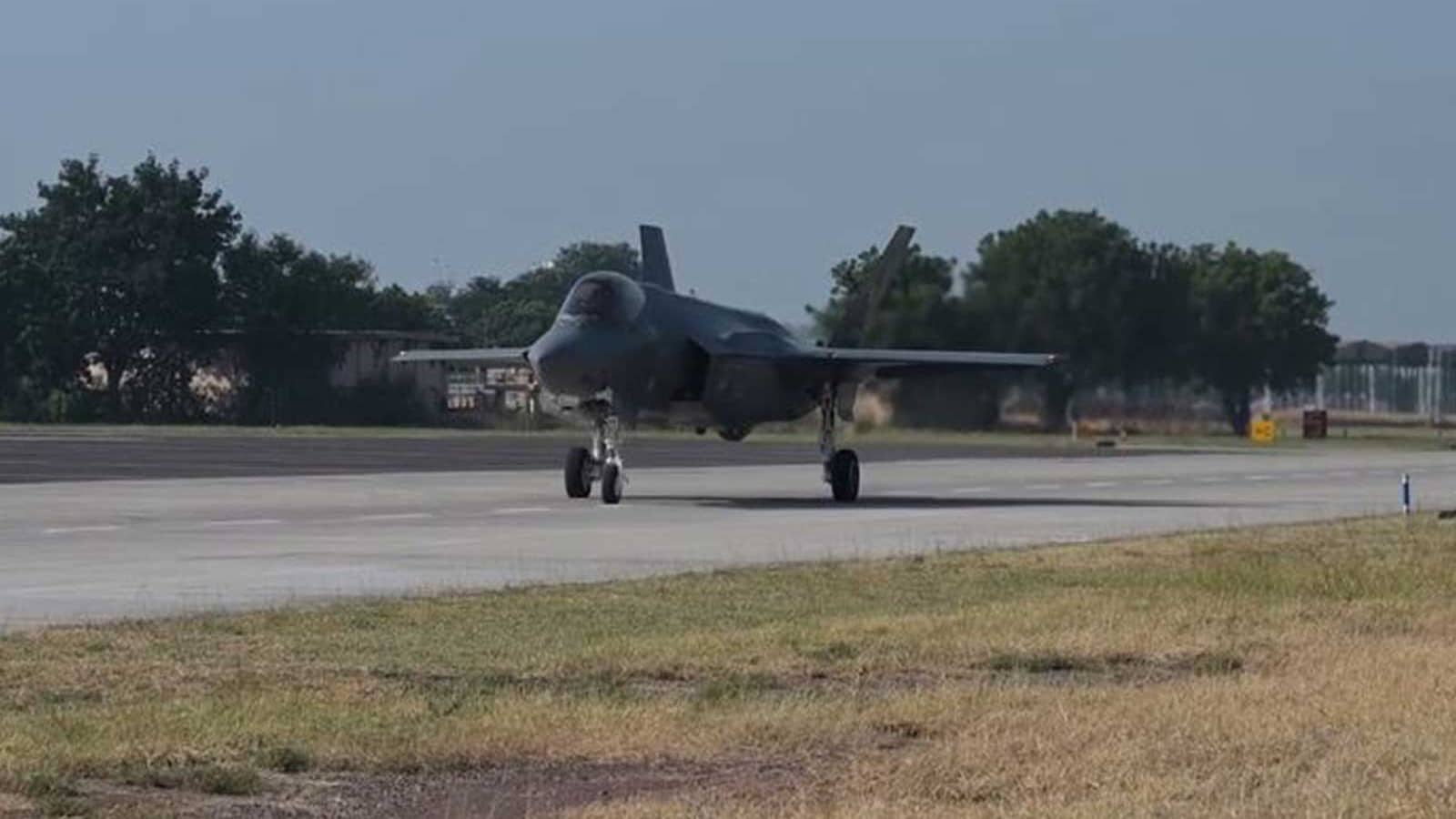
Abraham Wald studied bullet holes on planes that made it back from war missions.
Many holes were on the wings and tail, so the military first thought those parts needed more armour.
Wald pointed out that the study only included planes that survived.
Planes hit in the engine or cockpit might crash and never be counted.
He said those less-damaged-looking areas could actually need more protection.
The military followed his advice, and the article says more Allied bombers survived.
This kind of mistake, caused by looking only at survivors, is called survivorship bias.
Wald also developed a way to make decisions by checking new evidence as it arrives.

Abraham Wald argued that damage patterns on returning bombers excluded planes that had been fatally hit and never returned.
He advised reinforcing vulnerable areas such as engines, fuel systems, and cockpits rather than concentrating armour where surviving planes showed the most damage.
The article says the U.S. military adopted Wald’s recommendation and that Allied bomber survival rates increased significantly.
Wald also developed sequential analysis, in which evidence is assessed as it accumulates rather than relying on a sample size fixed in advance.
An example involving 21 families illustrates how omitting families with no sons can skew observed male-to-female figures.
- Who
- Abraham Wald, the U.S. military, and researchers in the Statistical Research Group.
- What
- Wald identified survivorship bias in returning-bomber damage data and advocated protecting areas whose damage could prevent planes from returning.
- Where
- The research was conducted in the United States; Wald died in a plane crash in the Nilgiri Hills, India.
- When
- During World War II; Wald died on 13 December 1950.
- Why
- The military wanted to reduce bomber losses, and Wald argued that data from only returning planes gave a biased picture of where protection was most needed.
Initial military interpretation
Wald’s interpretation
Where to place aircraft armour
Initial military interpretation
The U.S. military initially focused on reinforcing wings and tails because returning planes showed many bullet holes there.
Wald’s interpretation
Wald argued that the observed planes were survivors; hits to engines, fuel systems, or cockpits could keep aircraft from returning, so those areas needed protection.
How to interpret the available evidence
Initial military interpretation
The returning planes’ damage patterns appeared to show where enemy fire most often struck.
Wald’s interpretation
Wald said the sample was biased because it left out planes that were hit fatally and never returned.
Key facts
- Research group
- The Statistical Research Group was established at Columbia University in 1942 and included 18 researchers.
- Wald's recommendation
- Reinforce vulnerable areas such as engines, fuel systems, and cockpits, rather than relying only on damage seen on returning planes.
- Statistical concept
- The article describes the missing evidence from planes that did not return as survivorship bias.
- Sequential analysis
- Wald's approach examines evidence as it accumulates and allows a decision once there is enough evidence.
- Family-data example
- A class exercise counted 68 children in 21 families; the author notes that families with no sons were not represented.
- Wald's death
- He died at age 48 when an Air India Douglas C-47B crashed near Kil Kotagiri in the Nilgiri Hills on 13 December 1950.
Quotes

Abraham Wald
Mathematical statistician whose work established sequential analysis.
“Why must I decide the sample size in advance? Why not examine the evidence as it accumulates and stop as soon as there is enough evidence to make a decision?”
 thestatesman.com
“invest in protecting an area that looks unscathed, simply because the logic of absence dictates it.”
thestatesman.com
Sources
Related news

Arundhati Bhattacharya Challenges Bias Against Women and Gen Z

Questions Remain Before RCMP Shelves Air India 182 Investigation

Kanwal Rekhi’s Journey from $8 Immigrant to Silicon Valley Mentor
Ex-Colonel Says India Faces More Than China and Pakistan

Pilot Fought Off Axe Attack, Saving Flydubai Passengers

Families Resist Proposed Closure of Air India Kanishka Investigation

Possible Iranian Drone Attack Prompts US Bomber Withdrawal
US Withdraws Bombers From UK Base Over Reported Iranian Drone Threat
US Bombers Leave RAF Fairford Amid Iran-Linked Plot Investigation

US Redeploys Fairford Bombers Amid Suspected Iran-Linked Plot