2 weeks ago
India Plans Real-Time Biometric Checks for All SIM Cards
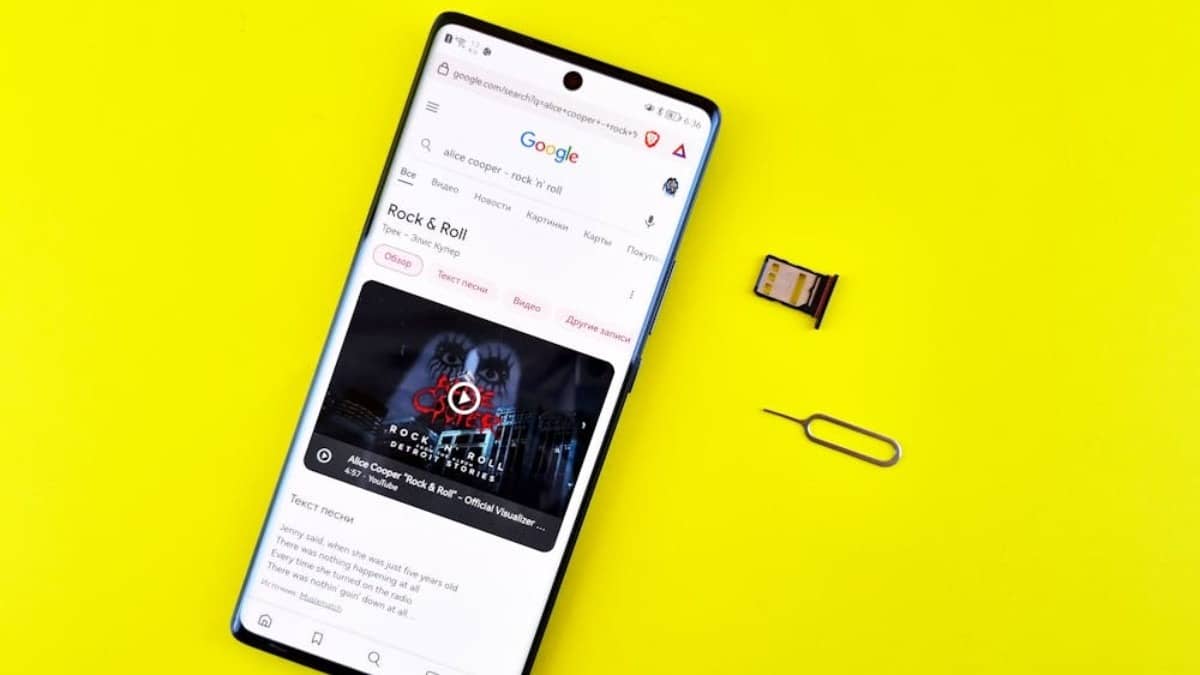
India wants to make it harder for criminals to get mobile phone connections using false identities.
The Department of Telecommunications is preparing a new verification system.
It would check a customer’s identity in real time before issuing a SIM card.
Customers may also need to provide biometric information, such as a fingerprint or other biological identifier.
These rules could apply to both regular SIM cards and eSIMs.
Criminals often use fake SIM cards and temporary phones for scams and other crimes.
The new system aims to reduce the number of anonymous phone connections available to fraudsters.
The proposal is part of India’s wider effort to improve telecom security.

India’s Department of Telecommunications is preparing a new SIM verification framework to combat cyber fraud.
The proposed system would verify customer identities in real time before issuing a SIM card.
Biometric authentication may become mandatory for both physical SIM cards and eSIMs.
The measures target fake SIM cards and burner phones used in phishing, impersonation and financial fraud.
The government says the framework is part of broader efforts to strengthen telecom security and limit anonymous mobile connections.
- Who
- India’s Department of Telecommunications is developing the proposed framework.
- What
- The department plans real-time identity verification and biometric checks for physical SIM cards and eSIMs.
- Where
- India.
- When
- The proposal is currently being prepared; no implementation date is stated.
- Why
- To combat cyber fraud and reduce the misuse of fake SIM cards and burner phones.
Key facts
- Authority
- Department of Telecommunications
- Verification method
- Real-time identity verification before SIM issuance
- Biometric coverage
- Proposed for physical SIM cards and eSIMs
- Targeted devices
- Fake SIM cards and burner phones
- Crimes cited
- Phishing, impersonation scams, financial fraud and extortion
- Stated goal
- Strengthen telecom security and limit anonymous mobile connections
Sources
Related news

DoT Directs Telcos to Block SIMs Beyond Permitted Limits

India Caps Mobile Connections at Nine, Orders Real-Time Checks

Government Tightens Enforcement of India's Existing Nine-SIM Limit

Biometric SIM Rules May Strain Small Businesses

DoT Orders Telcos to Block New SIMs Beyond Nine
DoT Warns IMEI Tampering Can Bring Jail, ₹50 Lakh Fine
Vodafone Idea Shares Rise as Brand Revamp Draws Investor Attention

Eutelsat OneWeb Seeks India Security Clearance Amid Launch Delays

Vodafone Idea Names Shah Rukh Khan Amid Financial Challenges
India Proposes Vehicle-to-Vehicle Systems to Reduce Road Deaths