2 hrs ago
Indore Man’s Painkiller Overuse Leads To Kidney Failure
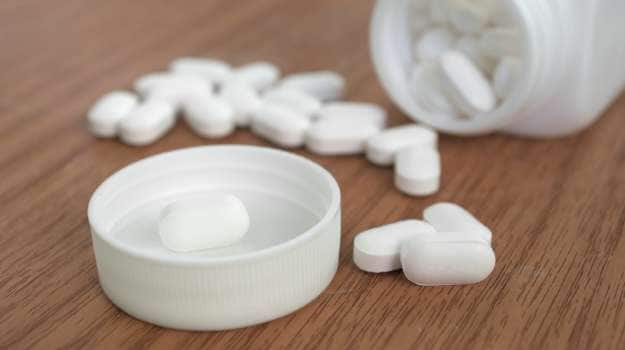
A man in Indore had a fever, headaches and body pain for more than a month.
He took painkillers whenever the symptoms returned.
In 30 days, he took 13 painkillers.
The report says this led to severe kidney failure.
His mother donated a kidney so he could receive a transplant.
Some painkillers can hurt the kidneys when they are taken too often or without medical advice.
Taking medicines on your own can also hide a serious illness.
People should follow the prescribed dose and see a doctor if symptoms continue.

A 31-year-old man from Indore took 13 painkillers over 30 days for persistent fever, headaches and body pain.
The reported overuse caused severe kidney failure, requiring a kidney transplant.
His mother donated a kidney to replace the damaged one, according to the report.
Overuse of NSAID painkillers can reduce kidney blood flow and impair waste filtration.
Doctors should be consulted when symptoms persist, urination decreases, or swelling and unexplained fatigue appear.
- Who
- A 31-year-old man from Indore; his mother donated a kidney.
- What
- The man developed severe kidney failure after taking 13 painkillers in 30 days and required a kidney transplant.
- Where
- Indore, India.
- When
- The painkiller use occurred over a 30-day period, after symptoms had persisted for more than a month.
- Why
- The report attributes the kidney failure to painkiller overuse and self-medication for persistent symptoms.
Key facts
- Painkillers taken
- 13 in 30 days
- Reported symptoms
- Persistent fever, headache and body pain
- Reported complication
- Severe kidney failure
- Treatment
- Kidney transplant
- Donor
- The patient’s mother
- Medicines discussed
- Painkillers, including NSAIDs such as ibuprofen, diclofenac, naproxen and others
- Higher-risk groups
- People with diabetes, hypertension, chronic kidney disease, dehydration or multiple prescribed medications
Sources
Related news

Common Medicines Can Quietly Cause Silent Liver Damage
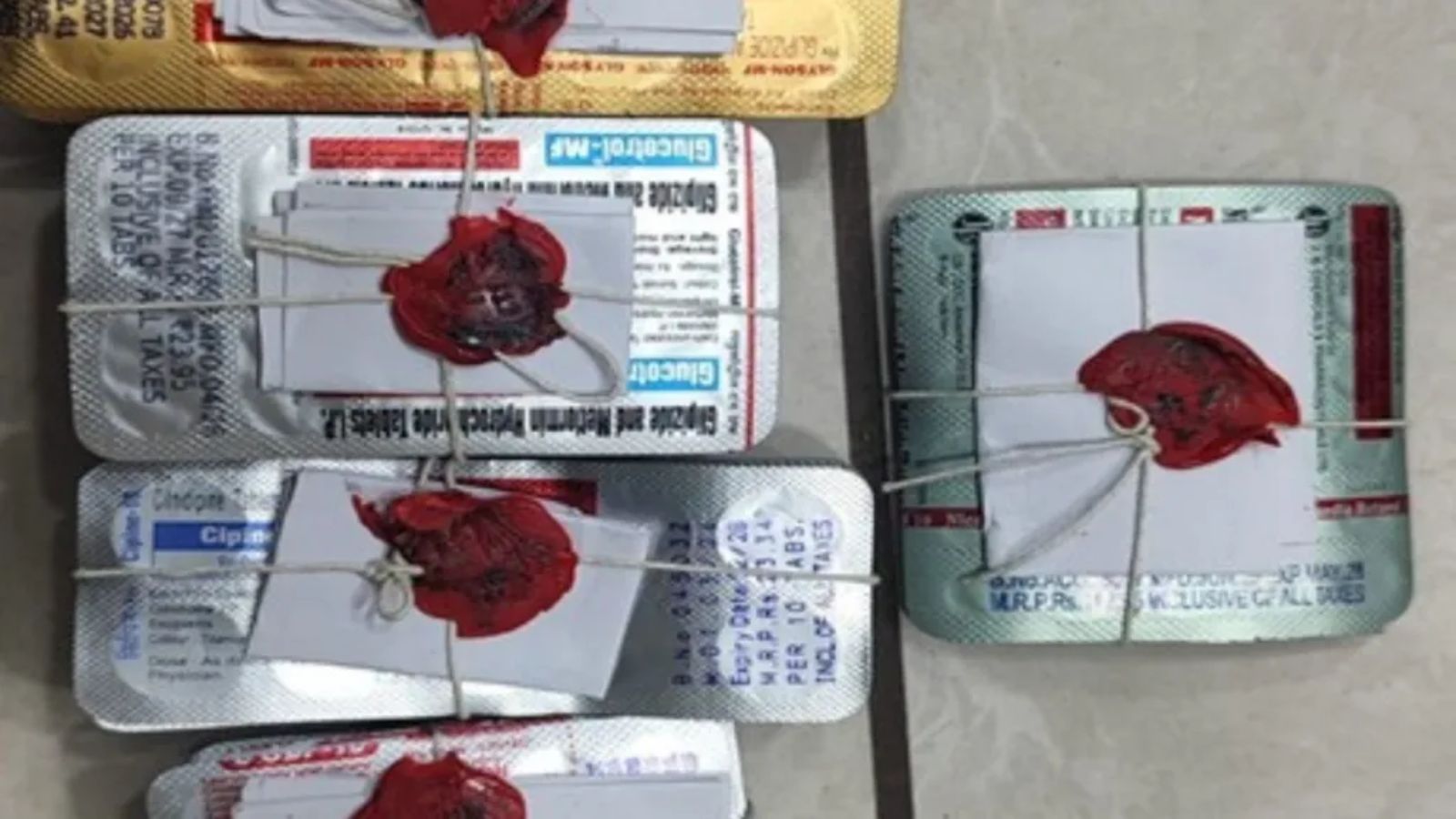
Gujarat Police Bust Interstate Counterfeit Nicardia Blood Pressure Drug Racket
Smoking Can Delay Ulcer Healing, Doctors Warn
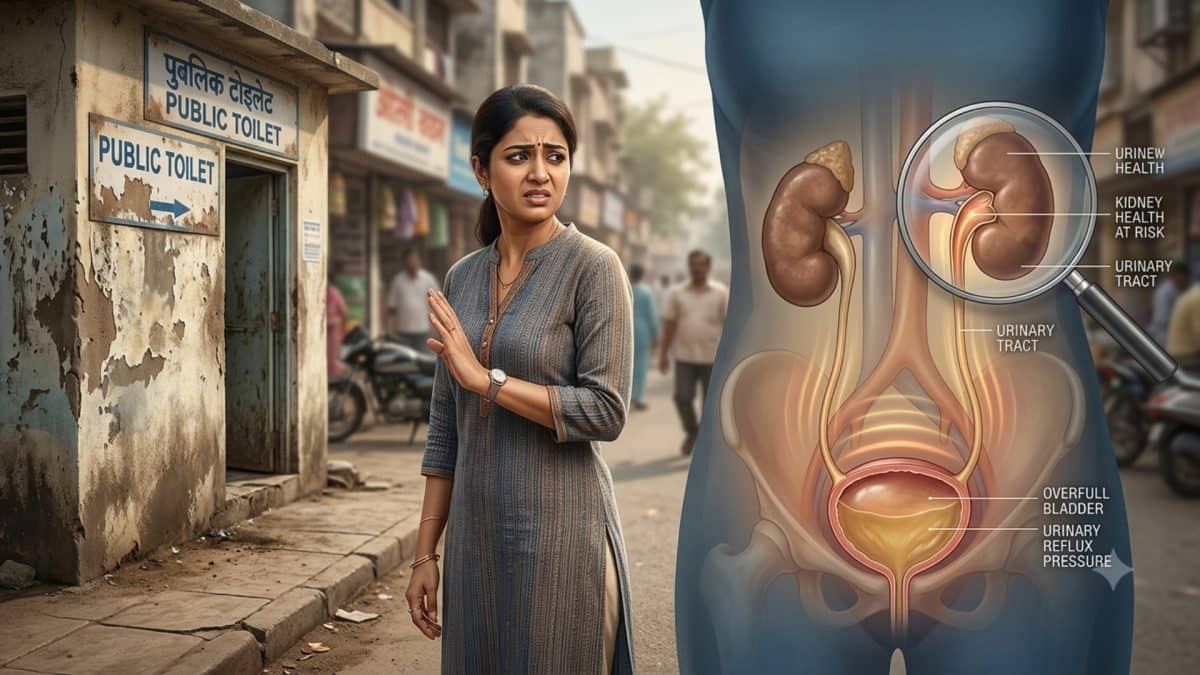
Doctors Warn Habitual Urine Holding Can Harm Bladder Health

Coimbatore Gyms Face Scrutiny Over Illegal Mephentermine Use

Weekend habits damaging kidneys: 6 doctor-flagged mistakes

Jabalpur High Court Seeks Reports On Union Carbide Toxic Residue
Three Arrested In Indore With 17 Grams Of MD Drug

Indore Imposes Districtwide Begging Ban, Offers ₹1,000 Reporting Reward
Indore Commissioner Punishes Three Tehsildars Over Revenue Case Lapses