1 week ago
Smoking Can Delay Ulcer Healing, Doctors Warn
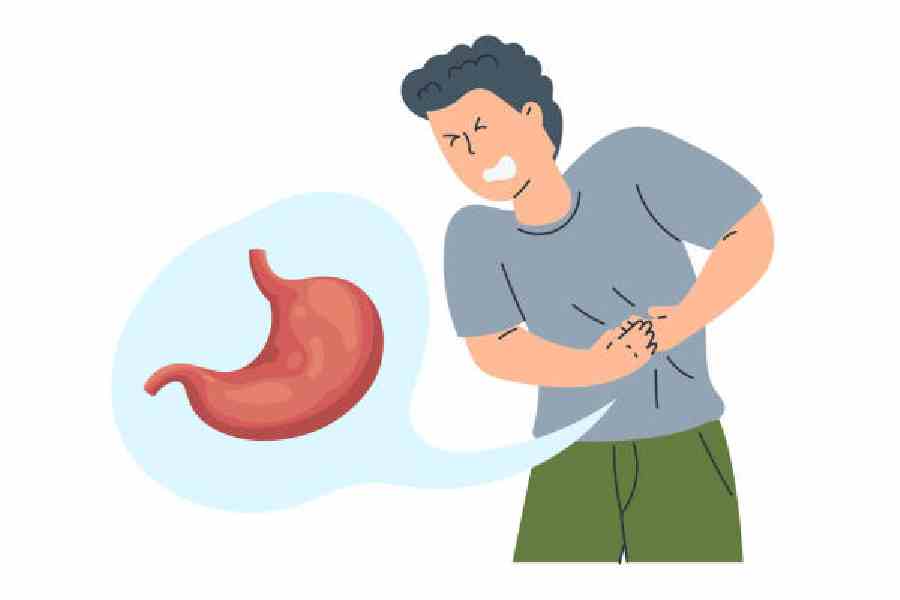
An ulcer is a sore in the stomach or the first part of the small intestine.
It can happen when the stomach’s protective lining is damaged.
A germ called Helicobacter pylori and some pain medicines can cause ulcers.
Smoking can make an ulcer take longer to heal.
Medicines that reduce acid can help, but taking them for a long time without medical advice may hide a serious problem.
Doctors can test for the germ and may use antibiotics and acid-reducing medicine.
Pain that lasts more than two weeks should be checked by a doctor.
Vomiting blood or passing black stools requires urgent medical help.

Peptic ulcers can develop in the stomach or duodenum when protective mechanisms against stomach acid are disrupted.
Helicobacter pylori infection and frequent use of NSAIDs such as ibuprofen, diclofenac and naproxen are major ulcer causes.
Smoking can delay healing, while alcohol and certain foods may worsen symptoms without being primary causes.
Long-term self-medication with antacids, PPIs or H2 blockers can mask serious conditions and cause potential side effects.
Persistent pain or warning signs such as vomiting blood, black stools, fainting or weight loss require medical evaluation.
- Who
- People with persistent or recurring upper-abdominal pain, suspected ulcers or ulcer risk factors.
- What
- Medical guidance explains ulcer causes, treatment, the effect of smoking and the dangers of prolonged self-medication.
- Where
- Ulcers can occur in the stomach or the duodenum, the first part of the small intestine.
- When
- Medical evaluation is advised when pain persists for more than two weeks, recurs or requires repeated antacids; urgent care is needed when warning signs occur.
- Why
- Ulcers may result from Helicobacter pylori infection, frequent NSAID use or disruption of the stomach’s protective mechanisms; smoking can delay healing.
Key facts
- Common causes
- Helicobacter pylori infection and frequent use of non-steroidal anti-inflammatory drugs, including ibuprofen, diclofenac and naproxen.
- Effect of smoking
- Smoking can delay ulcer healing.
- Testing
- Possible tests include a urea breath test, stool antigen test, blood tests and upper gastrointestinal endoscopy.
- Treatment
- Treatment for Helicobacter pylori usually combines antibiotics with acid-suppressing medication; proton pump inhibitors can help ulcers heal.
- Self-medication risks
- Long-term use of antacids, proton pump inhibitors or H2-receptor blockers may mask serious conditions and has been associated with reduced vitamin B12 and magnesium absorption and certain intestinal infections.
- Urgent warning signs
- Vomiting blood, black tarry stools, sudden severe abdominal pain, fainting, weakness, vomiting, unexplained weight loss, difficulty swallowing or anaemia.
Sources
Related news

Eight Everyday Habits That May Affect Gut Health
Recurring Acidity Symptoms May Signal Delayed Stomach Emptying
Intestinal Worms Can Stay Hidden Despite Few or No Symptoms

IMA Warns Against Self-Medication Amid India’s Seasonal H1N1 Surge

H1N1 Can Cause Stomach Symptoms That Mimic Food Poisoning

Why Quitting Smoking Takes More Than Simple Willpower