

2 weeks ago
Doctors Warn Habitual Urine Holding Can Harm Bladder Health

Holding your pee for a short time once in a while is usually okay.
Doctors say most healthy people should use the bathroom every three to five hours.
Keeping urine inside for many hours every day can make the bladder work poorly.
It can also give bacteria more time to grow and cause an infection.
This may be especially important for women, whose urinary tracts make it easier for bacteria to reach the bladder.
A dirty toilet seat does not automatically cause a urinary infection.
Cleaning the seat and washing your hands can make public bathrooms safer to use.
You should not stop drinking water just to avoid bathroom trips.
If urination is painful, difficult, incomplete or bloody, you should see a doctor.

Occasionally delaying urination for an hour or two is generally harmless for healthy adults.
Doctors suggest most healthy adults urinate every three to five hours during the day.
Regularly holding urine beyond six hours may strain bladder muscles and increase infection risks.
Avoiding public toilets can backfire because retained urine may allow bacteria to multiply.
Cleaning toilet seats, washing hands, staying hydrated and planning bathroom stops are safer approaches.
- Who
- Urologists and nephrologists, including Dr Ajay Aggarwal, Dr Shalabh Agrawal, Dr Navinath Mohan and Dr Madhukar Gupta, provided the medical guidance.
- What
- Doctors explained the potential bladder, urinary infection and kidney-related risks of regularly holding urine, along with safer bathroom habits.
- Where
- The guidance concerns everyday situations such as workplaces, public toilets, long drives, train journeys and travel.
- When
- The article does not specify a publication date; the advice distinguishes occasional delays from habitual daytime urine holding.
- Why
- People may avoid bathroom breaks because of meetings, travel or concerns about unhygienic public toilets, but frequent retention can interfere with bladder emptying and allow bacteria to multiply.
Key facts
- Typical bathroom interval
- Doctors cited roughly three to five hours during the daytime for most healthy adults.
- Bladder capacity
- The bladder can comfortably hold about 300 to 500 milliliters of urine under normal circumstances.
- Higher-risk pattern
- Regularly pushing beyond six hours during the day may strain bladder muscles and raise infection risks.
- UTI concern
- Retained urine can create conditions that allow bacteria to multiply before the bladder is emptied.
- Kidney risk
- Occasional holding is generally not expected to damage healthy kidneys; greater concern exists with chronic retention, obstruction or other underlying conditions.
- Practical precautions
- Doctors recommend adequate hydration, cleaning toilet seats, hand hygiene, planning stops and avoiding prolonged hovering.
- Warning symptoms
- Difficulty urinating, weak stream, burning, blood, persistent urgency, lower abdominal pain or recurrent UTIs warrant medical attention.
Quotes
Dr Shalabh Agrawal
Director Urology at CK Birla Hospital, Gurgaon
“"The urinary tract relies on regular flushing to expel bacteria that naturally enter the urethra. When urine is retained in the bladder for too long, it creates a stagnant environment where bacteria can multiply rapidly."”
 firstpost.com
“"Occasionally holding your urine for a short while is generally harmless but making it a regular habit can strain your urinary system over time."”
firstpost.com
Sources
Related news

Man Hospitalized After Superglue Attempt To Stop Urinary Leakage

Public Urination on Secunderabad Roads Prompts Call for Toilets, Sanitization
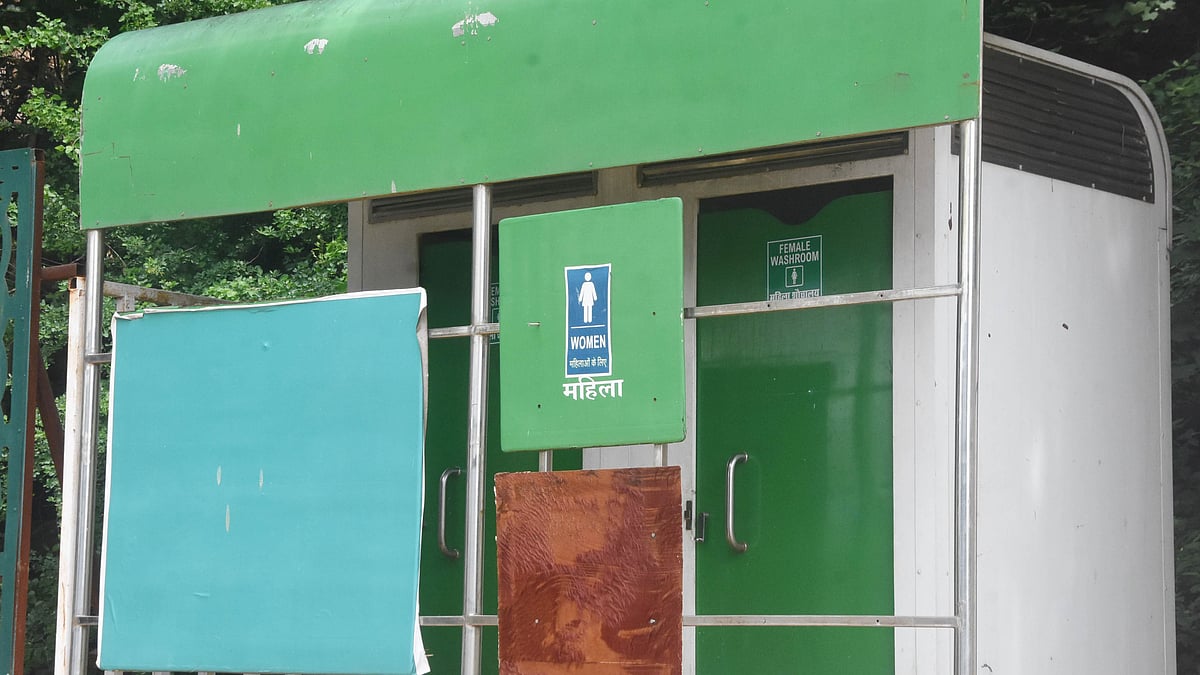
Bhopal Women Struggle for Clean Toilets Despite Women-Led Civic Administration

Weekend habits damaging kidneys: 6 doctor-flagged mistakes

Eight Everyday Habits That May Affect Gut Health
