9 hrs ago
Andy Burnham Can Pursue Cheap Power Without Abandoning Net Zero
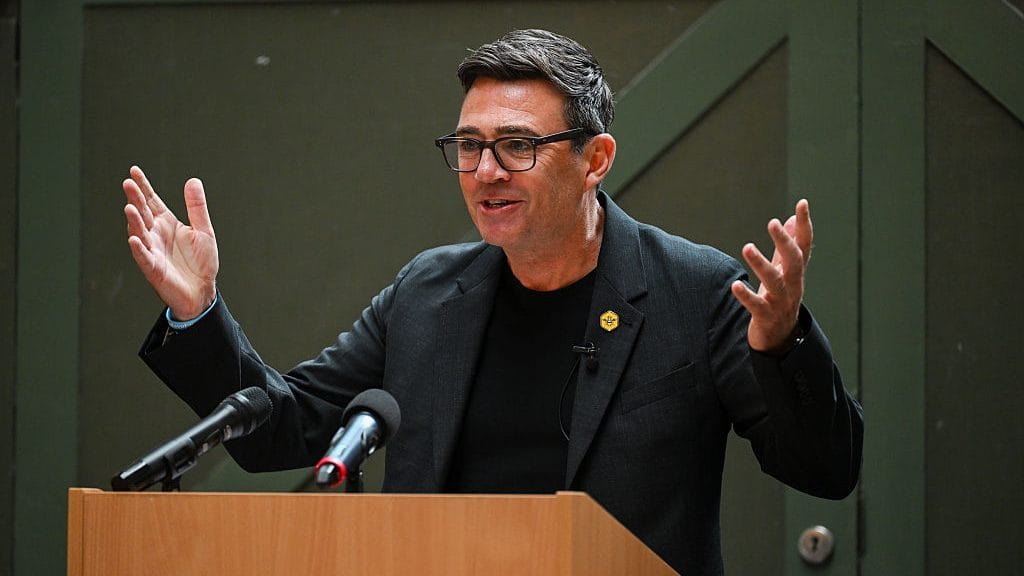
Andy Burnham is under pressure to make electricity cheaper in the United Kingdom.
He also wants the country to keep fighting climate change.
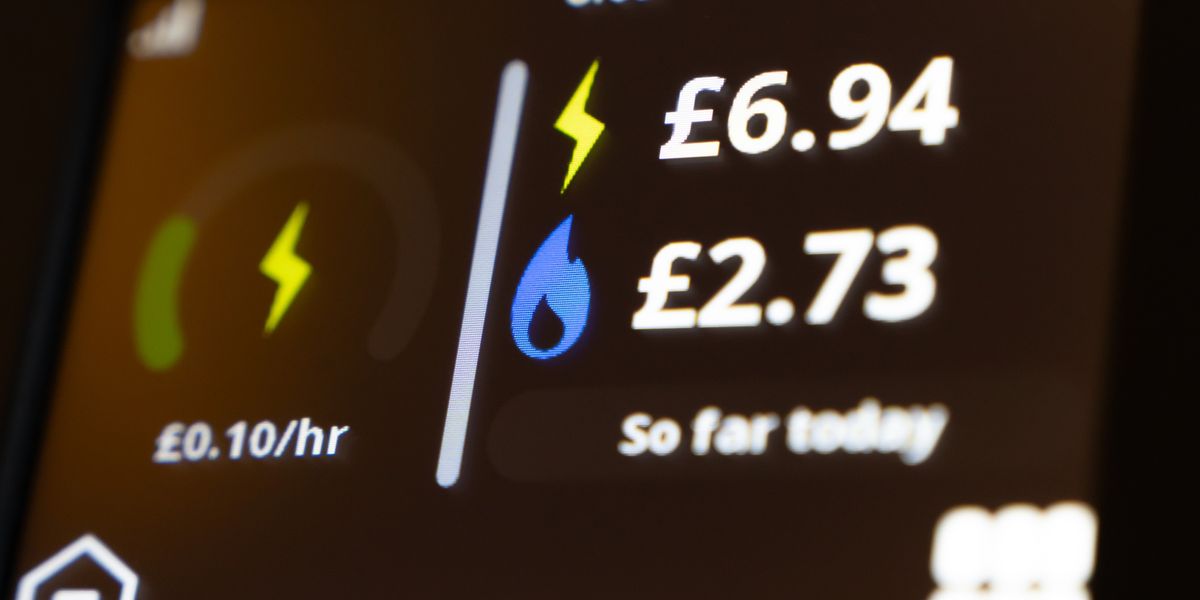
Electricity prices are often based on the cost of natural gas, even when much of the power comes from cheaper wind or solar energy.
This can make consumers pay more than expected for renewable electricity.
The article says the government should change this pricing system.
It could also reduce extra charges on electricity and offer longer contracts to renewable-energy producers.
Some political parties want to weaken or abandon the country’s net-zero plan.
The article argues that cheaper clean electricity could help Burnham answer those critics while still reducing pollution.
It suggests promising “Cheap Power 2030” instead of focusing only on “Clean Power 2030.”

Andy Burnham faces pressure to lower high electricity prices while preserving the United Kingdom’s 2050 net-zero commitment.
The article argues that gas often sets electricity prices, allowing renewable producers to receive payments linked to expensive gas generation.
It proposes decoupling electricity prices from gas, removing remaining green levies, and extending fixed-price contracts to older renewable generators.
Reform UK and the Conservative Party have intensified opposition to climate policies, while climate action remains broadly popular among voters.
The article suggests replacing the goal of Clean Power 2030 with a cheaper-electricity-focused promise while retaining longer-term emissions targets.
- Who
- Andy Burnham, the United Kingdom’s prime minister, alongside the Labour Party, Reform UK, and the Conservative Party.
- What
- A debate over how to reduce electricity prices while maintaining climate and net-zero policies.
- Where
- The United Kingdom, including electricity transmission between Scotland and England.
- When
- During Burnham’s first six weeks at No. 10 Downing Street; the article also discusses targets for 2030 and 2050.
- Why
- High household and industrial energy costs, gas-linked electricity pricing, and political conflict over climate policy are creating pressure for a new approach.
Climate Action and Clean Electricity
Lower Costs and Energy Security
Net-zero commitment
Climate Action and Clean Electricity
Maintaining the 2050 net-zero target and expanding renewable electricity are necessary for long-term emissions reductions.
Lower Costs and Energy Security
Opponents argue that net-zero policies impose large infrastructure costs and should be reconsidered to reduce bills.
North Sea gas development
Climate Action and Clean Electricity
New North Sea gas fields are unnecessary because domestic sources are largely depleted and continued fossil-fuel development conflicts with climate goals.
Lower Costs and Energy Security
Supporters say stopping new fields is unreasonable while the United Kingdom remains dependent on potentially expensive imported gas.
Electricity pricing
Climate Action and Clean Electricity
Renewable power should provide consumers with more benefit through pricing reforms, fixed-price contracts, and reduced electricity levies.
Lower Costs and Energy Security
Critics blame the renewables transition and associated grid spending for high costs, although the article argues that gas-linked pricing is the larger problem.
Key facts
- Net-zero target
- The United Kingdom’s legally established goal is to reach net-zero emissions by 2050.
- Electricity pricing
- The article says electricity prices are based on the most expensive power source needed to meet demand, usually natural gas.
- Renewable-producer tax
- The government has raised the tax on windfall profits for low-carbon producers to 55%.
- Proposed reform
- The article recommends breaking the link between renewable electricity prices and costly gas generation.
- Grid investment
- Billions of pounds are needed to connect wind power from the Scottish Highlands to England.
- Political alternative
- The article suggests replacing the emphasis on Clean Power 2030 with a promise of Cheap Power 2030.
- Coal reserves
- The article says only 68 million tons of British coal are economically recoverable.
Quotes

David Cameron
Former UK prime minister who promoted a climate-focused Conservative government
“greenest government ever.”
 theprint.in
Sources
Related news

Trump Warns Britain Faces Disaster Over Immigration and Energy
War-Driven Gas Costs Set UK Energy Bills Higher

Burnham's Budget Test: UK PM Faces Hard Choices

Iran Conflict Adds Nearly £10bn to Britain’s Energy Costs
Healey Sets Growth Vision Ahead of Britain’s Tough Budget

Christopher Rokos’s Greece Move Highlights UK Tax Competition

El‑Sayed’s Win Signals Shift Toward Democratic Socialists

Musical Chairs: Rapid Turnover of British Prime Ministers
Andy Burnham becomes UK's seventh PM in a decade