1 month ago
Musical Chairs: Rapid Turnover of British Prime Ministers
In the last ten years, Britain has had seven different prime ministers, which is a lot compared to the past.
Usually, a prime minister stays in office for about three to four years.
Some have stayed longer, like Margaret Thatcher who served 11 years.
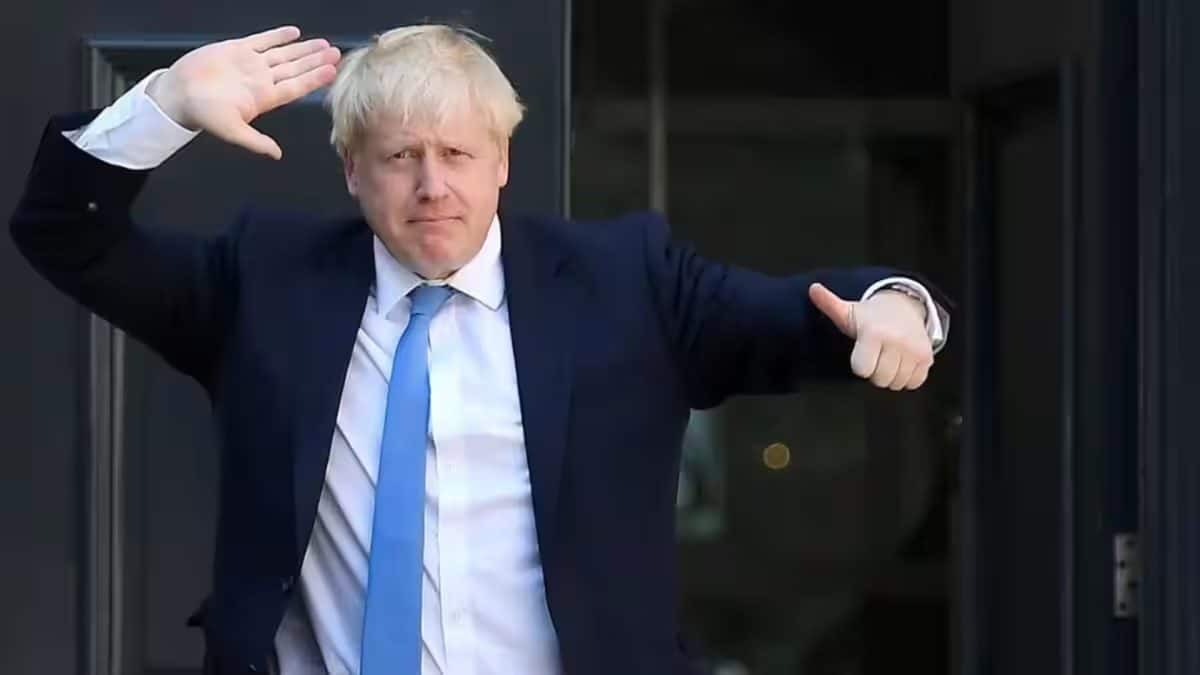
Recent leaders left because of big problems: David Cameron left after the Brexit vote, Boris Johnson left after breaking his own Covid rules, and Liz Truss left after making big tax cuts that hurt the economy.
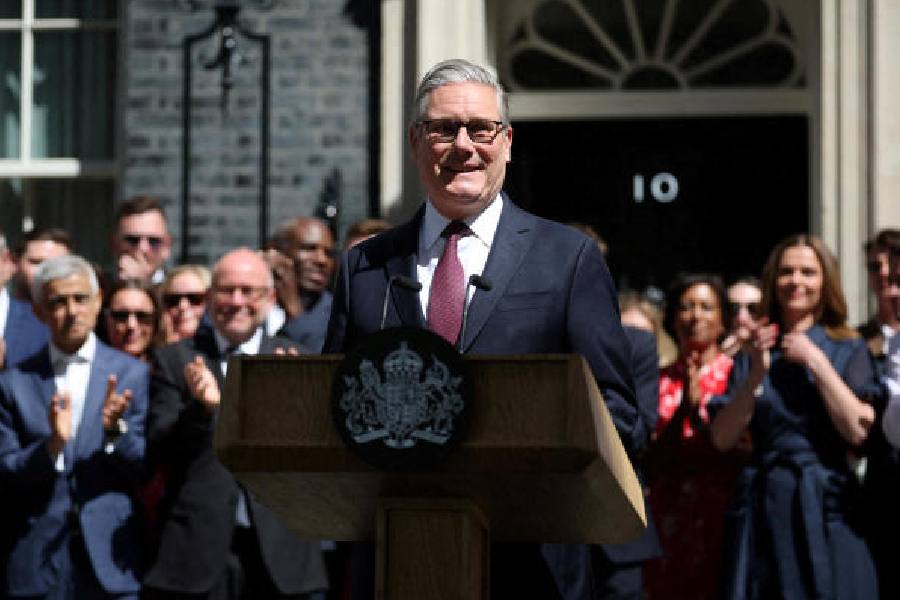
The process of a new prime minister speaking at 10 Downing Street is like a ceremony where they thank people and promise to keep working for the country.
The changes show how the UK’s political system can quickly replace leaders when things go wrong.

Seven prime ministers served in the UK between 2014 and 2024.
Typical tenure for a UK prime minister is 3‑4 years, with a few long‑serving exceptions.
Recent resignations were triggered by Brexit, Covid rule violations, and disastrous tax cuts.
The ceremonial handover at 10 Downing Street involves speeches, media, and a convoy of cars.
The UK’s political system allows rapid leadership changes when leaders lose party or public support.
- Who
- British prime ministers
- What
- Rapid changes in leadership and reasons for resignations
- Where
- United Kingdom
- When
- 2014‑2024
- Why
- Political dynamics, scandals, and policy failures
Key facts
- Number of PMs in last 10 years
- 7
- Typical tenure
- 3-4 years
- Longest-serving PMs
- Margaret Thatcher 11 years, Tony Blair 10 years
- Recent resignations due to
- Brexit, Covid rule flouting, tax cuts
- Current monarch
- Charles III
Sources
Related news

Why India’s Parties May Need Their Own Thatcher Moments
Keir Starmer to Quit Parliament After Turbulent Political Exit

Italy’s Revolving-Door Governments Hide More Stability Than Expected
Indian Parliament's Monsoon Session Ends Amid Disruptions, Low Productivity
Sara Taseer Says Pakistan Punishes Oxford-Educated Prime Ministers
Vijay Breaks Tamil Nadu Assembly Seating Tradition With Ministers
Over 20,000 UK Security Licences Revoked Over Work Rights

James Cleverly Resigns From Shadow Cabinet, Launches London Mayoral Bid

Boris Johnson Video Does Not Criticise Modi’s Foreign Policy

Boris Johnson Recalls Nehru’s Enduring Alignment Between India and Russia
Johnson Calls for India, US, UK Diplomacy on Iran