11 hrs ago
NSE Chairman Calls for Exchange Self-Listing in India

India’s biggest stock exchange, NSE, has asked permission to list its own shares on its platform.
Right now, Indian exchanges must list on rival exchanges because regulators worry about conflicts of interest.
NSE’s shares recently began trading on BSE, another Indian exchange.
NSE leaders say self-listing is allowed in some other major markets.
They also said trading activity is still strong, even though options trading has slowed.
Regulators raised costs and changed rules to reduce speculative options trading.
NSE wants to grow its regular stock market and commodities business.
A new rule allowing some foreign investors to trade certain commodity contracts may help increase bullion trading.

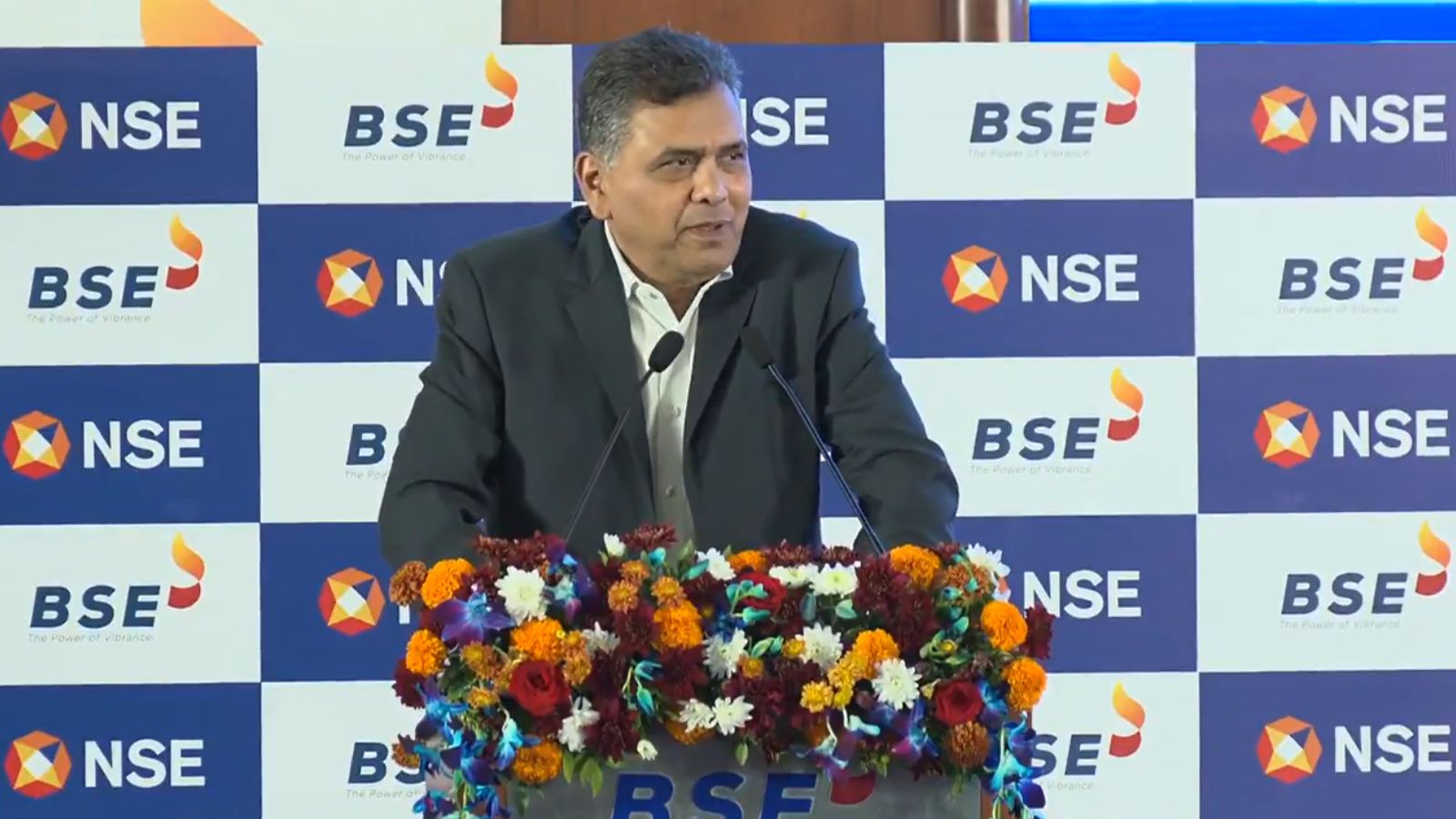
NSE Chairman Srinivas Injeti urged SEBI to allow exchanges to list on their own platforms.
NSE debuted on rival BSE at an estimated valuation of about $47 billion.
SEBI rejected exchange self-listing in 2015 over potential conflicts of interest.
NSE executives said trading volumes remain high despite weaker options activity and regulatory changes.
India’s approval of foreign participation in some commodity derivatives could expand NSE’s bullion business.
- Who
- NSE Chairman Srinivas Injeti, NSE Chief Executive Ashish Chauhan, and other NSE executives.
- What
- They called for Indian exchanges to be allowed to list on their own platforms and discussed NSE’s growth prospects.
- Where
- India, including its stock and commodity markets.
- When
- The statements were made on Friday, after NSE debuted on BSE on Thursday.
- Why
- NSE says self-listing should be reconsidered because it is permitted in some global markets, while growth efforts are responding to changing trading volumes and regulation.
Self-Listing Advocates
Conflict-of-Interest Concerns
Whether exchanges should list themselves
Self-Listing Advocates
Srinivas Injeti said SEBI should reconsider allowing exchanges to list on their own platforms, noting that self-listing is permitted in several major global markets.
Conflict-of-Interest Concerns
SEBI rejected the idea in 2015 because an exchange listing and overseeing its own shares could create conflicts of interest.
Response to changing derivatives activity
Self-Listing Advocates
NSE executives said volumes remain high and are spread across several instruments, including monthly options.
Conflict-of-Interest Concerns
Regulatory changes intended to cool speculative derivatives trading have reduced options activity, and NSE remains reliant on options for growth.
How to expand the market
Self-Listing Advocates
NSE executives support developing the cash market and allowing foreign portfolio investors to trade bullion and other eligible commodity derivatives.
Conflict-of-Interest Concerns
Regulators have prioritized reducing speculative options activity through higher costs and rule changes aimed at aligning Indian markets with global standards.
Key facts
- NSE listing valuation
- About $47 billion when NSE debuted on BSE.
- NSE cash-market share
- Approximately 93% of India’s cash-market trading.
- NSE options share
- Nearly 75% of India’s options trading.
- Self-listing policy
- SEBI debated the issue in 2015 but rejected it because of potential conflicts of interest.
- Options-market changes
- SEBI raised costs and changed rules to curb speculative options trading.
- Commodity-market change
- India permitted foreign portfolio investors to participate in physically settled non-agricultural commodity derivatives.
- Potential business impact
- NSE expects broader foreign participation could increase bullion-contract trading.
Quotes

Ashish Chauhan
Chief executive of the National Stock Exchange
“Whatever volumes had to go down due to regulatory changes to cool down derivatives trading and due to teething issues due to closing auction session have already gone down”
 CNBC TV 18
“Volumes are still high and spread across many instruments including monthly options which are pretty large”
CNBC TV 18
Sources
Related news

NSE Says Self-Listing Could Be Feasible With Regulator Approval

NSE IPO Nears Historic Listing Amid Self-Trading Debate
NSE Chairman Says Investor Protection Comes Before Business

SEBI Issues Observation Letter for Rs 30,000-Crore NSE IPO

BSE Seeks Common Order Book to Boost Closing Auctions

SEBI Clears NSE IPO, Advancing Long-Awaited Stock Exchange Listing

PL Capital Upgrades Pearl Global as Stock Hits Fresh High
JSW One Files Rs 3,054 Crore IPO Draft Papers