

2 weeks ago
Dollar falls as U.S. retail sales unexpectedly drop in July

People around the world use the United States dollar to buy and sell things.
A new report showed that Americans spent less money in stores in July than experts expected.
When people spend less, it can be a sign that the economy is slowing down.
This news made the dollar weaker compared to other money, like the euro in Europe and the pound in Britain.
Many experts now think the Federal Reserve, which helps manage the U.S. economy, will wait to raise interest rates.
In Japan, the yen got a little stronger, and the Bank of Japan may raise its rates as soon as September.
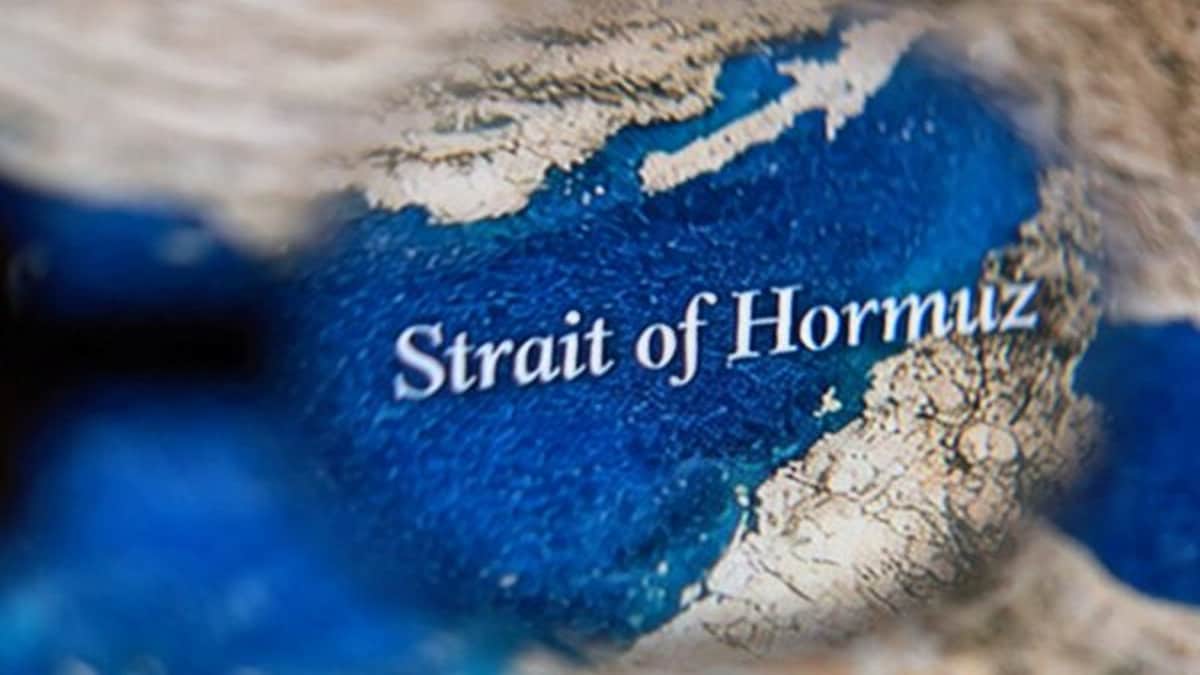
There are also worries about tensions between the United States and Iran over the Strait of Hormuz, which pushed oil prices higher.
All of this shows that traders are uncertain about how fast big economies around the world are growing.

U.S. retail sales unexpectedly fell 0.6% in July after an unrevised 0.2% gain in June, versus economists' forecast of a 0.1% rise.
The dollar index dropped 0.25% to 99.67, lifting the euro to its highest since June 17 and sterling to its highest since May 12.
Traders priced a 31% probability of a Federal Reserve rate hike in September and a 69% chance of an increase by December.
July's payrolls report showed employers unexpectedly shed jobs, deepening concerns about the U.S. labor market.
The yen strengthened 0.08% to 159.37 per dollar, with the Bank of Japan expected to raise interest rates as soon as September.
- Who
- Federal Reserve policymakers, currency traders, the Bank of Japan, and analysts at Bank of America, with market data compiled by Reuters
- What
- The U.S. dollar fell after July retail sales unexpectedly dropped 0.6%, pushing the euro and sterling to multi-month highs
- Where
- The United States and global financial markets, extending to oil shipping routes like the Strait of Hormuz
- When
- Friday, following the July retail sales release; the Federal Reserve's next meeting is set for September 15-16
- Why
- Weak consumer spending and soft inflation cut expectations for a September Federal Reserve rate hike, while U.S.-Iran tensions over the Strait of Hormuz lifted oil prices
Key facts
- U.S. retail sales (July)
- Down 0.6%, versus a forecast 0.1% rise
- Dollar index
- 99.67, down 0.25%
- Euro vs. dollar
- $1.1564, up 0.32%; high of $1.1585, highest since June 17
- Sterling vs. dollar
- $1.353, up 0.33%; high of $1.3561, highest since May 12
- September Fed hike probability
- 31%
- December Fed hike probability
- 69%
- Yen per dollar
- 159.37, up 0.08%
- Bank of Japan interest rate
- 1%, a 31-year high
Quotes
Ralf Preusser
Lead analyst at Bank of America, FX and rates sentiment survey
“"We are clearly having signs of poor consumption," said Juan Perez, director of trading at Monex USA in Washington. "This evidence is clearly showing that there is an economic slowdown in the United States."”
 livemint.com
“"The recent interventions have failed to turn JPY sentiment around. On the contrary, JPY bearishness increased considerably over the past month, reaching four-year highs."”
livemint.com
Sources
Related news
Dollar near two-month low as US inflation data awaited
Dollar slips as traders weigh Fed hike odds, jobs data

Dollar Mixed After Flat PPI as Fed Hike Bets Cool
Sticky US inflation lifts dollar, revives Fed hike bets
Oil Rallies, US Data Dents Chances of Fed Rate Hike
Rupee Slips Against Dollar Amid Oil and Tension

Iran Seizes Fuel-Smuggling Vessel in Gulf, Arrests 11 Crew
Trump Floats Renaming Strait of Hormuz as “Trump Strait”

Chevron Plans $7 Billion Venezuela Expansion Amid U.S. Oil Push

Saudi Tanker Hit in Hormuz, Killing Two Filipino Sailors

Indian Stocks Extend Three-Day Losing Streak as Oil Rises
