

1 hr ago
UK Weighs Chinese EV Tariffs as EU Alignment Pressure Grows

The UK is thinking about making Chinese electric cars more expensive to import.
It has not decided to do this, and the government says no tariffs have been imposed.
The EU already charges extra fees on some Chinese electric cars and wants the UK to follow a similar approach.
This matters because the EU buys many cars made in Britain.
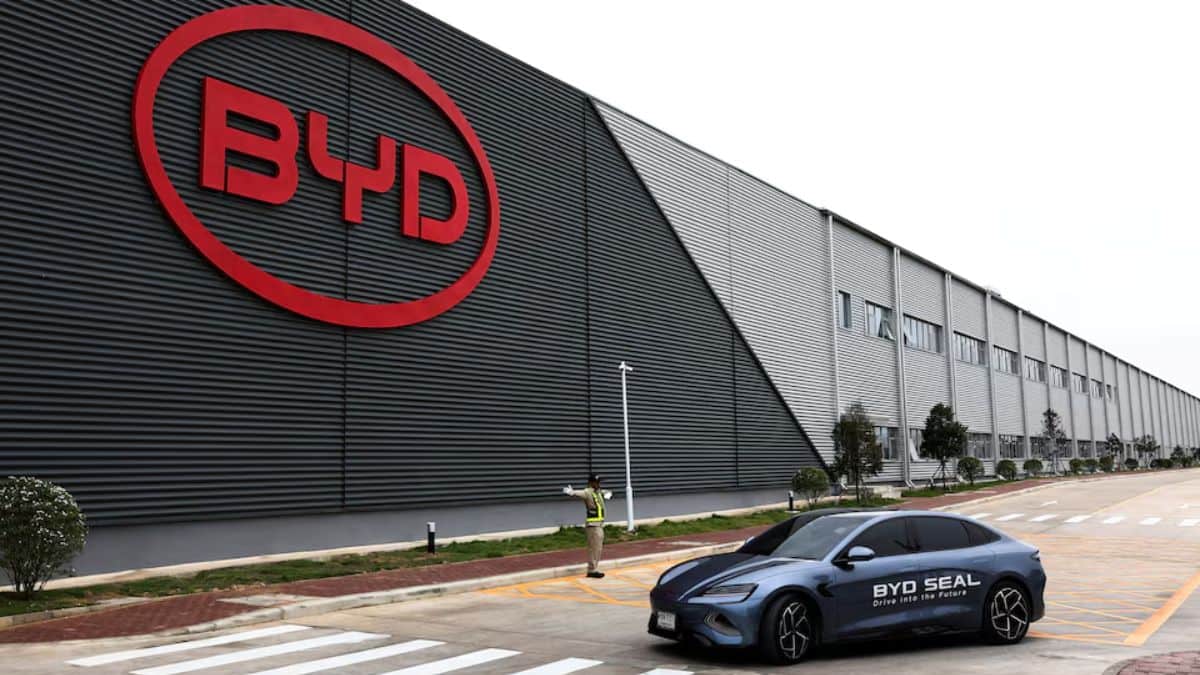
Chinese car brands are also becoming more popular in the UK, and their lower prices have helped some buyers.
Some industry voices say tariffs could protect British car factories.
Others worry that tariffs could make cars cost more or lead China to respond with its own trade measures.
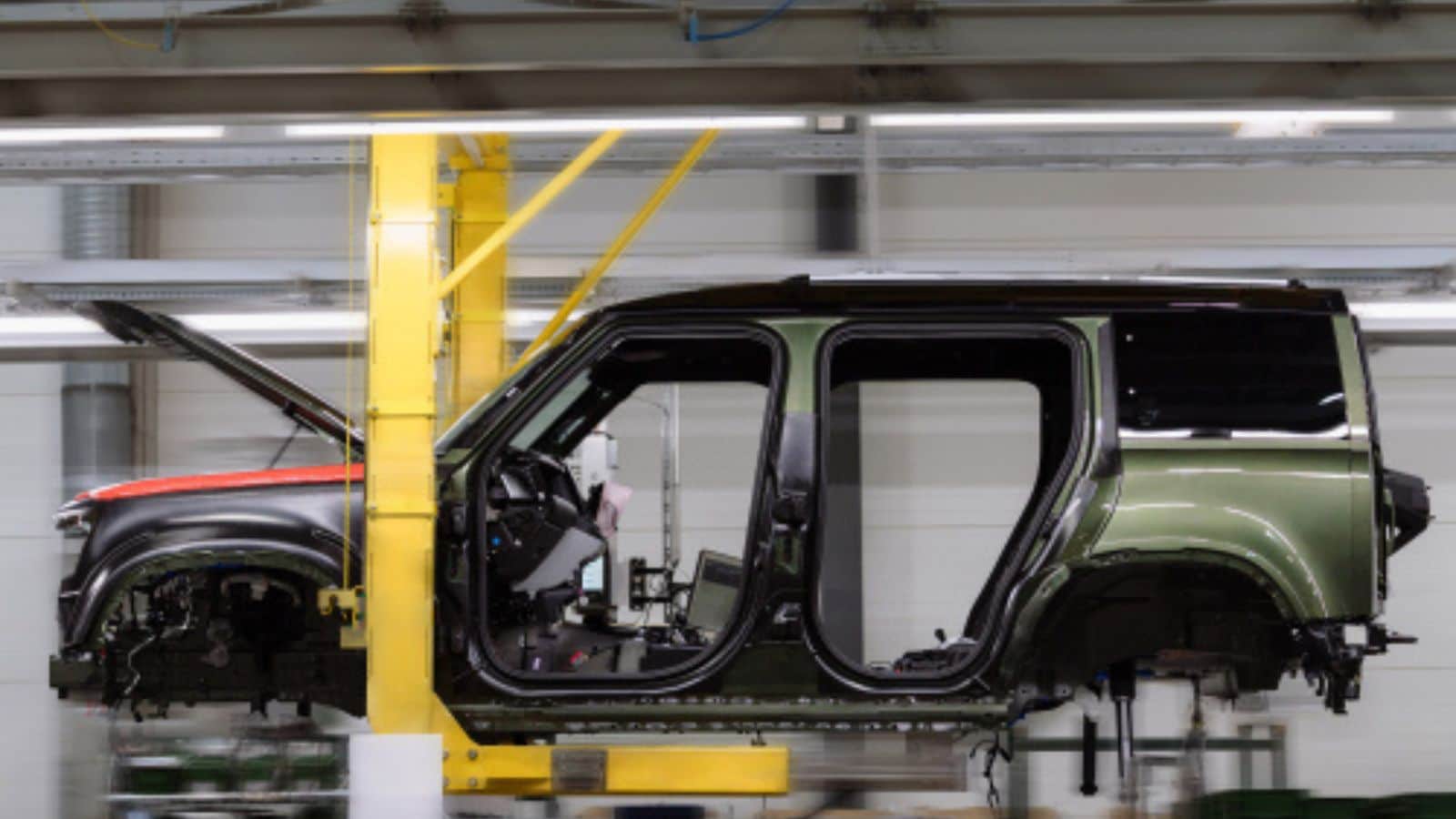
Chinese investment in UK factories is also part of the debate.

The UK is considering tariffs of up to 45% on Chinese electric vehicles, according to a report, but the government has not confirmed a move.
The EU is pressing Britain to align its trade policy and has reportedly warned that UK exports could be affected by proposed “Made in Europe” rules.
The EU received 58% of UK car exports in the first half of 2026, while China received about 4%.
Chinese brands including BYD, Omoda and Jaecoo more than tripled their combined UK new-car market share to 12% in the first eight months of 2026.
Industry voices disagree on tariffs: supporters say they could protect British carmaking, while others warn they may raise prices, invite retaliation or discourage investment.
- Who
- The UK government, including Business Secretary Jonathan Reynolds, is weighing possible tariffs on Chinese electric vehicles; the EU is pressing for closer policy alignment.
- What
- The UK is reportedly considering tariffs of up to 45% on Chinese EVs, but has not announced or imposed them.
- Where
- The proposed tariffs would apply to Chinese EV imports into the UK, amid concerns about access to the EU market.
- When
- The report describes current deliberations; the EU imposed additional tariffs on Chinese EVs in 2024, and cited UK car-export and market-share figures cover 2026.
- Why
- The UK faces competing concerns about Chinese competition and protecting domestic carmaking, while preserving access to its largest car-export market and weighing consumer prices, investment and possible retaliation.
Arguments for tariffs
Concerns about tariffs
Protecting British carmaking
Arguments for tariffs
Some industry figures, including former Vauxhall chair Tim Tozer, argue tariffs are vital to prevent the UK car industry from shrinking further amid Chinese competition.
Concerns about tariffs
The Society of Motor Manufacturers and Traders warns that excluding British-made vehicles from the EU market could damage both UK and EU automotive industries.
Prices and consumer choice
Arguments for tariffs
Supporters argue tariffs could address concerns that subsidised Chinese vehicles are competing with UK manufacturers.
Concerns about tariffs
AutoTrader’s Ian Plummer says competition from Chinese brands has made cars more affordable; tariffs could make some Chinese models more expensive.
Trade and investment
Arguments for tariffs
Closer alignment with EU trade policy could help protect British exporters from the effects of proposed “Made in Europe” rules.
Concerns about tariffs
Jonathan Reynolds has warned China could retaliate, while Chery says tariffs would not change its UK investment plans; industry voices also say uncertainty makes long-term decisions harder.
Key facts
- Reported tariff range
- Up to 45%, broadly matching EU duties on Chinese electric cars
- UK government position
- No tariffs have been imposed; the government has not confirmed a plan
- EU share of UK car exports
- 58% in the first half of 2026
- China share of UK car exports
- About 4% in the first half of 2026
- Chinese brands’ UK market share
- BYD, Omoda and Jaecoo together reached 12% in the first eight months of 2026, more than triple their previous combined share
- UK new-car registrations
- Rose 12% in the year to September, according to preliminary SMMT data
- Potential UK investment
- Chery has held talks about building vehicles at Nissan’s Sunderland plant
Quotes
Victor Zhang
Chery’s deputy UK chief.
“The UK and EU automotive industries are deeply integrated, so effectively excluding British-produced vehicles from their largest market would assure mutual damage.”
 firstpost.com
“Manufacturers need clarity on which direction the government intends to take so they can make long-term investment decisions.”
firstpost.com
Sources
Related news
EU Urges UK to Raise Chinese Car Tariffs
UK Minister to Meet JLR CEO Over Reported Cuts

US Auto Industry Urges Trump to Block Chinese Carmakers

Report Urges EU to Follow UK’s India Trade Strategy
US Auto Industry Urges Trump to Block Chinese Automakers

France’s Shein Fee Raises Questions About China Competition
BYD’s Denza Prepares India Entry With Premium Electric Vehicles

BYD’s Luxury Brand Denza Set to Enter India
India’s EV Sales Nearly Double as Competition Expands

Indian Stocks in Focus as Deals, Orders and Results Emerge
