1 hr ago
Arshad Madani Condemns Saharanpur Mosque Demolition

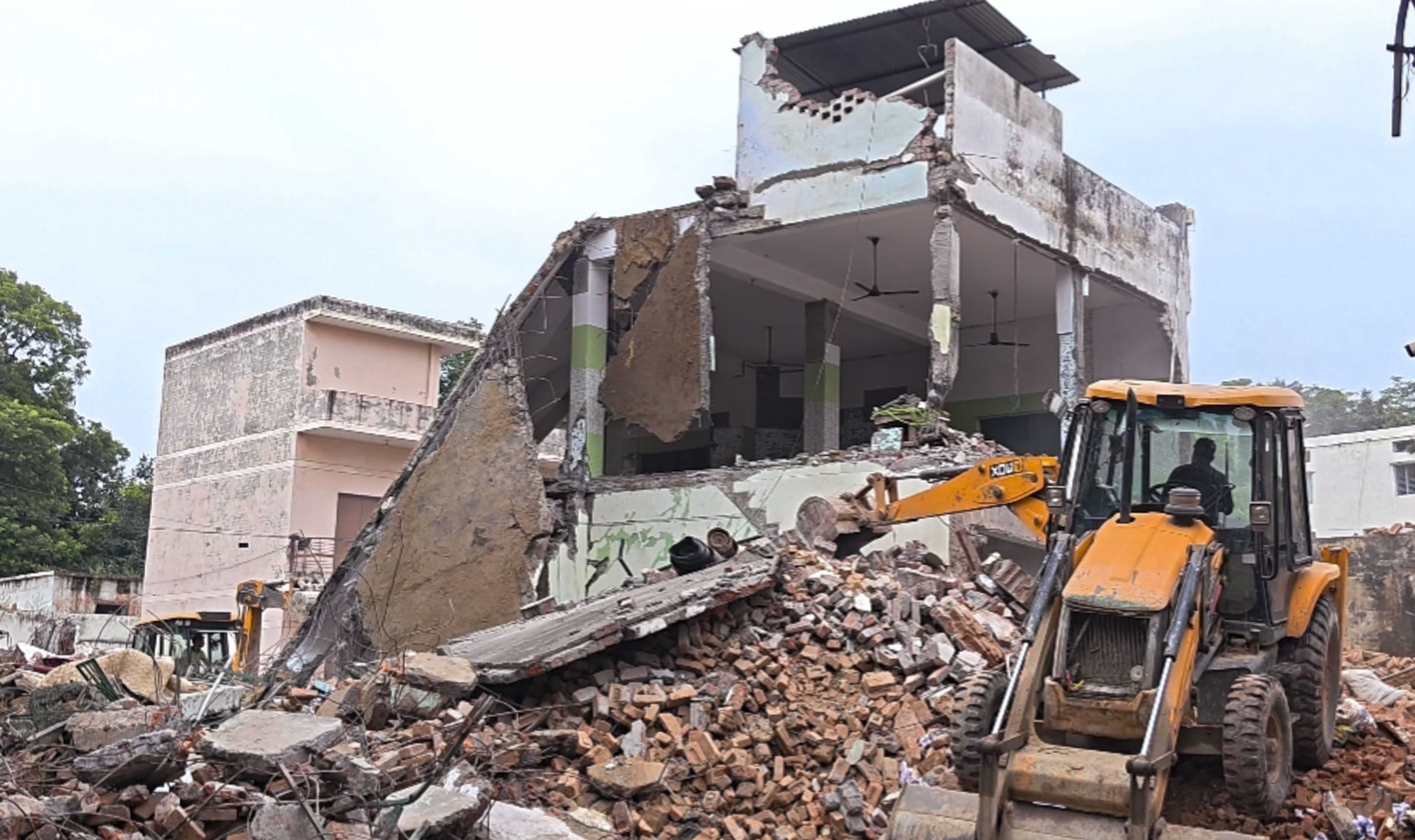
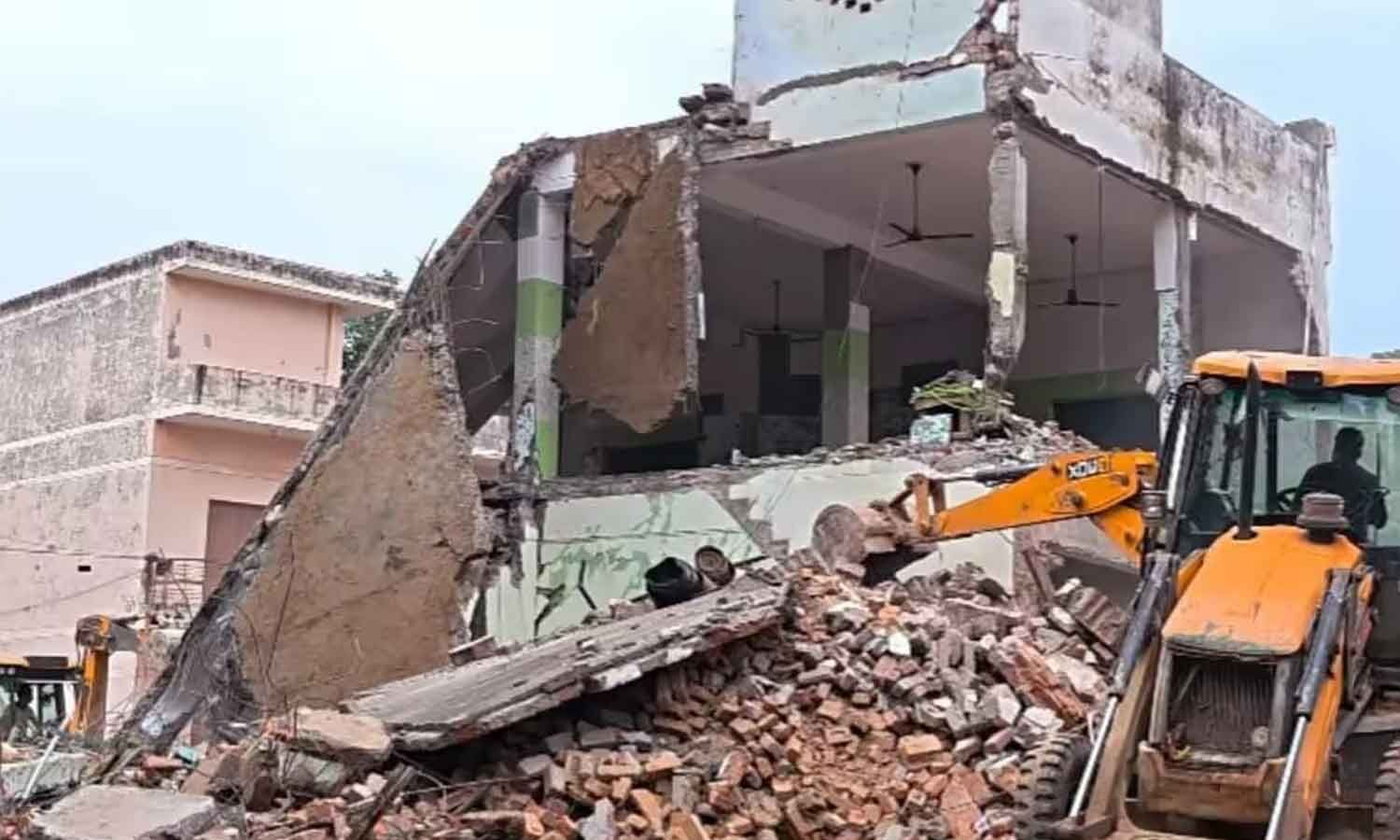
A mosque in a government complex in Saharanpur was demolished by officials.
This happened after a court rejected an appeal by the Muslim side.
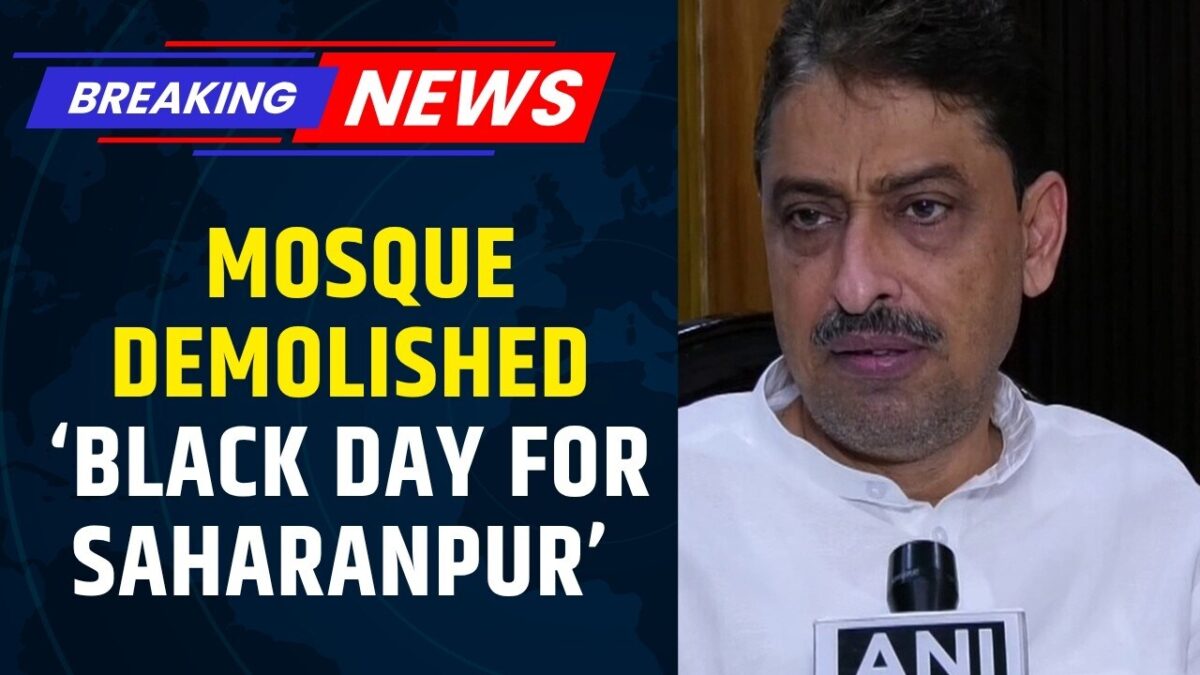
Arshad Madani, a Muslim community leader, said the demolition was unfair.
He worries that bulldozers are being used to target some religious groups.
He said the mosque had old documents and was registered with the Waqf Board.
He argued that the Constitution should protect everyone equally.
He also asked whether similar action is taken against other religious structures on government land.
The administration’s stated basis was that the property was illegal or encroached upon, while Madani disputes whether the same standard was applied fairly.

Jamiat Ulama-i-Hind president Arshad Madani criticized the demolition of a mosque inside Saharanpur’s Collectorate complex.
The administration demolished the mosque after a court rejected the Muslim side’s appeal.
Madani said bulldozers are becoming instruments of revenge, prejudice, and hatred rather than justice.
He said mosque records included Waqf Board registration, documents from 1911, municipal records, and old revenue entries.
Madani demanded that laws against encroachment be applied equally to religious structures and all citizens.
- Who
- The Saharanpur administration demolished the mosque; Jamiat Ulama-i-Hind president Maulana Syed Arshad Madani criticized the action.
- What
- A mosque within the Saharanpur Collectorate complex was demolished after a court rejected the Muslim side’s appeal.
- Where
- The mosque was located inside the Collectorate complex in Saharanpur, Uttar Pradesh.
- When
- Saturday, according to Madani’s statement.
- Why
- The administration acted against the structure as an illegal property or encroachment; Madani says the action raises concerns about equal justice and legal protection.
Madani’s criticism
Administration’s stated basis
Legality of the structure
Madani’s criticism
Madani said the mosque committee presented historical and legal records, including documents from 1911, and argued that the mosque predates the Collectorate building.
Administration’s stated basis
The administration demolished the structure as an illegal property or encroachment after the Muslim side’s appeal was rejected by the court.
Equal application of law
Madani’s criticism
Madani argued that if encroachment is the criterion, the same standard must be applied to religious structures of every faith and to every citizen.
Administration’s stated basis
The reported action reflects enforcement against the specific structure identified by the administration as illegal; the article does not provide a broader administrative response.
Meaning of the demolition
Madani’s criticism
Madani said bulldozers are increasingly associated with revenge, prejudice, and hatred, and warned that the case raises questions about religious freedom and constitutional equality.
Administration’s stated basis
The administration’s action followed a court decision rejecting the appeal, indicating that officials proceeded within the reported legal process.
Key facts
- Location
- Saharanpur Collectorate complex, Uttar Pradesh
- Structure
- A mosque
- Administrative action
- Demolition after the Muslim side’s court appeal was rejected
- Waqf registration
- Registered with the Waqf Board under Registration No. 451
- Historical evidence
- The mosque committee presented documents dating to 1911, municipal records, and old revenue entries
- Legal references
- Madani cited the Places of Worship Act, 1991, and a Waqf law provision concerning “Waqf by User”
- Main criticism
- Madani alleged unequal application of laws and called the demolition extremely regrettable
Quotes

Arshad Madani
President of the Jamiat Ulama-i-Hind
“Today, bulldozers are increasingly becoming less a symbol of justice and more an instrument of the politics of revenge, prejudice, and hatred. This is not merely a matter concerning a mosque; it raises fundamental questions about the supremacy of the Constitution, the rule of law, religious freedom, equality of citizens, and the impartial role of the state.”
 thehansindia.com
“The mosque committee had presented documents dating back to 1911, municipal records, and old revenue entries before the court, maintaining that the mosque predates the present Collectorate building. Ignoring such historical and legal evidence and proceeding with demolition raises serious questions about the requirements of justice.”
thehansindia.com
Sources
Related news

Owaisi Condemns Saharanpur Mosque Demolition After Court Orders
Saharanpur Mosque Demolition Draws Legal and Political Challenge
Saharanpur Mosque Demolished After Appeal Dismissed, MPs Protest

Saharanpur Collectorate Mosque Demolished After Court Order, Sparking Political Firestorm
Saharanpur Mosque Demolition Begins After Court Upholds Removal Order

Saharanpur Mosque Demolished After Court Upholds Government Land Claim

BJP Leader Dinesh Sharma Named Andaman Nicobar Lieutenant Governor
Adityanath Accuses SP Over Flood Relief Funds in Varanasi

Gardener Found Dead at South Delhi Farmhouse, Co-worker Missing
Allahabad HC Cancels Bail, Seeks Review of Trial Judge