

1 week ago
Delhi High Court Acquits Man in POCSO Sexual Assault Case

The Delhi High Court reviewed a case involving the alleged sexual assault of a 10-year-old girl.
A lower court had convicted a man and sentenced him to spend the rest of his life in prison.
The high court found problems with the evidence used to identify him.
The girl gave accounts that differed about whether she could see the attacker’s face.
The man was also not named in the initial police report or by witnesses.
His name appeared after police arrested him in another case and said he confessed while in custody.
The judges said being upset when she saw him on a screen was not enough to prove he was guilty.
Because the evidence created serious doubt, the court overturned the conviction and ordered his release unless another case required his detention.

The Delhi High Court acquitted a man previously sentenced to life imprisonment for sexually assaulting a 10-year-old girl.
The court found inconsistencies in the survivor’s testimony about whether she could see the alleged perpetrator’s face.
The accused was not named in the FIR or witness statements, and his name emerged after his arrest in another case.
The court said the survivor’s discomfort during identification on a screen could not alone support a conviction.
The bench set aside the conviction and sentence and ordered the man’s release unless he was wanted in another case.
- Who
- A division bench of Justices Prathiba M Singh and Vikas Mahajan heard the appeal involving an unnamed accused man and a 10-year-old child survivor.
- What
- The Delhi High Court overturned the man’s conviction and life sentence in a POCSO sexual assault case.
- Where
- The Delhi High Court in Delhi; the location of the alleged assault is not specified.
- When
- The ruling was issued recently; the articles do not provide an exact date.
- Why
- The court found material inconsistencies in the survivor’s identification evidence, doubts about how the accused was implicated, and insufficient grounds for conviction.
Prosecution’s Position
Defense and High Court Findings
Identification of the accused
Prosecution’s Position
The state relied on the trial court’s observation that the survivor’s expression changed and she became perturbed when shown the accused on a screen.
Defense and High Court Findings
The defense argued that the survivor’s testimony contained contradictions about the accused’s identity, and the high court said her reaction could not alone justify conviction.
Strength of the survivor’s testimony
Prosecution’s Position
The trial court had found that the survivor described how the offence occurred and categorically identified the appellant as the assailant.
Defense and High Court Findings
The high court found a lack of coherence and consistency in the identification evidence, including an improved claim about lighting that was unsupported by the site plans.
How the accused was implicated
Prosecution’s Position
According to the prosecution, the accused confessed in police custody after being arrested in another case, linking him to the alleged assault.
Defense and High Court Findings
The defense said the accused was not named in the FIR or witness statements. The high court said his emergence from custody in another case raised suspicion and the possibility of false implication.
Key facts
- Court
- Delhi High Court
- Bench
- Justices Prathiba M Singh and Vikas Mahajan
- Original sentence
- Rigorous imprisonment for the remainder of the accused’s natural life
- Charges cited
- Indian Penal Code Sections 376AB, 341 and 323, and Section 6 of the Protection of Children from Sexual Offences Act
- Key evidence issue
- The survivor’s testimony was inconsistent about whether she could see the alleged perpetrator’s face.
- Identification issue
- The court held that the survivor’s discomfort when shown the accused on a screen could not by itself establish guilt.
- Outcome
- The conviction and sentence were set aside, and release was ordered unless the man was required in another case.
Quotes
Delhi High Court bench
Division bench comprising Justices Prathiba M Singh and Vikas Mahajan
“There is thus, an absence of coherence and consistency in the victim’s testimony insofar as identification of the accused is concerned.”
 indianexpress.com
Sources
Related news

Allahabad High Court acquits doctor jailed in POCSO case

Kerala man acquitted in POCSO case over daughter's assault allegations
Kerala High Court Quashes POCSO Conviction, Citing Serious Doubts

HC convicts Tejpal in 2013 rape case, calls acquittal perverse
Gauhati High Court Upholds CRPF Personnel's Rape Conviction Despite Delay

Kerala High Court Grants Bail to Palathayi Case Teacher

Delhi High Court orders MCD to cover dangerous Okhla drain
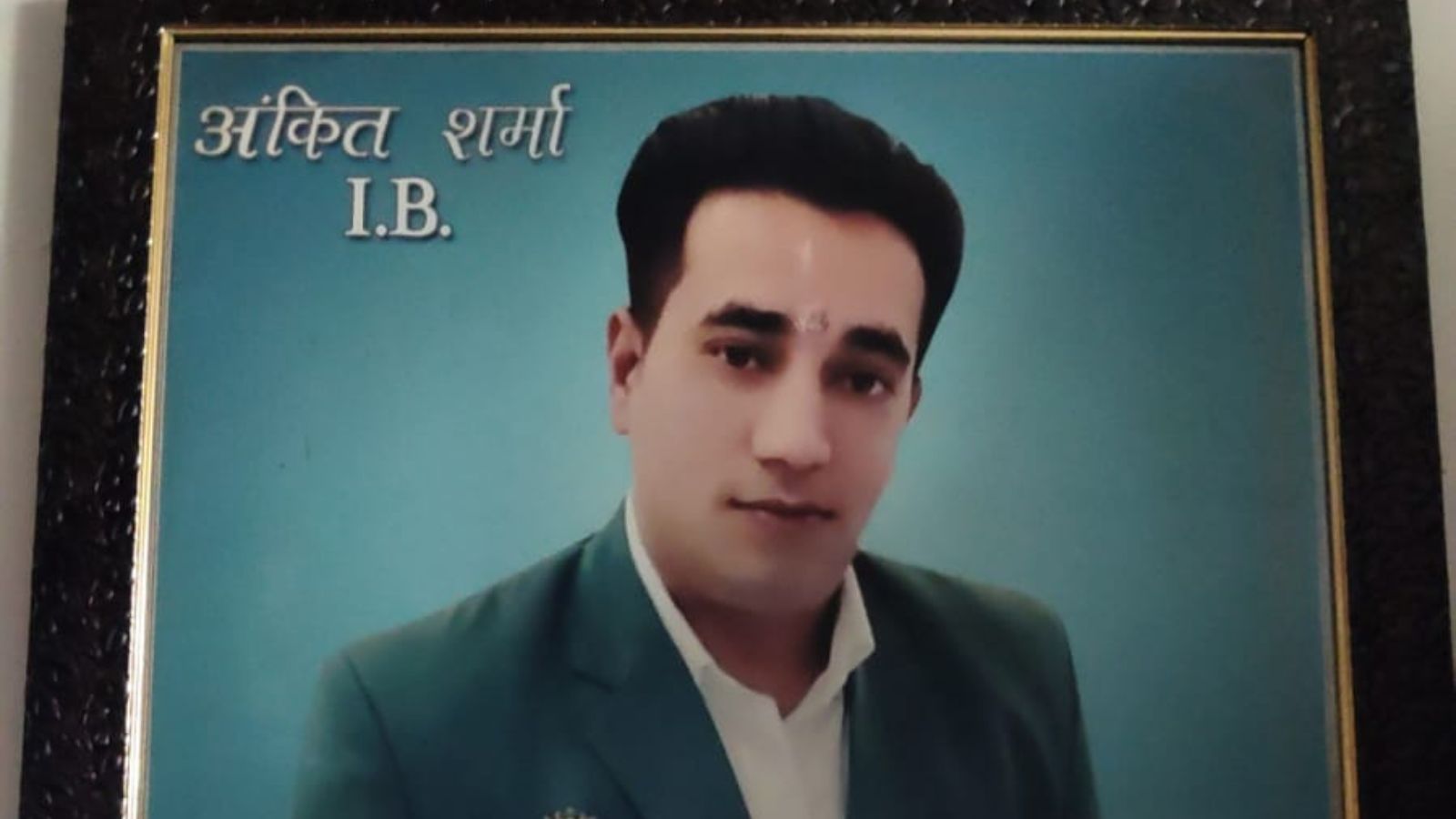
Two brothers challenge IB staffer murder conviction over sole witness

Delhi High Court admits appeals in Ankit Sharma murder case

Medical equipment worth crores found unused at Delhi government hospitals
