1 week ago
Ahmedabad Lab Demonstrates How Food Adulteration Is Detected

A food laboratory in Ahmedabad showed how to check chilli powder for unwanted ingredients.
The team performed a live test.
They used two chemicals called solvent ether and hydrochloric acid.
If the hydrochloric acid turned red, it meant the chilli powder contained a dye that is not allowed.
The laboratory also checked for other substances, such as starch.
These tests help identify whether food has been mixed with adulterants.
The demonstration focused on chilli powder.
The article’s headline also mentions milk, paneer and ghee, but the described test was for chilli powder.

An Ahmedabad food-adulteration laboratory demonstrated how adulterated chilli powder can be identified.
The demonstration involved testing chilli powder samples for non-permitted substances.
Solvent ether and hydrochloric acid were used during the testing process.
A red colour appearing in hydrochloric acid indicated a non-permitted oil-soluble dye.
Laboratory staff also examined samples for other adulterants, including starch.
- Who
- An Ahmedabad food-adulteration laboratory team and an officer conducted the demonstration.
- What
- They demonstrated how adulterated chilli powder can be detected, including testing for non-permitted dye and starch.
- Where
- At a food-adulteration laboratory in Ahmedabad.
- When
- Why
- To show how adulteration in chilli powder can be identified.
Key facts
- Location
- Ahmedabad
- Demonstration
- Live test for chilli powder adulteration
- Chemicals used
- Solvent ether and hydrochloric acid
- Red colour result
- Indicated a non-permitted oil-soluble dye
- Additional adulterant checked
- Starch
- Testing personnel
- Laboratory team and an officer
Sources
Related news

Uttar Pradesh Cracks Down on Adulterated Dairy Before Raksha Bandhan

Ahmedabad Intensifies Festival Food Checks, Seals Two Units
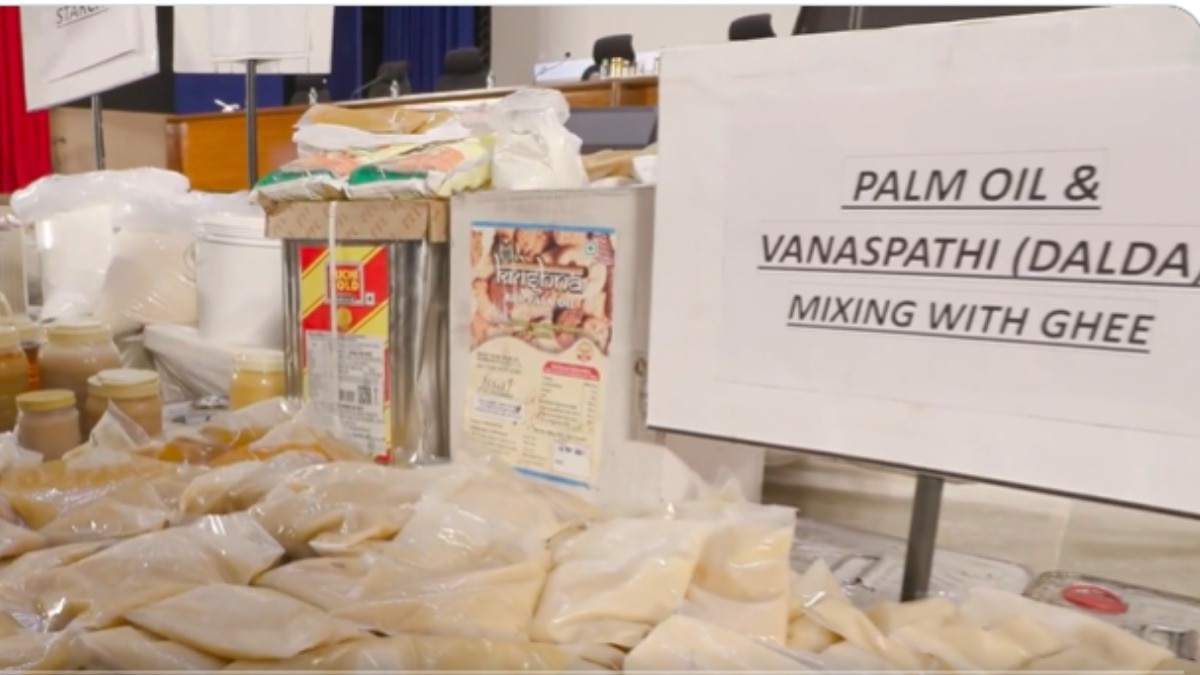
Hyderabad Police Seize 36 Tonnes in Adulterated Ghee Crackdown

Raid Exposes Fake Naati Ghee Production Unit in Chikkamagaluru

Maharashtra FDA chief reveals synthetic milk made with shampoo
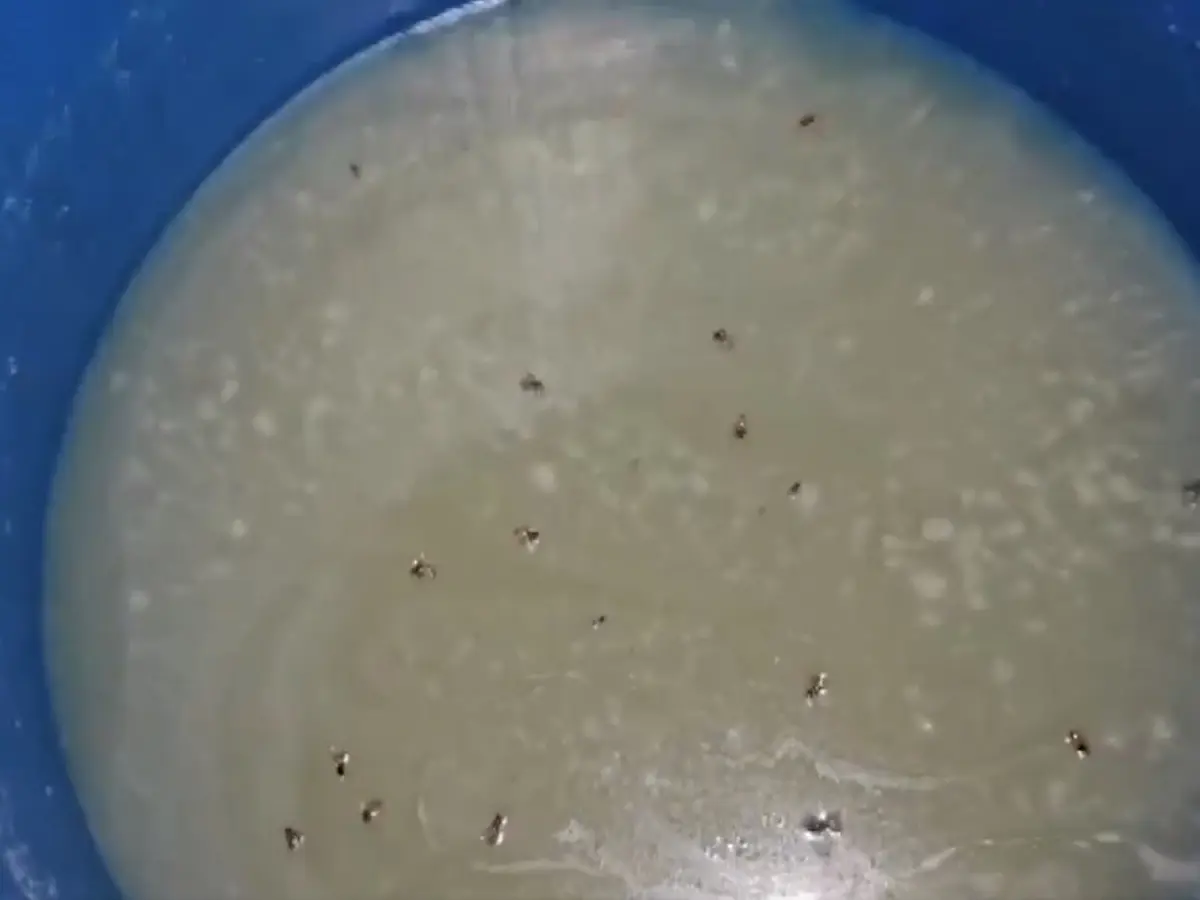
Food Safety Officials Destroy Adulterated Sweets Ahead of Festivals
IndiGo Plans Itanagar Flights to Six Major Indian Cities
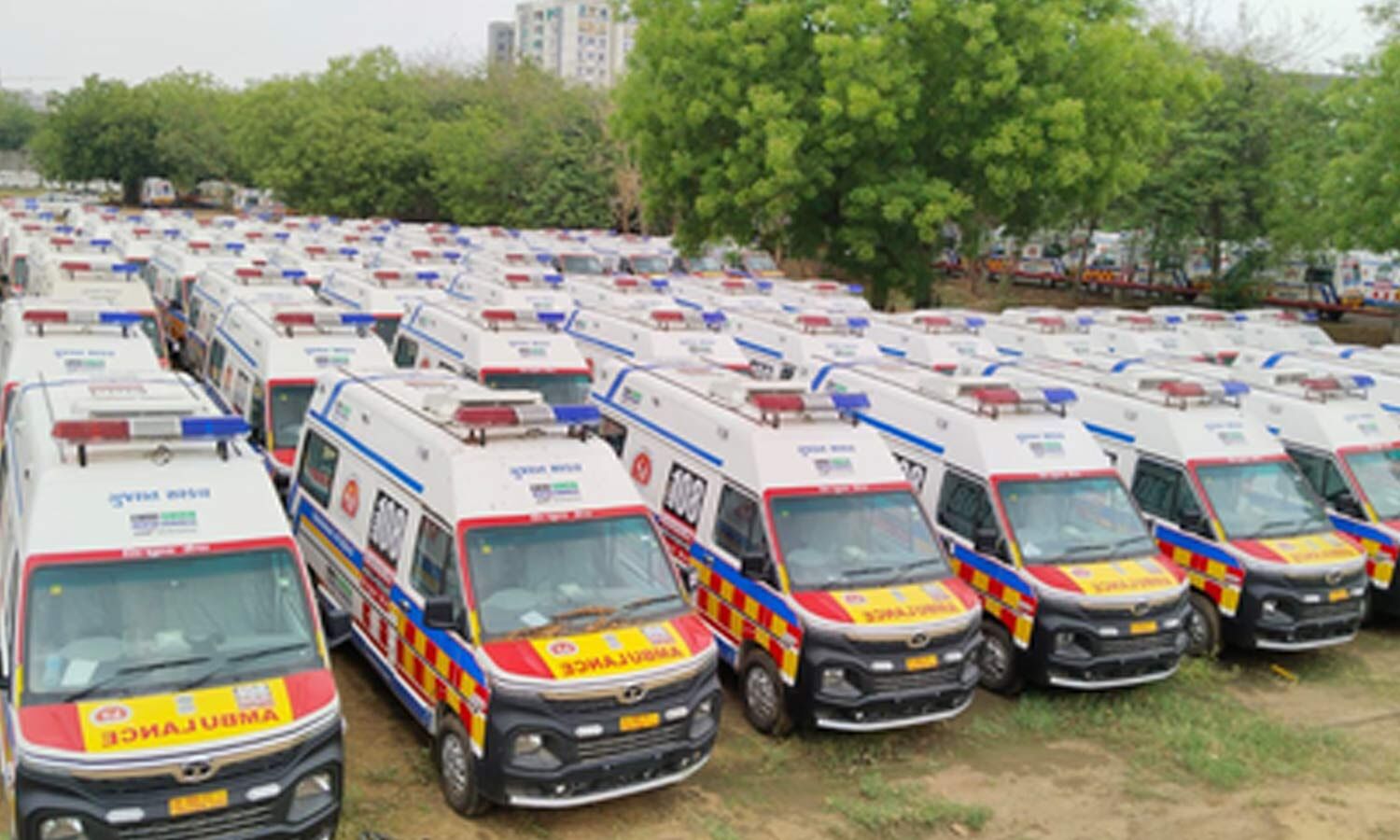
Gujarat Emergency Services Mark 19 Years Of Life-Saving Response

Five Vijay Kedia Portfolio Stocks With Changing Growth Prospects

DGCA Reports Serious Findings in Four Indian Airlines’ Audits

India Plans 100 New Airports Under Rs 30,000 Crore UDAN Expansion