

5 days ago
AI Allegations Shake France’s Breakout Novel and Literary Prizes
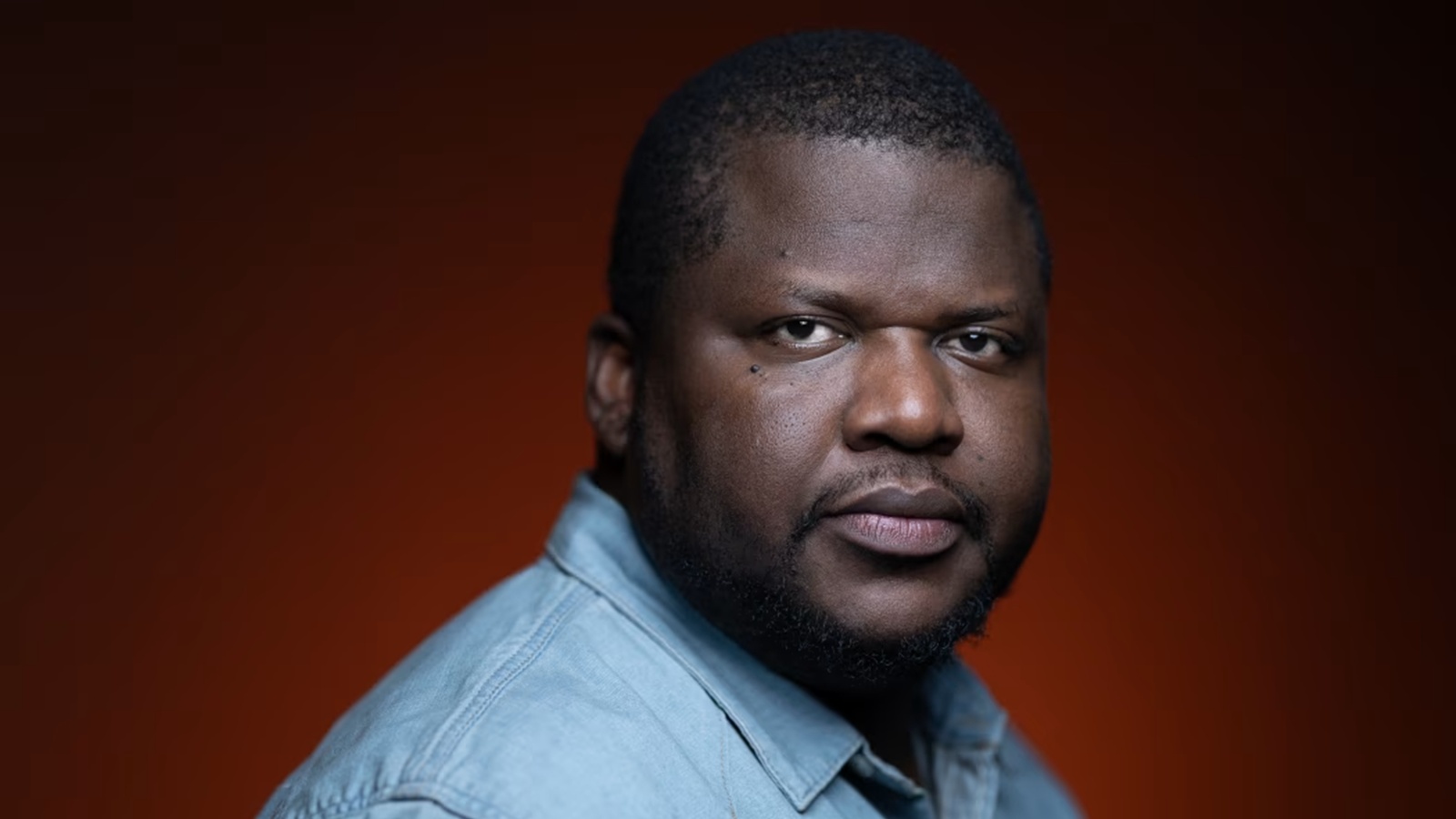
Thélyson Orélien wrote a popular novel about a Haitian man escaping violence and seeking a new life.
The book won several French literary prizes and sold many copies.
Someone online claimed a computer program wrote most of it.
Orélien says he wrote the novel himself, beginning in 2017.
He says its unusual style comes from Haitian and Caribbean writing traditions.
Other reports later accused him of copying parts of older journalism articles.
His Canadian publisher stopped promoting the book for now, but the book remains for sale.
Experts and news organizations received very different results from AI-detection programs.
France’s Goncourt academy says it will reconsider the book only if strong proof appears.

Haitian-Canadian author Thélyson Orélien denies claims that AI wrote his prize-winning debut novel.
The novel received a 100% AI score from Pangram in tests shared online, while other detectors produced conflicting results.
Separate reports identified alleged plagiarism in two of Orélien’s journalism pieces published more than a decade ago.
Canadian publisher Éditions du Boréal suspended promotion, while French publisher Grasset expressed confidence in Orélien.
The Académie Goncourt kept the novel on its longlist but said it would act if irrefutable AI evidence emerges.
- Who
- Haitian-Canadian author Thélyson Orélien, his publishers, literary organizations, and critics making AI and plagiarism allegations.
- What
- A controversy concerns whether Orélien’s debut novel used artificial intelligence and whether earlier journalism contained plagiarized material.
- Where
- The controversy involves France and Canada; the novel is set in Port-au-Prince, Haiti.
- When
- The AI accusation was posted on September 21, 2026; plagiarism reports and the promotional suspension followed within days.
- Why
- The dispute began after AI-detection tests reportedly flagged passages from the novel, then expanded when media identified alleged copying in older articles.
Accusers and skeptics
Author and defenders
Whether AI wrote the novel
Accusers and skeptics
The account Balance ton Claude and several news organizations reported very high Pangram scores, including 100% for excerpts and 94% for the full novel in one test.
Author and defenders
Orélien says he began the novel in 2017 and completed a first draft in 2019, before generative AI tools became widely available, and says he wrote it himself.
Reliability of detection tools
Accusers and skeptics
Pangram’s results were reproduced by several outlets, and some tests using other tools also classified passages as highly likely to be AI-generated.
Author and defenders
AFP’s verification tool judged excerpts very probably human-written, while seven other detectors produced sharply different results; experts also warn that unusual language patterns can trigger false positives.
Interpretation of the controversy
Accusers and skeptics
Critics point to the AI scores and separate reports alleging that older journalism was copied from other articles.
Author and defenders
Orélien says the novel’s style reflects Haitian and Caribbean literary traditions, while supporters and Académie Goncourt president Philippe Claudel have questioned the accusation’s timing and urged caution.
Key facts
- Novel
- C’était ça ou mourir, translated as It Was Either That or Die
- Author
- Thélyson Orélien, born in Gonaïves, Haiti, in 1988
- French publication
- Published by Grasset on August 19, 2026
- Sales
- Nearly 32,000 copies sold in France by mid-September
- Literary recognition
- Winner of four French prizes and longlisted for the Goncourt, Médicis, Femina, Renaudot, and Prix Décembre
- AI testing
- Pangram returned scores of 94% for the full novel in one test and 100% for excerpts in several tests, while other detectors disagreed
- Publishing response
- Éditions du Boréal suspended promotion but kept the book on sale; Grasset expressed absolute confidence in Orélien
Quotes
Thélyson Orélien
Haitian-Canadian author of C’était ça ou mourir
“I have always loved creation and writing. I can’t see why I would feel compelled to use a machine.”
 indianexpress.com
“I did not expect attacks of this kind. I am not sad, but angry.”
indianexpress.com

Philippe Claudel
President of the Académie Goncourt
“Let’s not throw opprobrium immediately on an author whose book is currently riding high. I always give the benefit of the doubt to those who are thrown to public opinion like this.”
indianexpress.com
Sources
Related news

French Author Accused of Using AI for Debut Novel

Publishing Debate Grows Over Writers’ Use of AI

AI Bans Cannot Solve Reading’s Decline in Digital Society
Tilly Norwood’s Language Switch Surprises Piers Morgan Interview

'Oreogate' Viral Saga Revealed as Paid Suno Partnership
