1 hr ago
Former Judge Says Voter Burden Undermines Democratic Institutions
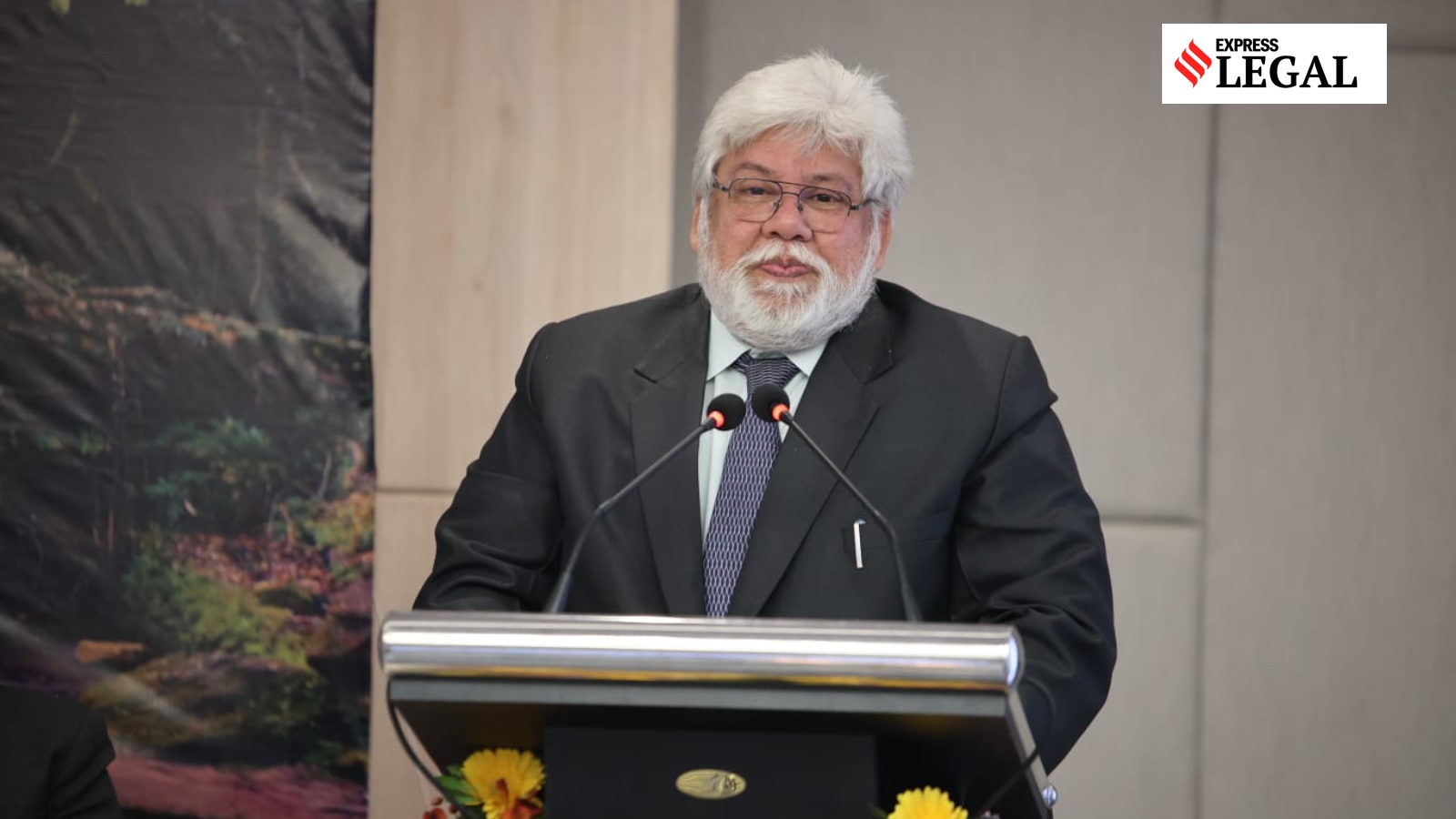
Former judge Sanjib Banerjee is worried about changes to how voter lists are checked in India.
He says citizens should not have to prove they deserve the right to vote.
He believes the Constitution gives adults the right to vote unless a law disqualifies them.
The Supreme Court has supported checking the voter lists, but Banerjee says it did not approve every form or step used.
The court is still considering related concerns, and that takes time.
Banerjee also points to reported voter exclusions and burned voting machines in West Bengal.
He says problems like these can make people trust election institutions less.
He says strong and trusted institutions are important for democracy.

Former Chief Justice Sanjib Banerjee says the Election Commission wrongly shifted the burden of proving voter eligibility onto citizens.
He argues Articles 325 and 326 entitle citizens aged 18 or older to vote unless legally disqualified.
Banerjee says the Supreme Court upheld the Special Intensive Revision process but did not approve Form 6 changes or its detailed procedures.
He says the court is reviewing concerns about Election Commission decision-making and will need time to consider the record.
Banerjee cites reported voter exclusions, burned EVMs and official appointments in West Bengal as issues that could weaken public confidence.
- Who
- Former Meghalaya and Madras High Court Chief Justice Sanjib Banerjee, the Election Commission and the Supreme Court.
- What
- Banerjee criticized the burden placed on voters during the Special Intensive Revision and raised concerns about Form 6 and trust in election institutions.
- Where
- India, with specific concerns also discussed about West Bengal and Banerjee's Bhabanipur constituency.
- When
- In an interview published amid Supreme Court hearings on the issue; the article does not give a publication date.
- Why
- Banerjee says voter eligibility procedures and controversies around election institutions could affect voting rights and public confidence.
Banerjee's concerns
Election Commission's reported position
Supreme Court's consideration of Form 6
Banerjee's concerns
Banerjee says the Court affirmed the SIR process but did not approve the specific Form 6 changes or other modalities.
Election Commission's reported position
The Election Commission reportedly issued a press release saying the Supreme Court had upheld the changes to Form 6.
Authority over form changes
Banerjee's concerns
Banerjee says the two other election commissioners reportedly argued that the government controlled the form's contents and that the Chief Election Commissioner should not change them unilaterally.
Election Commission's reported position
The Election Commission relied on its authority to conduct the SIR; the article does not provide a direct response from the Chief Election Commissioner to Banerjee's criticism.
Key facts
- Interviewee
- Sanjib Banerjee, former Chief Justice of the Meghalaya and Madras High Courts
- Issue
- Special Intensive Revision (SIR) of electoral rolls and changes to Form 6
- Constitutional provisions cited
- Articles 325 and 326
- Supreme Court position, as described by Banerjee
- It affirmed the SIR process but did not expressly approve Form 6 changes or the exercise's detailed modalities.
- Bhabanipur margin
- Banerjee said the election margin in his home constituency was 15,000.
- Reported excluded voters in Bhabanipur
- Banerjee cited about 40,000 or 44,000 excluded voters.
- EVMs reportedly burned
- Banerjee cited an estimate of 2,500 to 4,000 machines burned in a fire at a government building in Kolkata.
Quotes
Sanjib Banerjee
Former Chief Justice of the Meghalaya and Madras High Courts
“The most important thing which has happened, and which requires course correction, is the Election Commissioner or the Election Commission, quite wrongly and illegally putting the burden on the citizen to prove that he has a right to vote, rather than following Articles 325 and 326 of the Constitution, where every citizen who’s attained the age of 18 is entitled to vote unless disqualified by the Constitution or by any law brought by the appropriate legislature.”
 indianexpress.com
“At the end of the day, if these institutions are undermined, there is nothing left in democracy.”
indianexpress.com
Sources
Related news
Supreme Court Says It Never Approved Modified Form 6
Form 6 Dispute Intensifies Scrutiny of India’s Election Commission

Supreme Court Scrutiny Intensifies Over Election Roll Revision
Supreme Court Says It Did Not Approve Form 6 Changes
India's Controversial Electoral Roll Revision Faces Internal and Public Scrutiny
Former Bengal Election Chiefs Raise Concerns Over SIR
Uniform Impersonation Calls Ahead of Delhi Protest Raise Legal Questions

BJD Rejects Odisha Bandh After Joining Delhi Opposition Protest
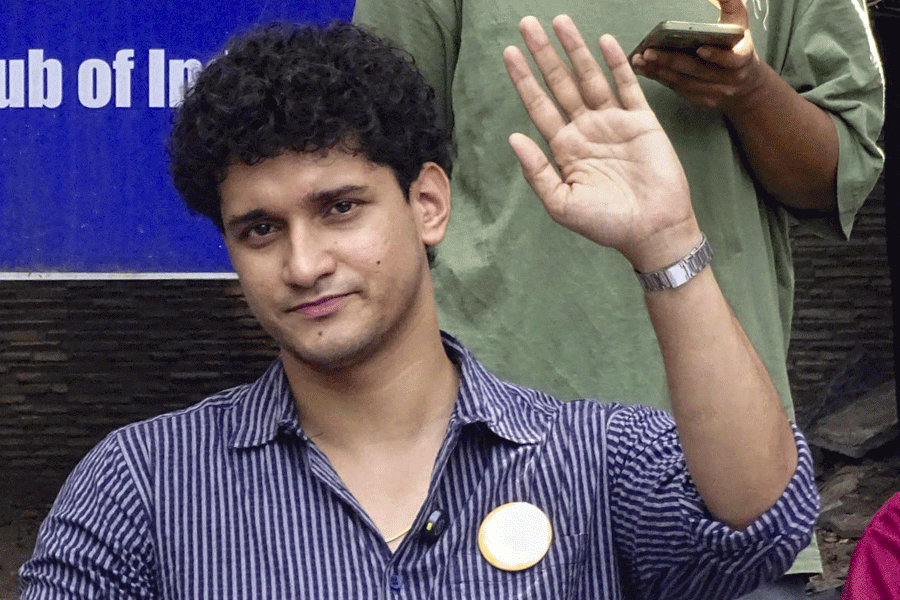
CJP and Student Groups Prepare for October 10 Election Commission Protest
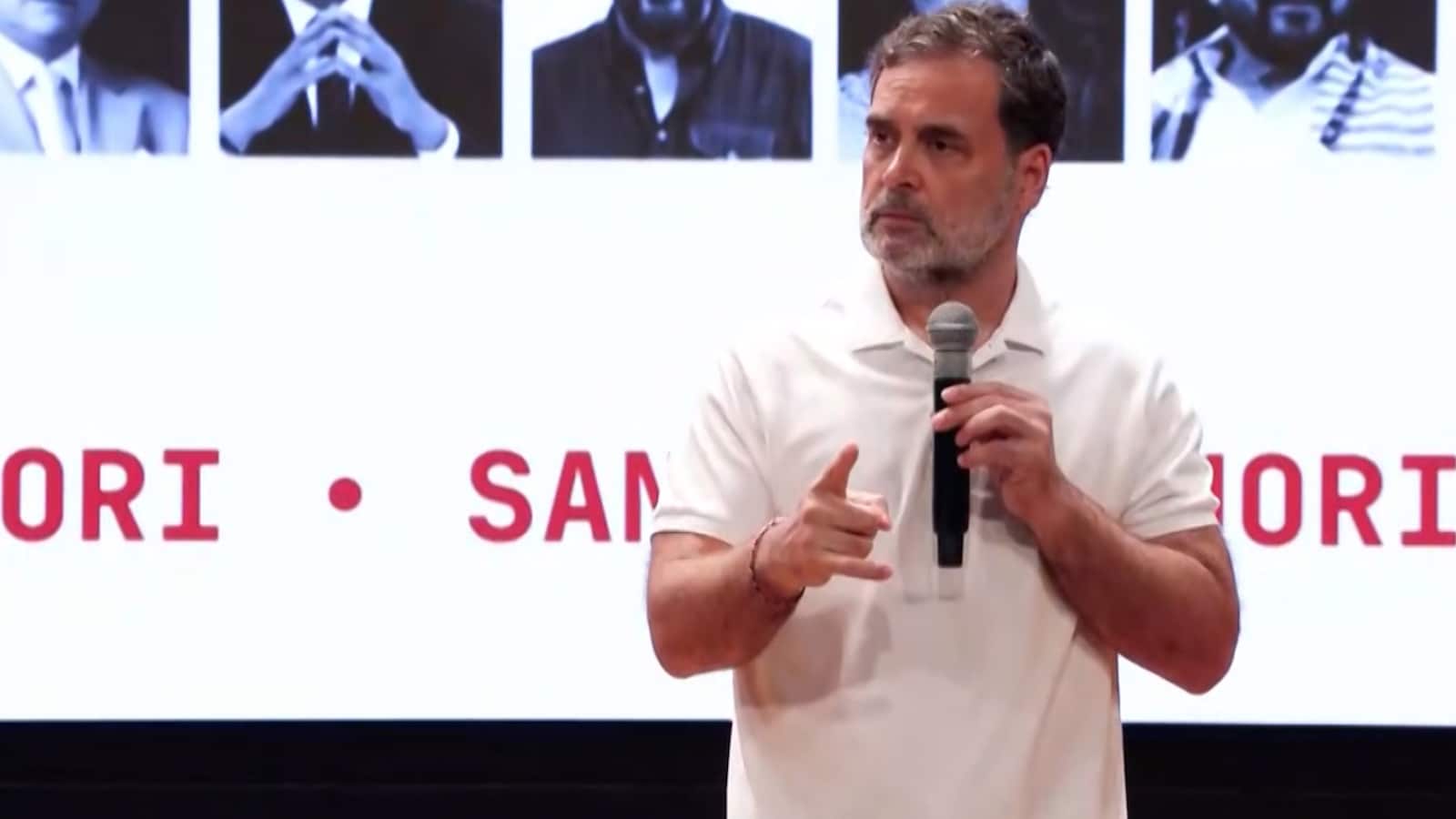
Gyanesh Kumar Row Reunites India’s Opposition, but Tests Remain
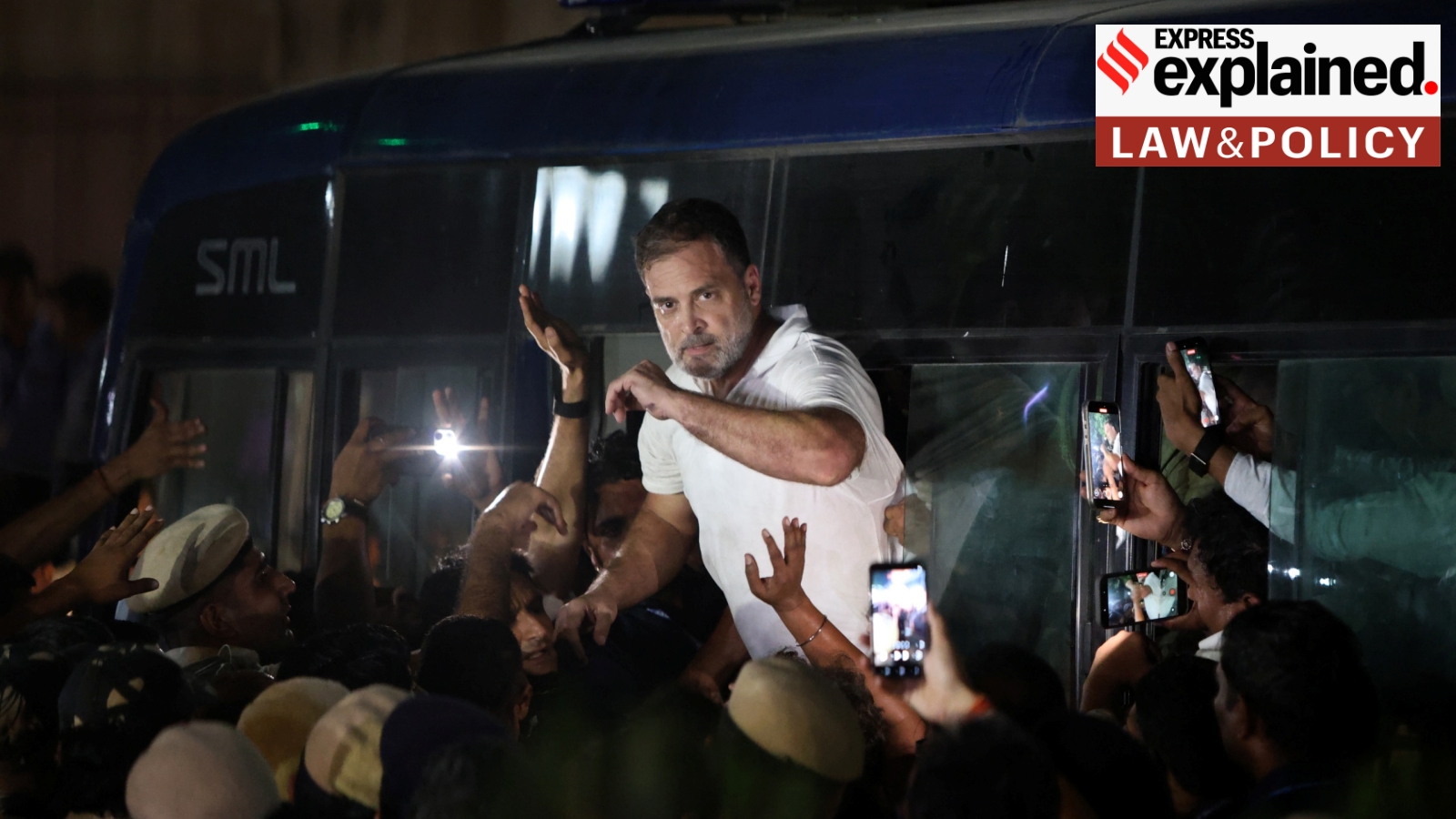
Rahul Gandhi Protest Raises Questions About Detention and Arrest