1 hr ago
Rahul Gandhi Protest Raises Questions About Detention and Arrest
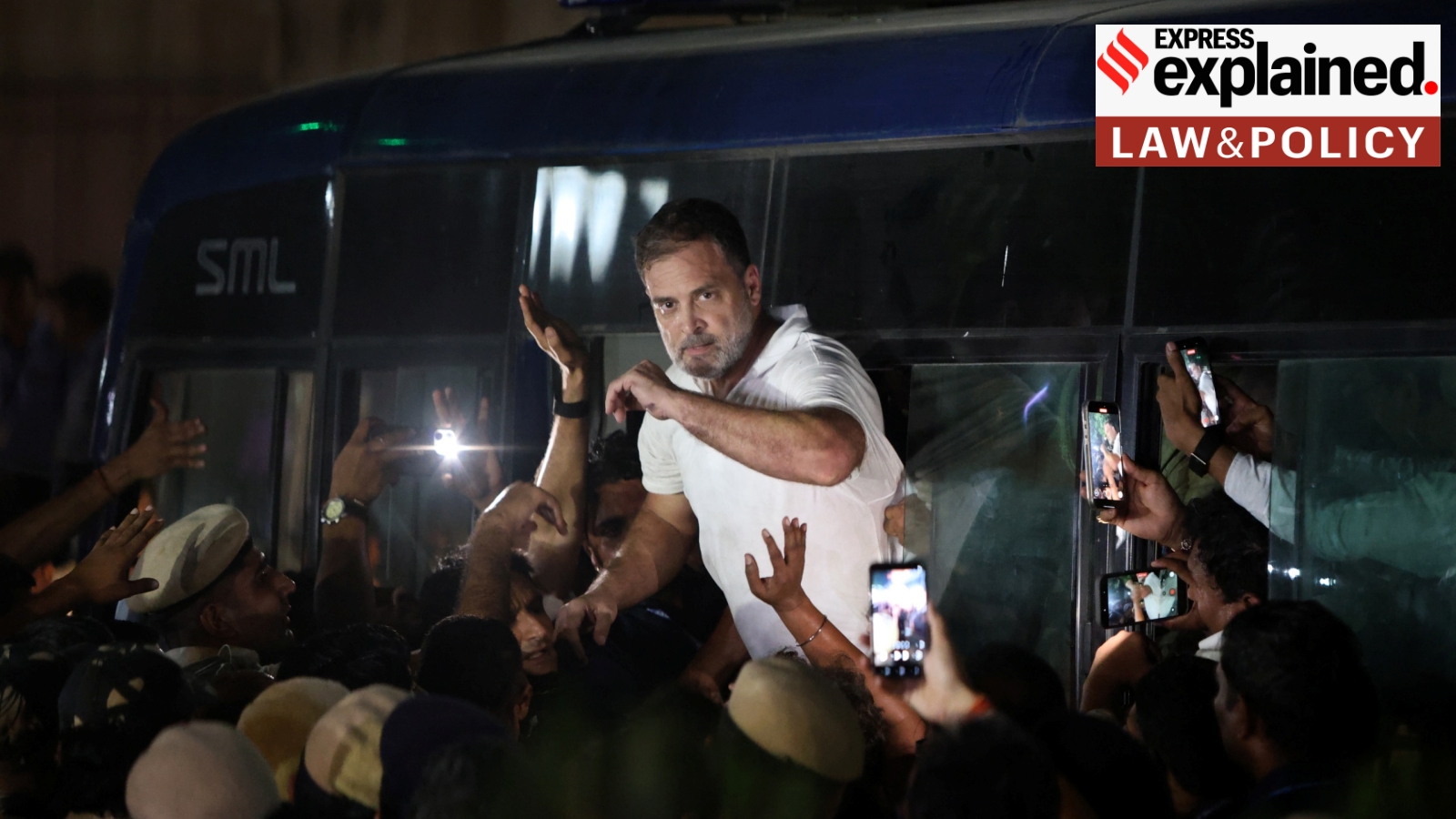
Rahul Gandhi and other opposition leaders protested in a government building in New Delhi.
Police took them away, an action described as detention.
The article explains that detention and arrest are not necessarily the same thing.
An arrest is a formal step connected to an alleged offence, while police may also temporarily move or hold someone under certain legal powers.
Those powers have limits, and police must be able to explain why restricting someone’s freedom was necessary.
The article says people who are arrested have rights, including being told why, speaking with a lawyer, and being brought before a magistrate within 24 hours.
Courts have also set rules to protect people in custody.
A lawyer quoted in the article argues that short-term detention of protesters can be unlawful if police lack a proper legal basis.

Rahul Gandhi protested for nearly eight hours at Akashvani Bhavan, demanding Chief Election Commissioner Gyanesh Kumar’s resignation over alleged irregularities in the Election Commission’s SIR exercise.
Delhi Police detained Gandhi, Priyanka Gandhi Vadra and other opposition leaders; the next day, police registered a trespass case concerning the premises.
The article explains that arrest is formal custody linked to an offence, while police may use certain BNSS powers to temporarily stop, remove or hold people.
Under BNSS Sections 170 and 172, police have specified preventive powers; Section 172 requires a person to be taken before a magistrate or, in petty cases, released within 24 hours.
The article outlines protections including information about arrest grounds, access to a lawyer, production before a magistrate within 24 hours, and safeguards set out by the Supreme Court.
- Who
- Rahul Gandhi, Priyanka Gandhi Vadra and other opposition leaders were detained by Delhi Police; the article also discusses rights of people detained or arrested.
- What
- The article explains the legal difference between detention and arrest, police powers around protests, and safeguards for people in custody.
- Where
- Akashvani Bhavan and New Delhi, India.
- When
- Rahul Gandhi protested on Tuesday; police registered a trespass case the following day, October 7. The article also says Delhi Police imposed a BNSS Section 163 order on October 2.
- Why
- Gandhi sought the Chief Election Commissioner’s resignation over alleged irregularities in the Election Commission’s Special Intensive Revision exercise; the article examines the legal basis and rights involved in protest-related detentions.
Police Preventive Powers
Concerns About Protester Rights
Legal basis for temporary detention
Police Preventive Powers
The article says police may use BNSS powers to prevent an offence or to remove or detain someone who disregards a lawful direction.
Concerns About Protester Rights
Advocate Soutik Banerjee argues that brief custody of protesters without a proper basis for arrest is unlawful and can evade scrutiny.
Restrictions at protests
Police Preventive Powers
Police may invoke preventive powers when people refuse to disperse or continue activity prohibited by an order, the article says.
Concerns About Protester Rights
The article notes court rulings that police action must not be arbitrary and that protest restrictions should regulate, rather than eliminate, the right to protest.
Key facts
- Protest duration
- Nearly eight hours
- Protest location
- Akashvani Bhavan, New Delhi
- Demand
- Rahul Gandhi sought the resignation of Chief Election Commissioner Gyanesh Kumar over alleged irregularities in the SIR exercise.
- Case registered
- Police registered a trespass case concerning Akashvani Bhavan premises on October 7.
- BNSS Section 172
- Allows police to detain or remove people resisting or disregarding a lawful direction; they must be taken before a magistrate or released within 24 hours in petty cases.
- Article 22
- Provides protections including information about grounds of arrest, legal representation and production before a magistrate within 24 hours.
- Legal aid
- The article says free legal aid is available at the State’s cost to people who cannot afford a lawyer.
Quotes
Soutik Banerjee
Advocate commenting on the legality of protest-related detentions
“If you cannot make out a case for arresting someone, you cannot wrongfully restrain or confine them. It is high time courts questioned these actions of the police.”
 indianexpress.com
Sources
Related news

Rahul Gandhi and Priyanka Detained After Hours-Long SIR Protest

Rahul Gandhi Detained After Protest Seeking Election Commission Meeting
Rahul Gandhi Detained During Protest Against Election Chief
Delhi Police Detain Hundreds at SIR Protest on Gandhi Jayanti
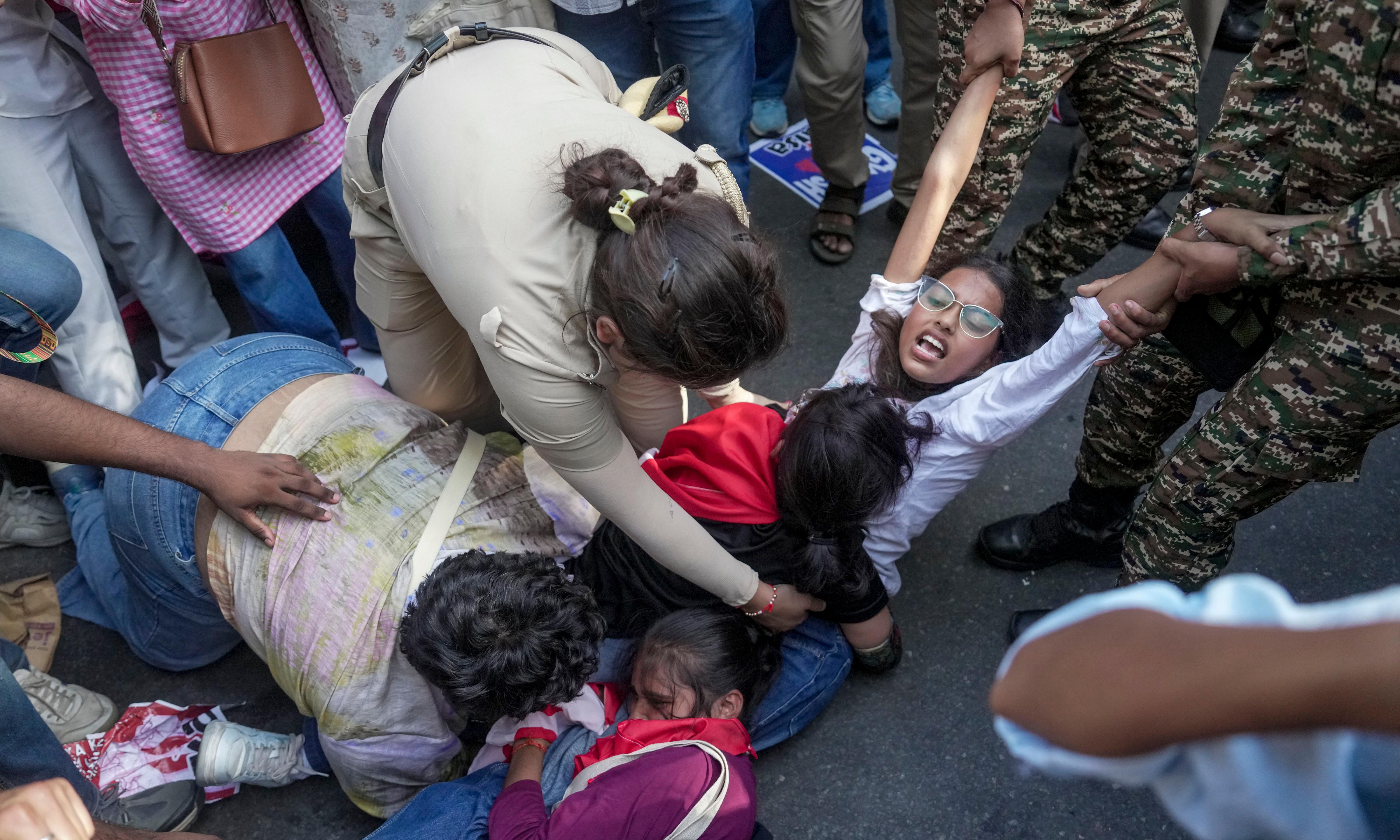
Nearly 200 Detained as Protesters Return to Jantar Mantar
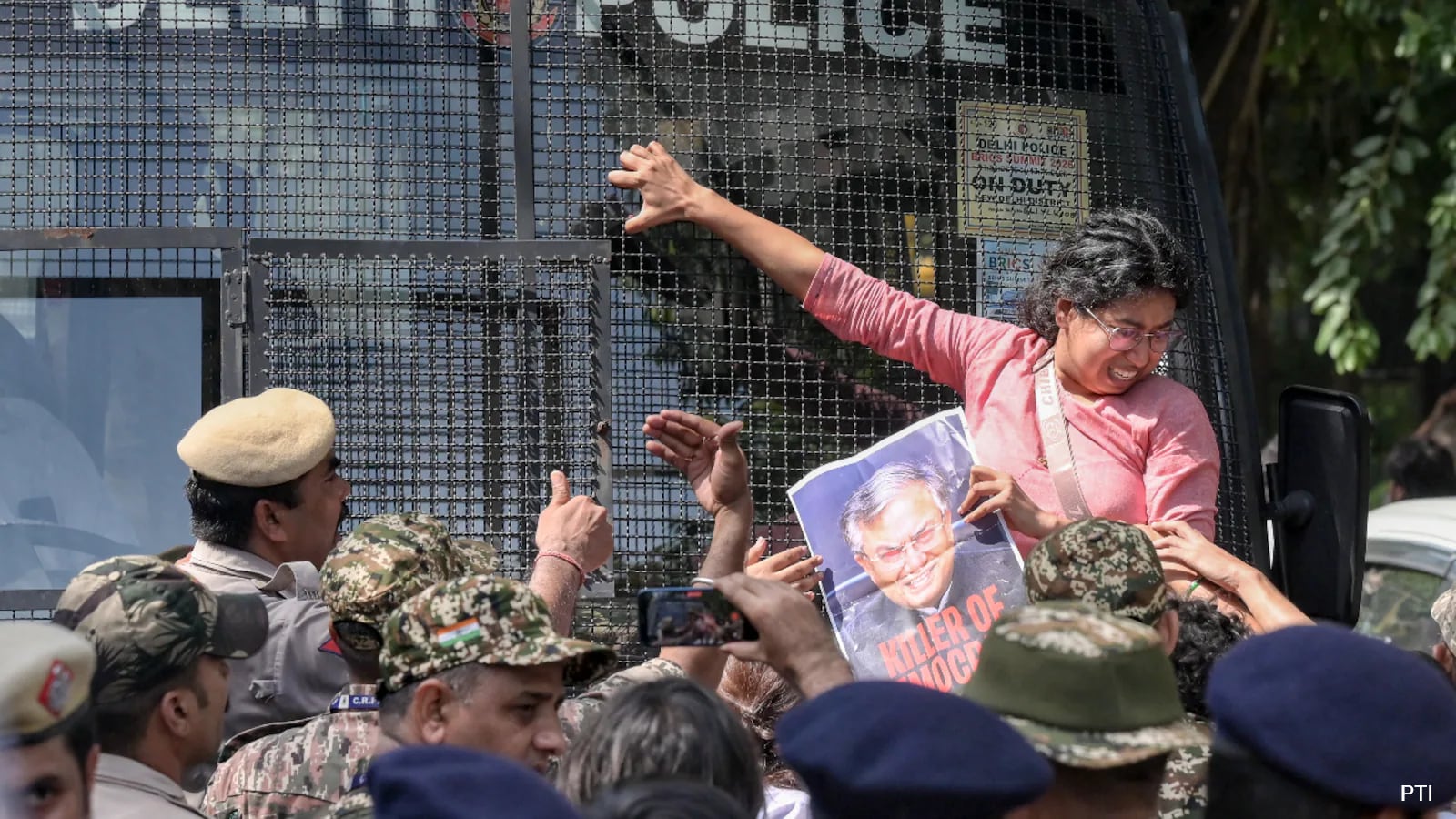
Delhi Police Detain Nearly 1,000 in Jantar Mantar Protest
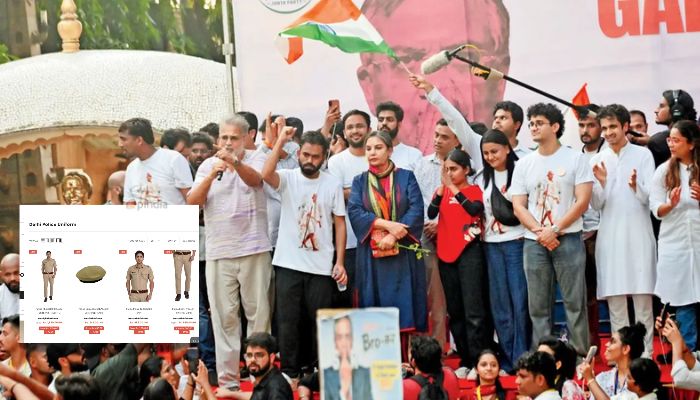
Uniform Impersonation Calls Ahead of Delhi Protest Raise Legal Questions

BJD Rejects Odisha Bandh After Joining Delhi Opposition Protest
CJP and Student Groups Prepare for October 10 Election Commission Protest
Gyanesh Kumar Row Reunites India’s Opposition, but Tests Remain