2 weeks ago
Govt wants debate, Rahul Gandhi-led Opposition refuses in Parliament

The Indian Parliament is like a big meeting where the government and other leaders talk about important things that affect people.
Normally, the leaders who are not in the government want to talk about problems, and the government does not want to.
This time, it was the opposite: the government wanted to talk, but the other leaders said no.
The other leaders, led by Rahul Gandhi, wanted the government to fix some things first.
They said the police fired at students who were upset about an exam paper leak, and someone should say who said to do that.
They also wanted the Prime Minister to say sorry to the students, and wanted answers about money donated to a big temple in Ayodhya.
The government said, let us talk about all this in the meeting, but the other leaders refused.
Both sides blamed each other, and the meeting did not solve the problem.
In the end, neither the government nor the other leaders got what they wanted.

In a role reversal, the government repeatedly sought parliamentary debate while the Rahul Gandhi-led Opposition declined during the Monsoon session.
The Opposition set three "non-negotiable" terms: Amit Shah must clarify who authorised police firing on students, PM Modi must apologise, and there must be accountability over alleged theft of Ram Mandir donations.
The government invoked NEET-UG paper leak and alleged Ayodhya Ram Mandir donation misappropriation as issues the Congress hopes will impact upcoming state elections, especially in Uttar Pradesh.
Union ministers Kiren Rijiju and J.P. Nadda, along with Speaker Om Birla, held several meetings to resolve the impasse, but the Opposition dismissed government overtures as "fantasy conversations".
BJP leaders accused the Opposition of running away from debate, politicising sensitive issues, and using Parliament as a campaign stage; the INDIA bloc is expected to amplify the issues in poll-going states.
Rahul Gandhi's earlier allegations about the Election Commission's Special Intensive Revision of voters' list made little electoral impact in Kerala and Tamil Nadu.
The government tried to merge the paper leak debate with legislation on fast-track courts to address the controversy within parliamentary procedure.
- Who
- The Union government and its ministers, led by Prime Minister Narendra Modi and Home Minister Amit Shah, and the Rahul Gandhi-led Opposition, comprising the Congress and the INDIA bloc.
- What
- The government sought parliamentary debate on contentious issues such as the NEET-UG paper leak and alleged Ram Mandir donation misappropriation, while the Opposition declined unless its three non-negotiable conditions were met.
- Where
- Parliament in New Delhi, including in the office of Speaker Om Birla.
- When
- During most of the Monsoon session of Parliament.
- Why
- The Opposition wanted to keep the spotlight on alleged government failures and sharpen electoral issues ahead of upcoming Assembly elections, while the government aimed to clarify its position in a procedural debate.
Pro-debate: Government and BJP
Anti-debate: Rahul Gandhi-led Opposition
Holding a parliamentary debate
Pro-debate: Government and BJP
The government repeatedly invited the Opposition to a discussion and offered to state answers in the House; merging the paper leak issue with fast-track court legislation showed willingness to address it within parliamentary procedure.
Anti-debate: Rahul Gandhi-led Opposition
The Opposition refused a debate, insisting on "non-negotiable" accountability terms first and calling the government's overtures "fantasy conversations".
Opposition's three conditions
Pro-debate: Government and BJP
The government saw the conditions as effectively requiring the House to "frame" charges without giving members or the government a chance to be heard.
Anti-debate: Rahul Gandhi-led Opposition
The Opposition demanded that Amit Shah clarify who authorised police firing on protesting students, that PM Modi apologise to students, and that there be accountability for alleged theft of donations at the Ayodhya Ram Mandir Trust.
Using Parliament for politics
Pro-debate: Government and BJP
BJP leaders accused the Opposition of running away from debate, politicising sensitive issues, and using Parliament as a campaign stage rather than a forum for solutions.
Anti-debate: Rahul Gandhi-led Opposition
The Opposition framed the BJP as evasive and complicit, seeking to keep headlines focused on government silence and to position Rahul Gandhi as a voice of accountability.
Key facts
- Event
- Monsoon Session of Parliament, marked by a debate deadlock
- Role Reversal
- Government sought debate; Opposition declined
- Leader of Opposition (Lok Sabha)
- Rahul Gandhi
- Prime Minister
- Narendra Modi
- Home Minister
- Amit Shah
- Contentious Issues
- NEET-UG paper leak; alleged misappropriation of Ram Mandir donations in Ayodhya
- Opposition's Conditions
- Three non-negotiable clauses before any discussion
- Mediators
- Speaker Om Birla, Union Minister Kiren Rijiju, Leader of the House in Rajya Sabha J.P. Nadda
Quotes

Rahul Gandhi
Leader of the Opposition in Lok Sabha, Congress
“"fantasy conversations"”
 thehansindia.com
Sources
Related news

BJP accuses Rahul Gandhi of changing goalposts over Monsoon Session

Rahul Gandhi Rejects Government Outreach, Parliament Deadlock Continues
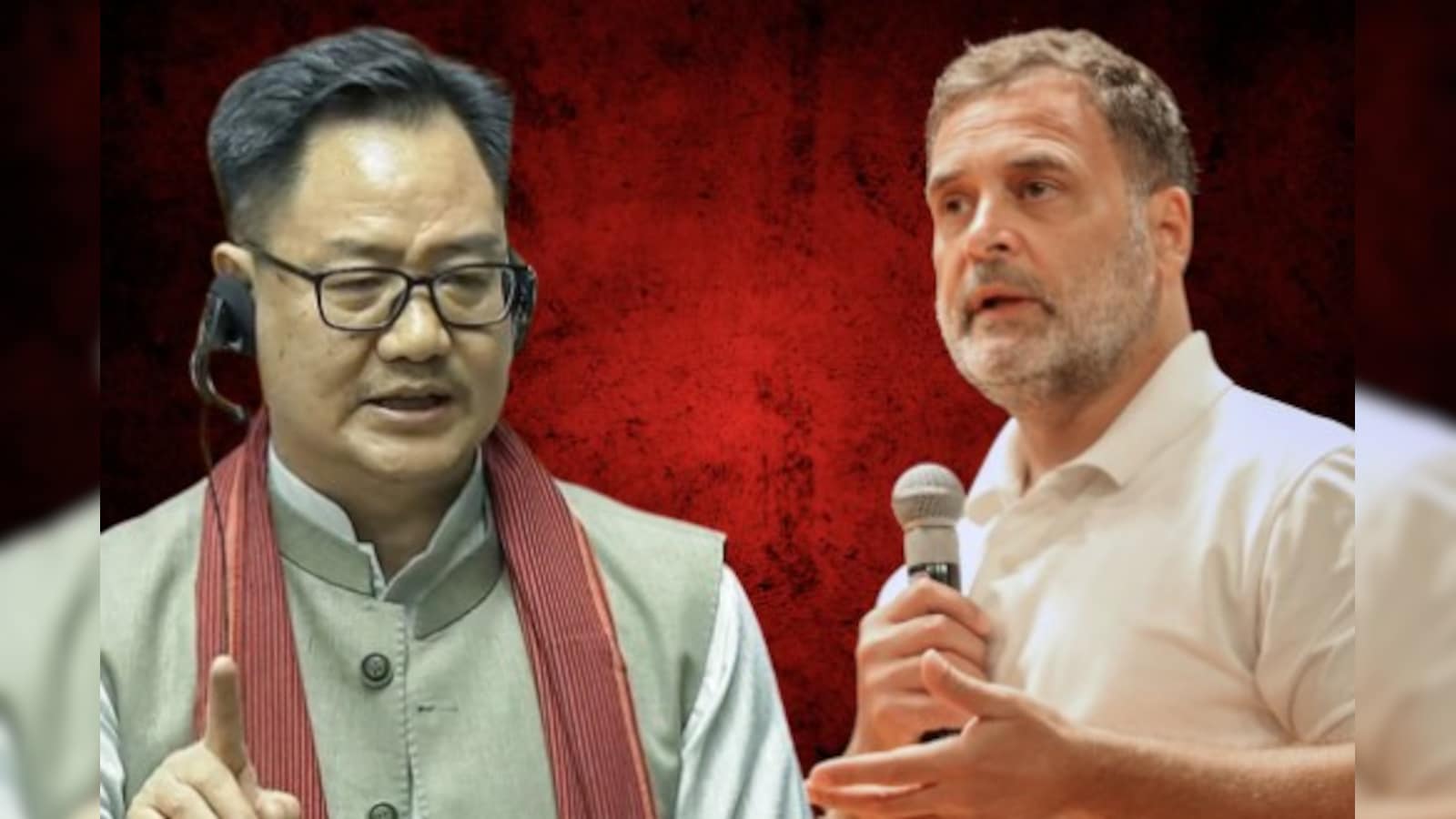
Minister Frustrated as Government Wants Debate, Opposition Refuses

Meghwal blames Rahul Gandhi for Parliament ruckus and stalled debates

India Parliament Monsoon Session Ends Amid Govt-Opposition Standoff

BJP challenges Rahul Gandhi to join NEET debate in Parliament
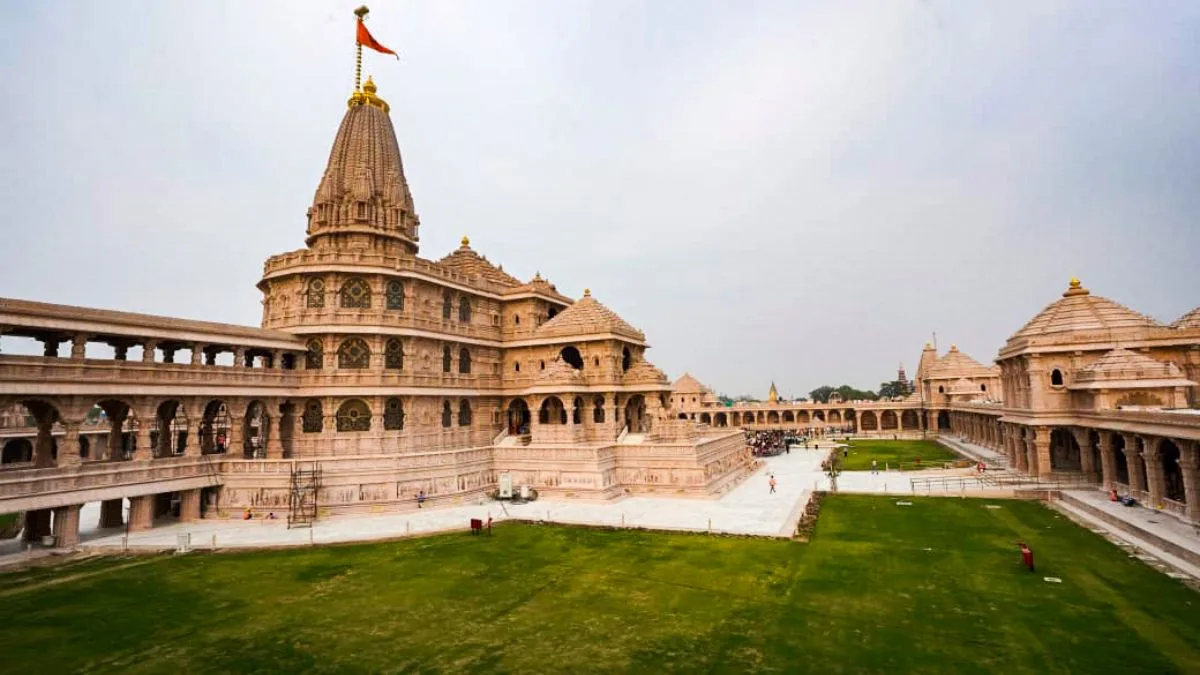
Ayodhya Temple CEO Appointment Faces Opposition Donation Allegations
Telangana BJP Alleges Congress, BRS Avoid Hyderabad Liberation Day
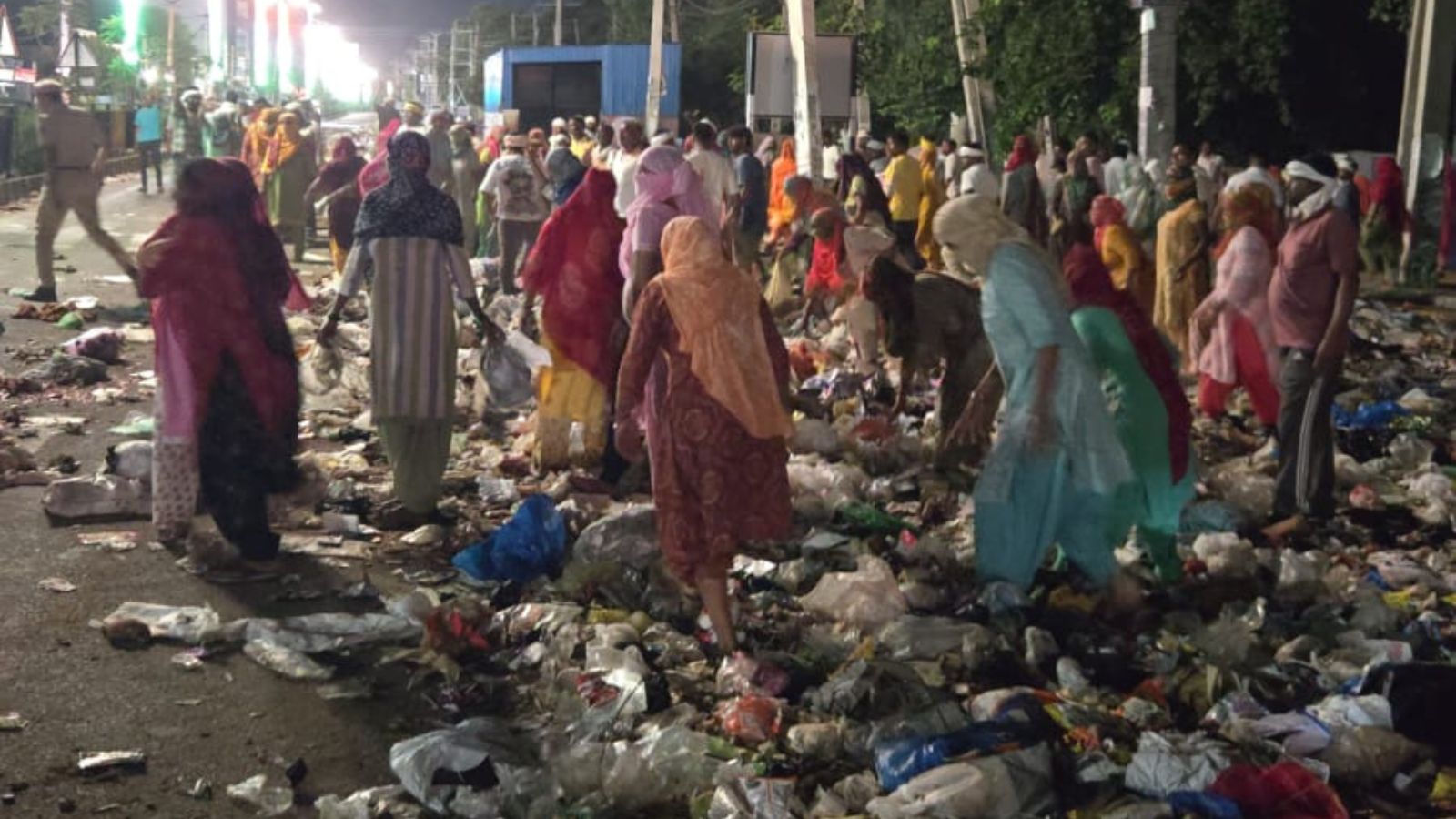
Haryana sanitation workers’ strike puts BJP government under pressure

Rival NC-BJP Protests Roil J&K as Police Halt Marches
Shivakumar Calls BJP Padayatra Cover-Up for Internal Crisis