

15 hrs ago
India Death Certificates: Registration, Documents And New Delay Rules

A death certificate is an official record that confirms someone has died.
Families may need it to claim insurance, provident fund, investments and other assets.
It can also help with property, loans and tax matters.
The death must be registered with the local authority where it happened.
This authority may be a municipality, panchayat or municipal corporation.
Hospitals usually provide a medical certificate when a death occurs there.
Applicants generally submit information about the deceased and the person reporting the death.
From 1 October 2026, extra official approvals will be needed when registration is delayed.
Delays of more than two years will require an order from a Judicial Magistrate First Class.

Death registration is mandatory under the Registration of Births and Deaths Act, 1969.
Applications are submitted to the local authority where the death occurred, such as a municipality or panchayat.
Hospitals generally provide the medical certification of the cause of death and follow the required reporting process.
Applicants typically need medical certification, details of the deceased and reporter, and a completed application.
From 1 October 2026, delayed registrations will require magistrates’ orders, with stricter requirements for delays exceeding two years.
- Who
- Families or other applicants reporting a death, together with the relevant local registration authority.
- What
- Registering a death and obtaining an official death certificate, including new rules for delayed registration.
- Where
- With the Registration of Births and Deaths authority in the area where the death occurred, including a municipal corporation, municipality or panchayat.
- When
- The rules described take effect on 1 October 2026; death registration is otherwise required under the 1969 Act.
- Why
- The certificate is needed for matters including insurance, provident funds, investments, taxes, property redistribution, loans and liabilities.
Key facts
- Legal requirement
- Death registration is mandatory under the Registration of Births and Deaths Act, 1969.
- Registration location
- The death is registered with the designated local authority where it occurred.
- Common authorities
- Depending on the location, registration may be handled by a municipal corporation, municipality or panchayat.
- Typical documents
- Medical or cause-of-death certificate, details of the deceased, reporter identification details, the prescribed application and other supporting documents.
- Delay of over one year to two years
- An order from the District Magistrate, Sub-Divisional Magistrate or an authorised Executive Magistrate will be required from 1 October 2026.
- Delay exceeding two years
- An order from a Judicial Magistrate First Class will be required from 1 October 2026.
- Certificate uses
- It may support claims involving life insurance, provident funds, mutual funds, demat and stock holdings, taxes, property, loans and liabilities.
Sources
Related news

India Tightens Delayed Birth and Death Registration Rules
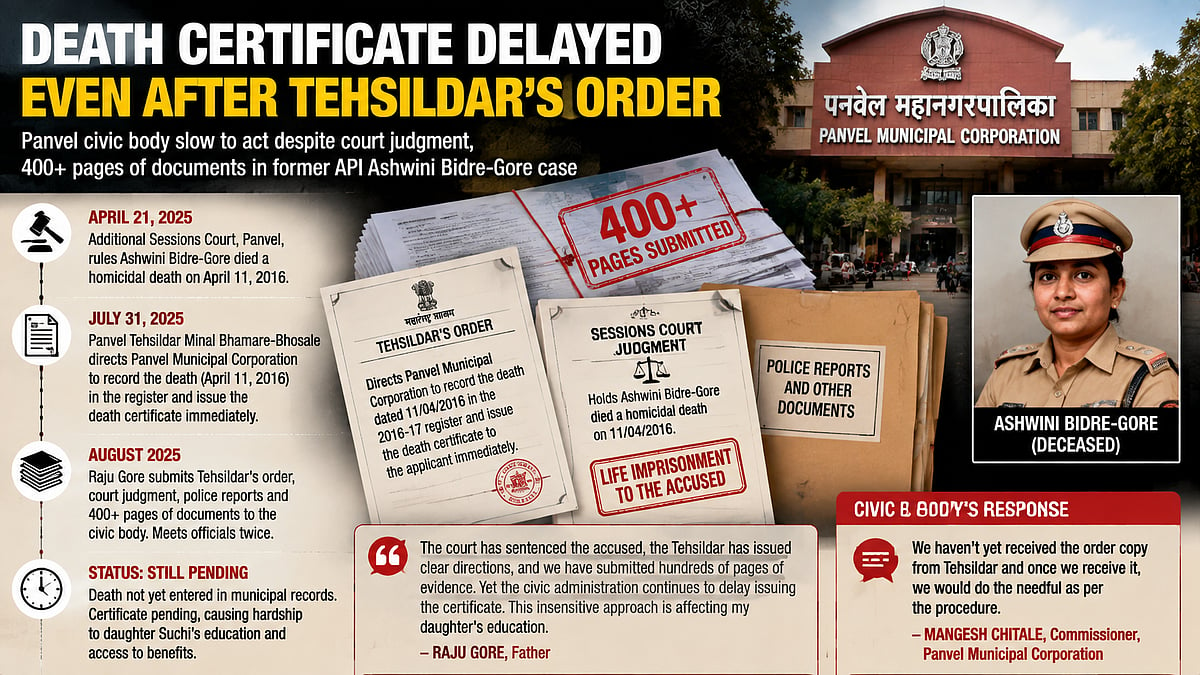
Panvel Civic Body Delays Ashwini Bidre-Gore Death Certificate
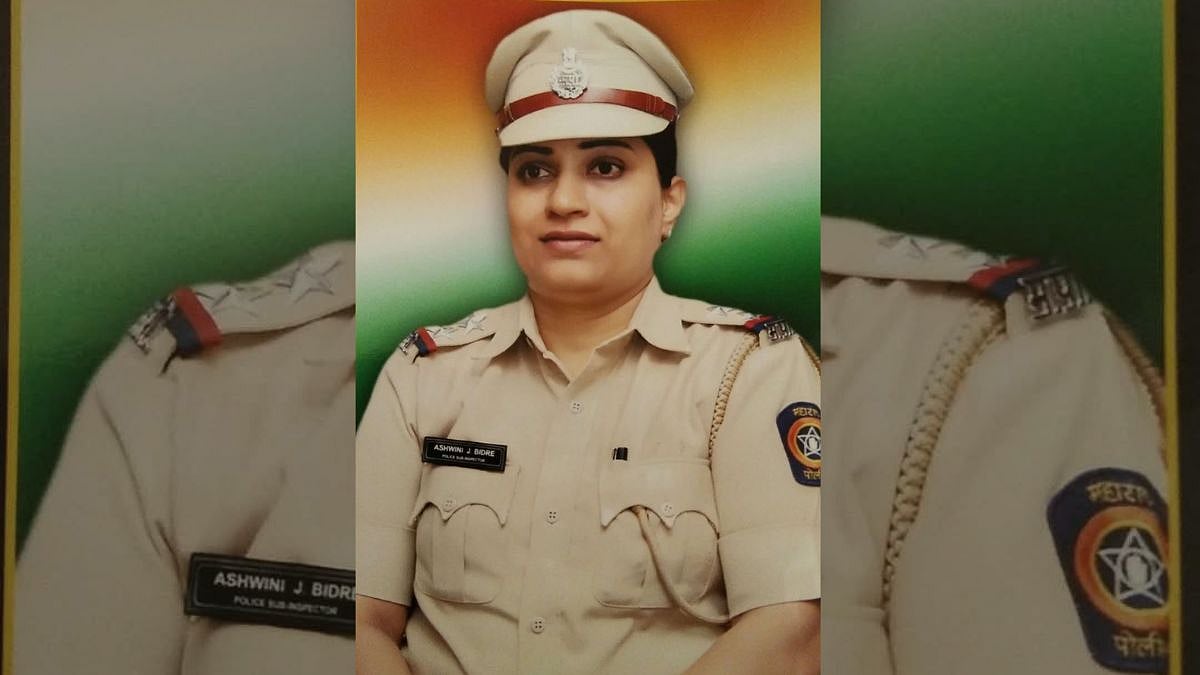
Death Certificate Issued After Delay for Former Police Officer's Family

12 Death Certificates Issued After Tribal Families’ Months-Long Wait
