10 hrs ago
Schools Shift From Junk Food Toward Healthier Student Lunches
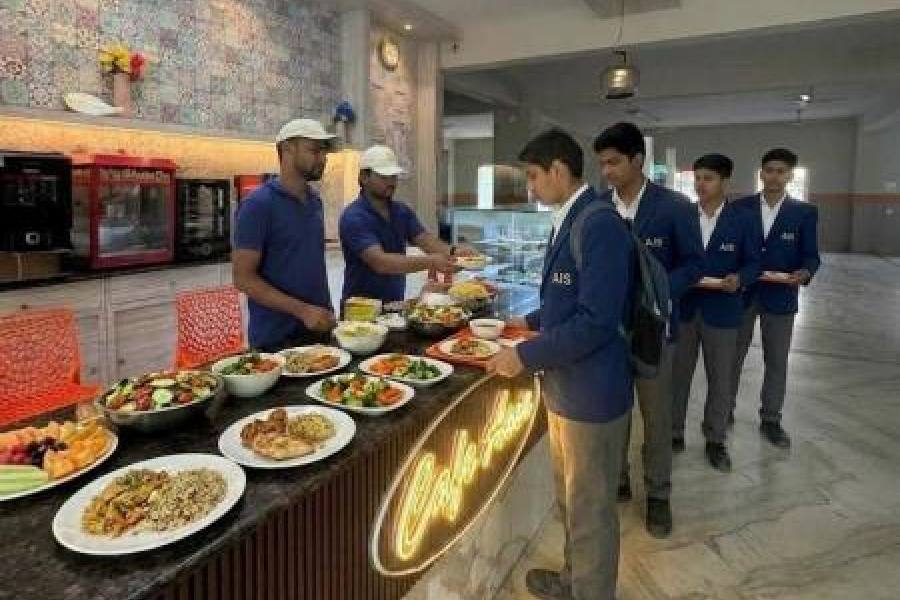
Many schools are trying to help students eat healthier food.
Some school canteens now serve fresh meals with less oil, salt and sugar.
They may offer foods such as dosa, idli, salads, sprouts and rice with beans.
Some schools do not sell fizzy drinks or highly processed snacks.
Teachers, nutritionists and parents also help children make better food choices.
Students are being encouraged to bring fruit and healthy homemade lunches.
The Food Safety and Standards Authority of India has proposed limiting unhealthy food near schools.
However, shops outside the school gates may still sell packaged foods and noodles.
Schools say controlling those shops will require help from local authorities and food-safety officials.

Several city schools are replacing junk food with fresh, balanced and low-oil meals.
Sri Sri Academy serves air-fried items and excludes aerated drinks from its canteen.
Indus Valley World School bans MSG, food colouring and reused cooking oil while offering dishes such as dosa, idli and steamed momos.
Other schools use fruit requirements, healthy-tiffin charts, nutrition sessions, BMI checks and reduced-sugar campaigns.
The Food Safety and Standards Authority of India has proposed restricting HFSS food sales, marketing and advertising within schools and 50 metres of their premises.
- Who
- City schools, students, parents, canteen operators, nutritionists and the Food Safety and Standards Authority of India.
- What
- Schools are tightening food policies and promoting healthier lunches, while a proposal would restrict high-fat, high-sugar and high-salt food near schools.
- Where
- In and around schools in the city, including school canteens and shops within 50 metres of school premises.
- When
- The proposal was open for public comments until October 6; schools were already applying several measures before the proposed restrictions.
- Why
- The measures aim to reduce students’ consumption of junk and highly processed food and encourage balanced eating.
School-led health controls
Challenges beyond school gates
Reach of food restrictions
School-led health controls
Schools can control their own canteens, menus, kitchens and student food policies through healthier meals, inspections and parent participation.
Challenges beyond school gates
Commercial outlets outside school premises may still sell packaged food and noodles, so enforcing a 50-metre restriction would require coordination with local authorities, vendors and food-safety officials.
Student food choices
School-led health controls
Nutrition education, healthier menus and homemade tiffins are encouraging some students to choose fruit, roti, paneer and other balanced foods.
Challenges beyond school gates
Some students continue visiting nearby shops for packaged food, partly because healthy options may be unavailable near school premises.
Key facts
- Proposed restriction
- HFSS food sales, marketing and advertising could be restricted in schools and within 50 metres of school premises.
- Regulator
- The Food Safety and Standards Authority of India proposed the restrictions.
- Sri Sri Academy
- The school offers air-fried items and does not serve aerated drinks.
- Indus Valley World School
- Its menu includes low-oil dishes, and MSG, food colouring, aerated drinks and reused cooking oil are prohibited.
- Asian International School
- The school serves fresh meals, conducts BMI checks and cleans its kitchen twice daily.
- Parent and student efforts
- Mahadevi Birla Shishu Vihar requires students to carry fruit, while B.D. Memorial Jr School runs a Less Sugar, Less Salt campaign.
- Implementation challenge
- Shops outside school gates may continue selling packaged food and noodles, requiring coordination with local authorities and food-safety officials.
Quotes
Aarini Chakraborty
Class IX student at G.D. Goenka Public School, Dakshineswar
“A lack of shops with healthy options near school premises is also a reason for students to opt for junk food.”
 telegraphindia.com
“The intention is to give preference to fresh, balanced and wholesome food rather than highly processed food.”
telegraphindia.com
Sources
Related news

India Advances 50-Metre Junk Food Curbs Near Schools

Madhya Pradesh Panel Seeks 50-Metre Junk Food Ban Near Schools
Bhayandar School Faces Notice Over Methi Tiffin Charge

Paryushan Food Request at BJP MLA’s School Sparks Backlash
Thane School Accused of Fining Students Over Methi Tiffins
Maharashtra Mandates Healthy Menus At Government Canteens And Events
FSSAI Suspends Two Food Firms Over Serious Safety Violations
Uttar Pradesh Makes Use-by Dates Mandatory for Loose Sweets
Letters Debate Bulk Buying, Elections, Drug Prices And Food Standards
TG SAFE Suspends Four Dark-Store Food Licences After Inspections