1 hr ago
Jefferies Identifies Six India Growth Themes Through 2030

Jefferies studied industries that could grow quickly in India by 2030.
It highlighted space, semiconductors, data centers, electronics, solar manufacturing and aerospace.
The government is helping these industries with incentives, tax benefits and rules that encourage local production.
Private companies are now allowed to participate in India’s space sector.
India is building factories for chips and solar products.
Data centers are expected to grow as more people and businesses use cloud services.
Electronics companies are being encouraged to make more components inside India instead of importing them.
Indian companies are also becoming suppliers for large aircraft makers such as Boeing and Airbus.
Jefferies sees large business opportunities, although it says talent, supply chains and global competition remain challenges.

Jefferies expects India’s space economy to grow nearly fivefold to $40–45 billion by 2030 after private-sector access opened in 2020.
India’s semiconductor ecosystem has about $20 billion in investments, including a chip fabrication plant and several OSAT projects.
Data-center colocation capacity has reached about 2 GW and could expand to roughly 10 GW within five years.
Electronics policies aim to increase domestic component manufacturing, with ECMS potentially covering about 50% of mobile component value within six years.
Solar and aerospace manufacturing are expanding, with India targeting greater solar value-chain localisation and already supplying Boeing and Airbus.
- Who
- Jefferies and Indian companies operating in space, semiconductors, data centers, electronics, solar manufacturing and aerospace.
- What
- Jefferies identified six Indian growth themes and outlined market opportunities and targets through 2030.
- Where
- India, with links to global aerospace and technology supply chains.
- When
- The report discusses developments through 2030, including projected growth over the next five years and six years.
- Why
- Large domestic demand, government support, private participation and policies encouraging local manufacturing are driving investment in these sectors.
Growth opportunity
Execution challenges
Government support
Growth opportunity
Government measures include opening space to private companies, semiconductor and solar incentives, data-center tax benefits, localisation requirements and GPU purchases.
Execution challenges
The report indicates that policy support must be matched by execution across supply chains, production capacity and infrastructure.
Semiconductor expansion
Growth opportunity
Around $20 billion in investment, a chip fabrication plant under construction and OSAT projects beginning production suggest India is moving from plans to implementation.
Execution challenges
Supply-chain development, skilled talent and global competition remain challenges for the sector.
Domestic manufacturing
Growth opportunity
Electronics and solar policies are expected to increase local component production and could localise about 90% of the solar manufacturing value chain by 2030.
Execution challenges
The electronics sector remains dependent on imports in areas such as printed circuit boards, which Jefferies said have an 85–90% import share.
Key facts
- Space target
- India aims to grow its space economy nearly fivefold between 2023 and 2030, reaching $40–45 billion.
- Semiconductor investment
- About $20 billion is being invested in India’s semiconductor ecosystem.
- Data-center capacity
- Colocation capacity is about 2 GW and is expected by Jefferies to reach roughly 10 GW within five years.
- Data-center opportunity
- The projected expansion represents a $9 billion revenue opportunity for operators and a $45 billion investment opportunity across related infrastructure.
- Solar manufacturing
- About 35 GW of solar-cell manufacturing capacity is operational, with another 100 GW under construction.
- Electronics localisation
- Jefferies forecasts ECMS could cover about 50% of mobile component value within six years, compared with less than 20% currently.
- Aerospace sourcing
- Boeing and Airbus source approximately $1.4–1.6 billion of products annually from India.
Quotes
Jefferies report
Brokerage firm Jefferies, describing its data-center sector forecast
“We expect capacity to grow another 5x to ~10GW over the next five years, supported by favorable cost economics, policy support and rising hyperscaler demand. We calculate this expansion represents a US$9bn revenue opportunity for data center operators and a US$45bn investment opportunity across power, cooling, construction and network infrastructure.”
 livemint.com
“We forecast ECMS to cover ~50% of Mobile component value (BoM) over the next 6-Y vs <20% now. PCB (both HDI + Multi-layer) is a focus area for Components, with S5bn TAM, 85-90% imports”
livemint.com
Sources
Related news
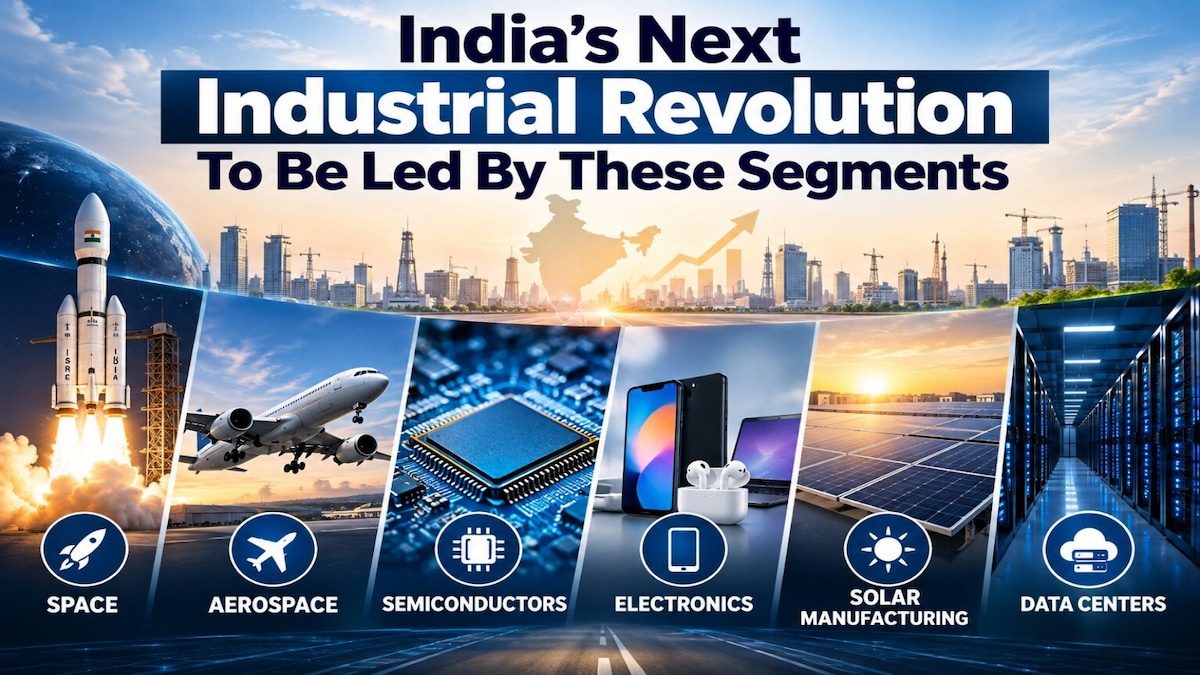
Jefferies names six sectors driving India’s new industrial revolution

Jefferies Names Six Sectors Driving India’s Next Industrial Revolution
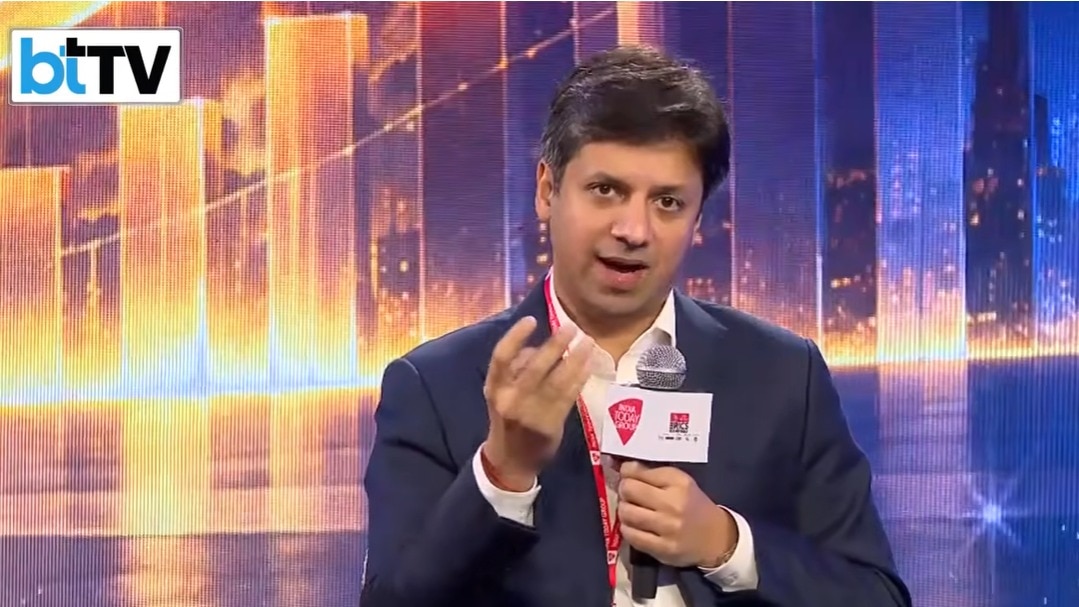
India’s manufacturing opportunity grows as global supply chains shift

India’s Space Economy Projected to Reach $40–45 Billion

India’s Space Economy Targets $45 Billion by 2030
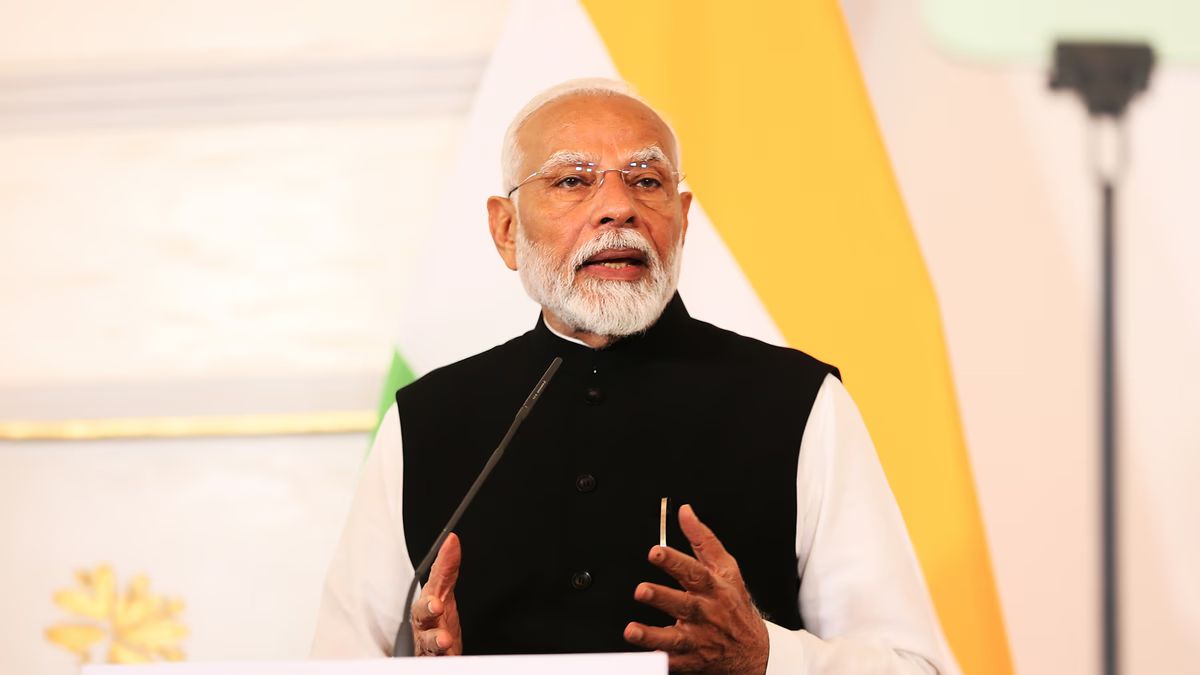
Modi Pitches India as Trusted Hub for Chip Manufacturing

Russia-Brazil Race for India’s First Aircraft Assembly Line

Boeing Shares Drop as 777X Testing May Extend Into 2027

Tata Continuity Seen as Crucial for India’s Long-Gestation Projects
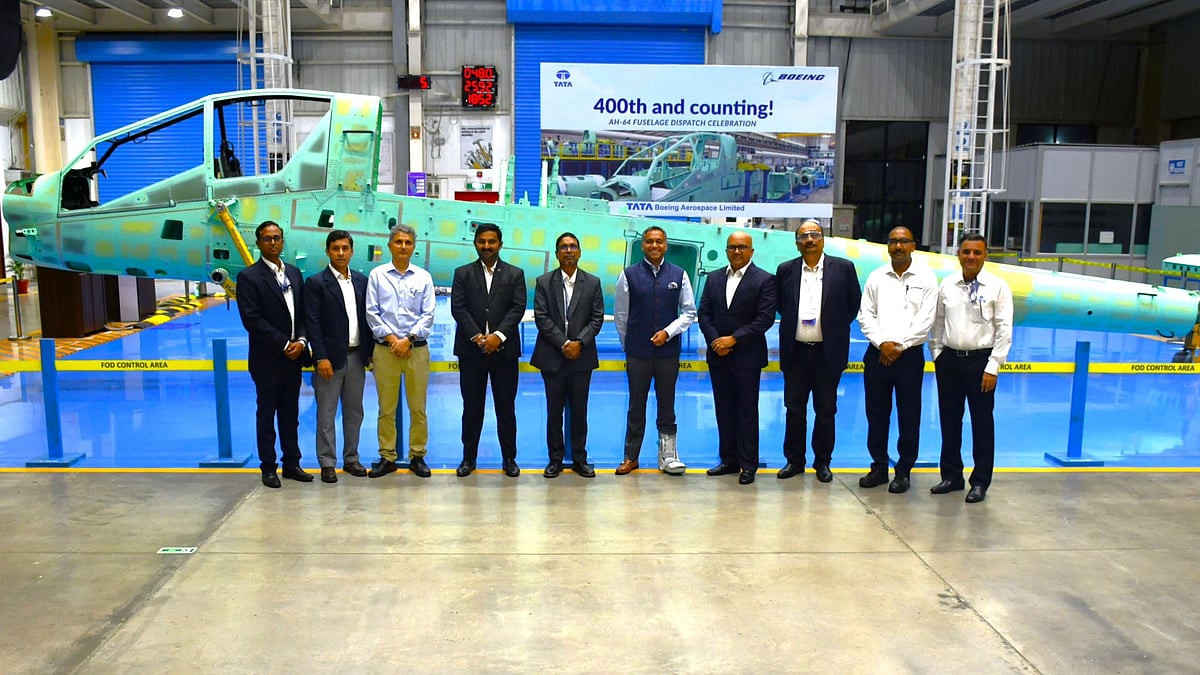
Tata Boeing Aerospace Delivers 400th Apache Fuselage From Hyderabad