1 hr ago
Tata Continuity Seen as Crucial for India’s Long-Gestation Projects

Some factories and industrial projects take many years before they start making money.
Software businesses often earn returns much faster.
The article says India is now building more difficult projects, such as semiconductor plants, aerospace facilities and shipyards.
These projects need steady support while they are still being built.
The author believes projects can suffer when new leaders change earlier plans.
Tata Group is working on several projects connected to India’s manufacturing goals.
Its chairman, N. Chandrasekaran, is awaiting a decision about his tenure from Tata Sons’ board.
The author says keeping leadership stable could reassure partners and investors.
The board must decide for the company, but the decision may also influence confidence in India’s industrial plans.

India’s new manufacturing projects may take a decade or more to generate returns, unlike many software and services investments.
The article argues that long-term industrial projects are more vulnerable to leadership changes than to shortages of capital.
Tata Group projects include electronics assembly, semiconductor facilities, aerospace components and Air India’s return to Indian ownership.
The author says leadership continuity under N. Chandrasekaran could reduce execution risk while these projects remain unfinished.
The Tata Sons board retains authority over the chairman’s tenure, but the decision could affect perceptions of India’s manufacturing commitments.
- Who
- Tata Sons, its chairman N. Chandrasekaran, the Tata Group and the group’s industrial and technology partners.
- What
- The article argues that leadership continuity is important for Tata Group projects and for India’s long-term manufacturing strategy.
- Where
- The projects discussed are in India, including Tamil Nadu, Karnataka, Hyderabad, Nagpur and Dholera.
- When
- The issue arises while several Tata projects remain under construction and the Tata Sons board considers the chairman’s tenure.
- Why
- Long-gestation projects face greater execution and investor-confidence risks when leadership or policy direction changes before completion.
Corporate Governance and Board Independence
Continuity for National Industrial Projects
Who should determine the chairman’s future?
Corporate Governance and Board Independence
Tata Sons is a private company, so its shareholders and directors should decide the chairman’s tenure based on corporate considerations.
Continuity for National Industrial Projects
Because Tata Group is undertaking major projects tied to India’s manufacturing strategy, the board should consider how a leadership change could affect national industrial timelines and investor confidence.
Effect of leadership change
Corporate Governance and Board Independence
A change in leadership could allow the company to review existing commitments, reassess risks and pursue a different strategy.
Continuity for National Industrial Projects
The author argues that changing leaders during the unfinished phase could increase execution risk, unsettle partners and make India’s projects appear less reliable.
Key facts
- Decision pending
- The Tata Sons board is considering the tenure of chairman N. Chandrasekaran.
- Project timeline
- Semiconductor fabs, shipyards and aerospace supply chains can take about a decade before returns appear, according to the article.
- Tata workforce
- The Tata Group employs more than ten lakh people.
- TCS workforce
- TCS has a workforce of about six lakh people.
- Major initiatives
- The group is pursuing electronics assembly, semiconductor manufacturing, aerospace components and Air India.
- Policy context
- The projects are linked to Atmanirbhar Bharat, production-linked incentive schemes and India’s semiconductor mission.
- Central risk
- The author identifies mid-project disruption and changing commitments as major risks to long-term industrial investments.
Sources
Related news
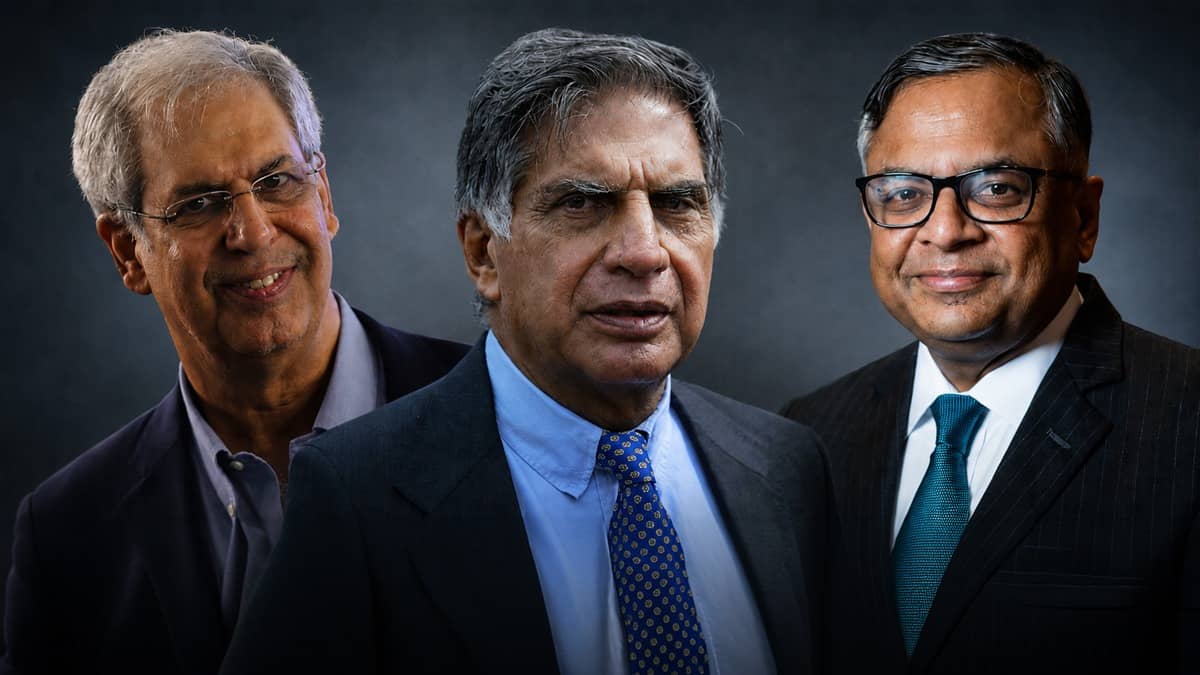
Tata’s Patient Bets Aim to Build India’s Missing Capabilities

India Inc capex pipeline surges, but execution bottlenecks remain
India’s Defence Corridors Face Gap Between Promises and Production

India Builds Semiconductor, Space, Defence and AI Capabilities
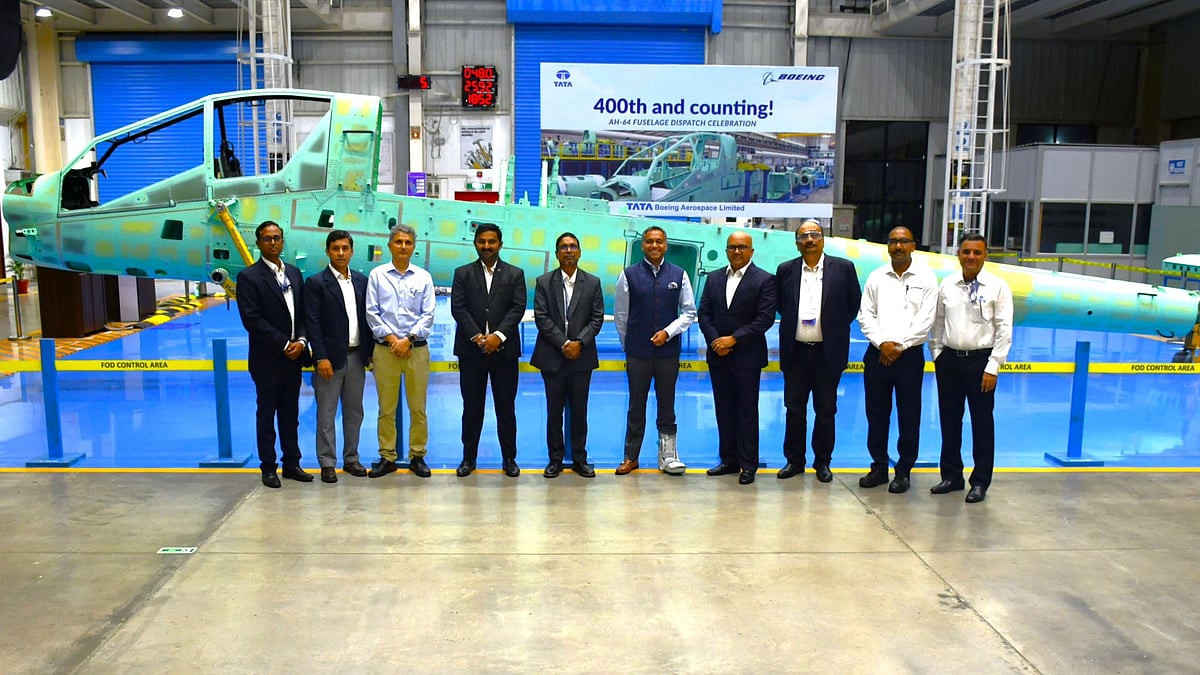
Tata Boeing Aerospace Delivers 400th Apache Fuselage From Hyderabad

India’s Aerospace Industry Gains From Global Aircraft Backlog

Mumbai NCLT Rejects Jet Airways Boeing Refund Plea

Jefferies Names Six Sectors Driving India’s Next Industrial Revolution