3 weeks ago
China ditches red for blue amid India's saffron jersey row
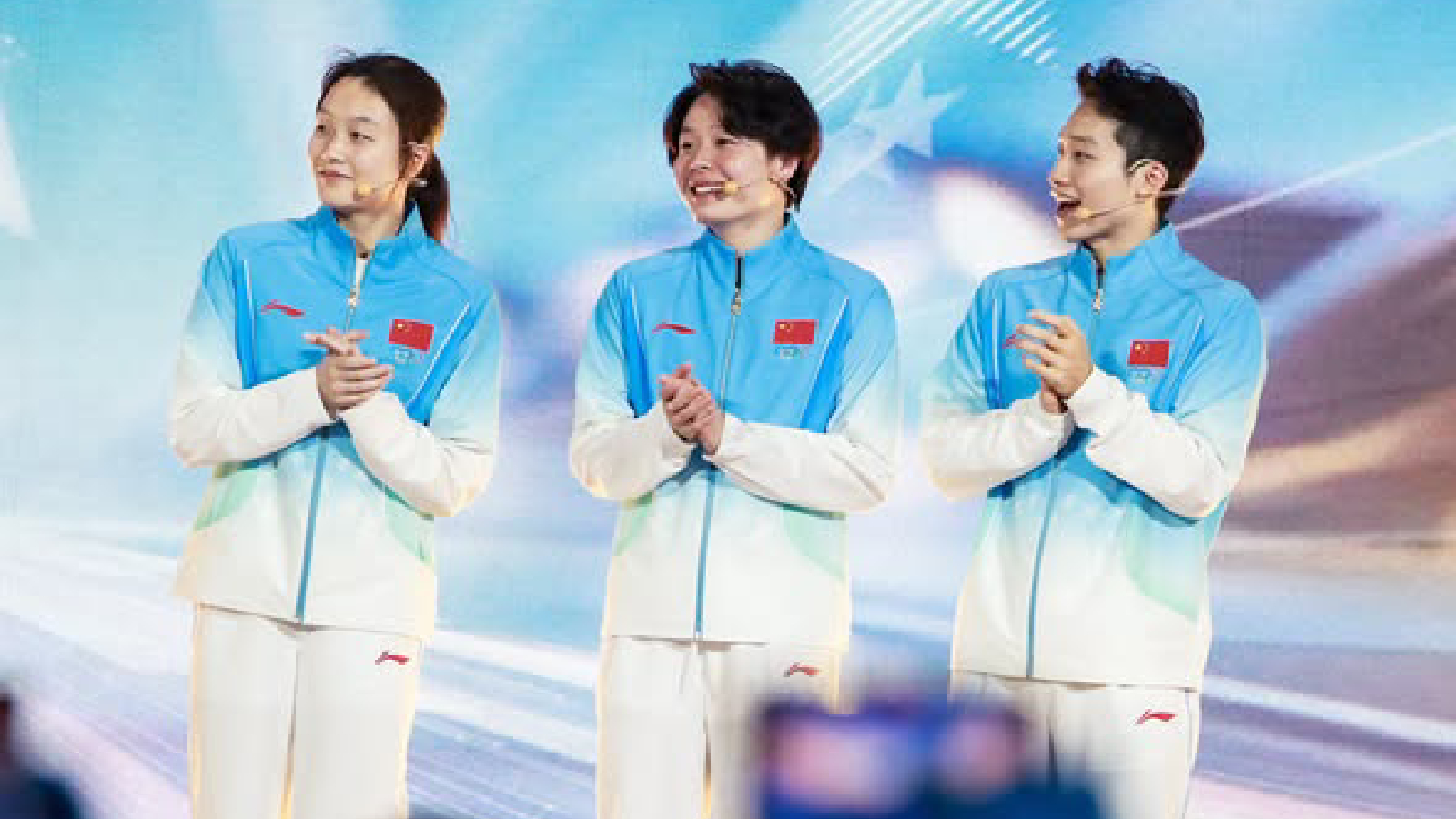
Countries often pick special outfits for athletes to wear when they win medals at big sports events like the Asian Games.
These outfits can become famous and feel like an important part of the country's identity.
China recently showed new blue outfits for its athletes, instead of the red-and-yellow ones they had worn for many years.
Many people in China are talking about what the new blue outfits mean, and whether the change is a good idea.
At the same time, India is dealing with its own argument about uniforms.
India's hockey team is known for wearing a blue jersey, but there is a plan to change it to saffron instead.
This caused a big stir, and people are asking how the decision was made and whether everyone was asked for their opinion.
In China, the conversation is mostly about looks and tradition, while in India the conversation is also about rules and decision-making.
Both stories show that even a change in a sports uniform can turn into a big national debate.

China unveiled blue victory ceremony uniforms last Monday for the Asian Games, replacing the traditional red-and-yellow attire.
The red-and-yellow attire had defined China's sporting identity for decades, according to the article.
China's uniform conversation has revolved around symbolism, aesthetics and tradition.
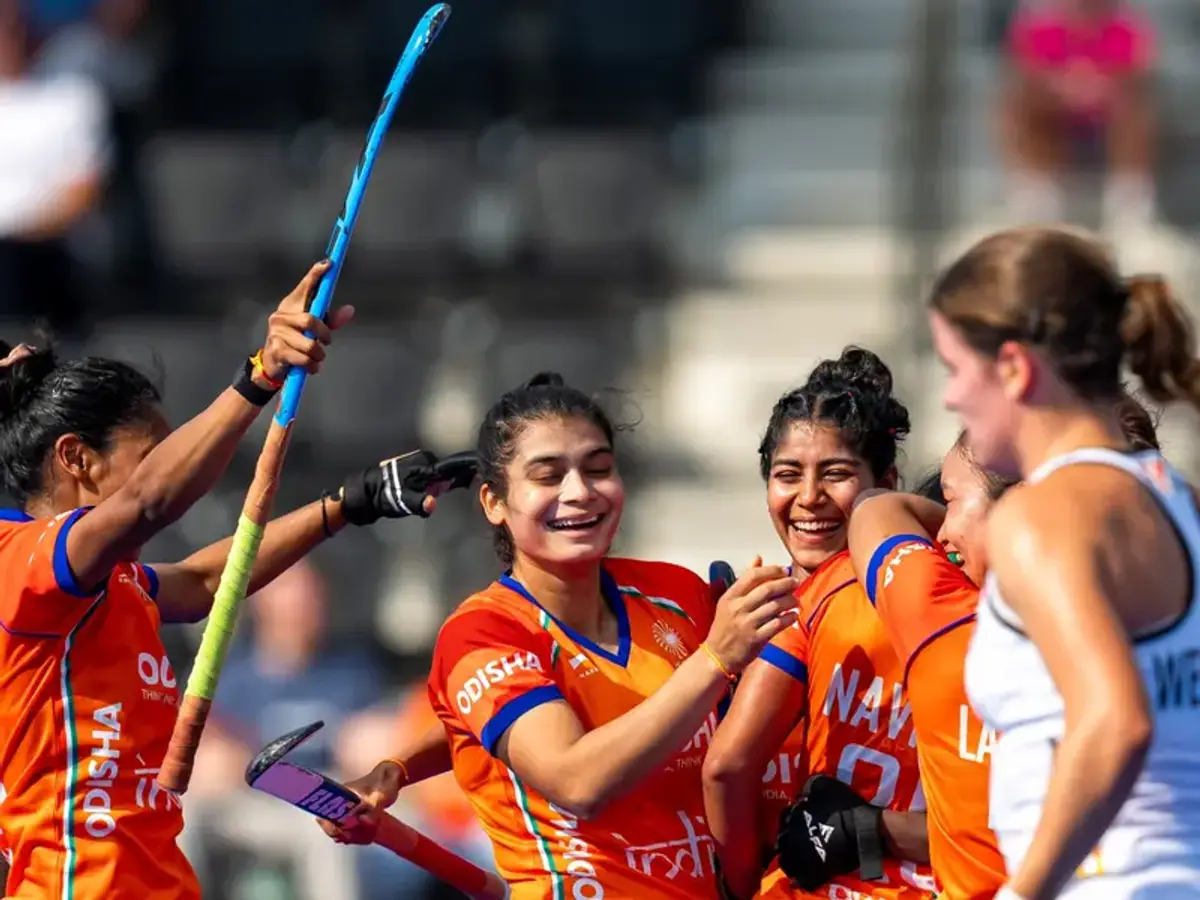
Hockey India is facing a storm over replacing the iconic blue hockey jersey with saffron.
India's jersey controversy has expanded into a debate over governance, consultation and the decision-making process behind the change.
- Who
- China, which unveiled the new uniforms, and Hockey India, which is facing a controversy over the Indian hockey jersey change.
- What
- China replaced its traditional red-and-yellow victory ceremony uniforms with blue ones for the Asian Games, while India debates replacing the iconic blue hockey jersey with saffron.
- Where
- China and India; the uniforms are for the Asian Games (Asiad), whose host location is not specified in the article.
- When
- China unveiled its blue uniforms last Monday; the exact timing of the Indian jersey decision is not stated in the article.
- Why
- China's change sparked debate over symbolism, aesthetics and tradition, while India's jersey change triggered debate over governance, consultation and the decision-making process.
Preserve tradition and transparency
Accept change with open debate
China's uniform colour change
Preserve tradition and transparency
The red-and-yellow attire has defined China's sporting identity for decades, so the switch to blue raises concerns about abandoning tradition.
Accept change with open debate
The new blue uniforms bring a fresh look, and the conversation should focus on their symbolism and aesthetics rather than treating change as a loss.
India's hockey jersey switch
Preserve tradition and transparency
The move to replace the iconic blue hockey jersey with saffron sparked a storm, with the controversy growing into questions about governance and consultation.
Accept change with open debate
The debate has moved beyond the colour itself to how the decision was made, showing that the jersey change can be discussed openly as part of the decision-making process.
Key facts
- Event
- Asian Games (Asiad)
- China's new uniform colour
- Blue
- China's traditional uniform colours
- Red and yellow
- Timing of China's uniform unveiling
- Last Monday
- India's disputed jersey change
- Blue hockey jersey to saffron
- Governing body involved in India
- Hockey India
- Focus of China's debate
- Symbolism, aesthetics and tradition
- Focus of India's debate
- Governance, consultation and decision-making
Sources
Related news

India’s Saffron Jersey Row Grows After Blue-Kit Defeats

India's Saffron Hockey Jersey Ignites Nationalism 'Colour Coup' Debate
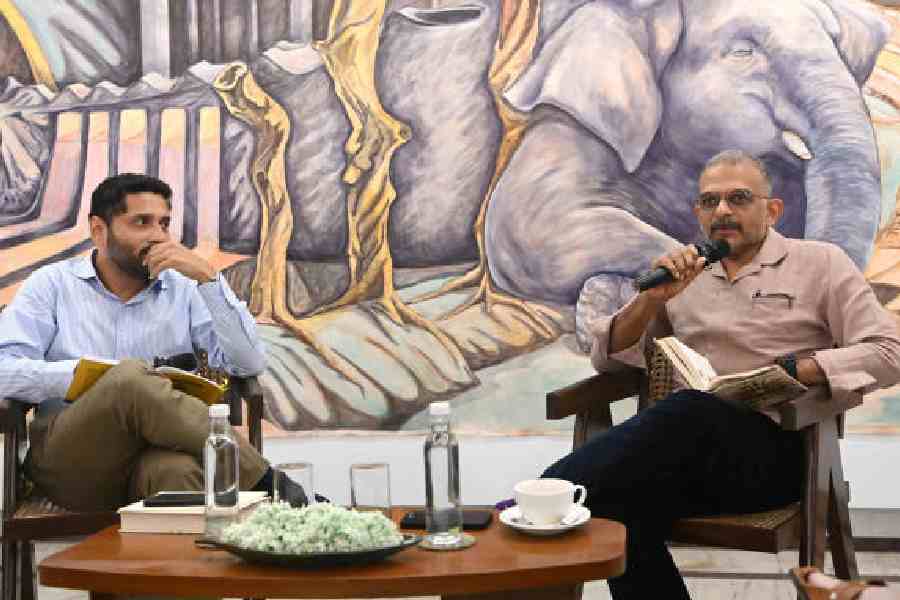
T.M. Krishna questions symbolism behind hockey team's new saffron kits

Congress says PM Modi's pocket squares celebrate Ireland's Independence Day

India-China Delegates Visit Vizag Sports Facilities, Promote Cooperation
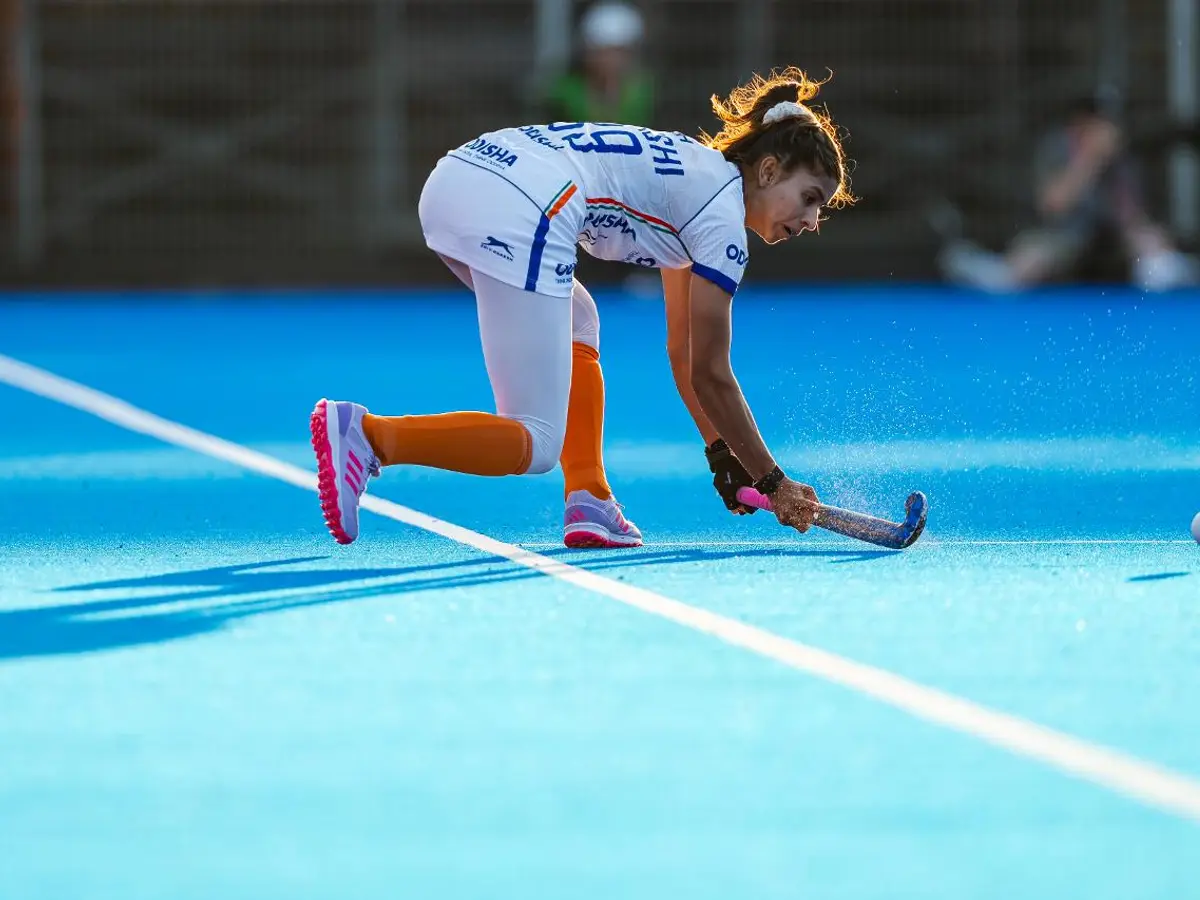
Sakshi Rana’s World Cup Breakthrough Signals India’s Hockey Future
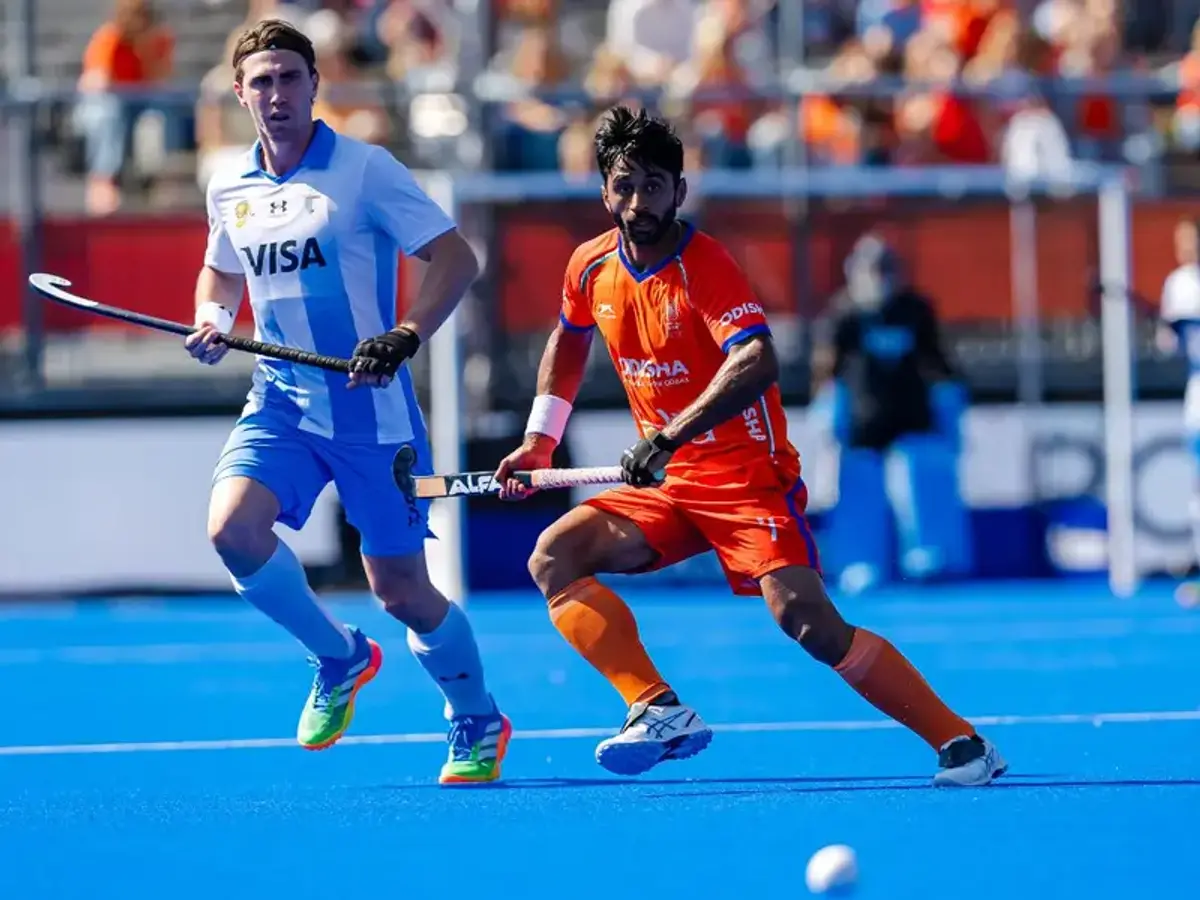
Hockey India president says India underperformed at 2026 World Cup
Hockey India Rewards Women After Historic World Cup Finish

Hockey India Rewards Women’s Team After Historic World Cup Finish
Sjoerd Marijne Sees India’s Hockey Rise, But Demands More