0 months ago
Graphic Novels Bring Climate Crisis Stories to Wider Audiences
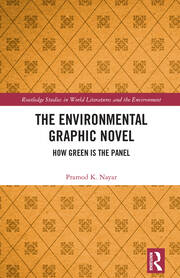
Pramod K. Nayar says graphic novels can help people understand climate disasters.
They do this by using both pictures and words.
A facial expression, a sound or a picture of a destroyed place can show how a crisis feels.
These stories can include the experiences of people whose histories are often overlooked.
They can also show animals, plants and other parts of nature as important parts of the story.
Nayar says climate stories should not only try to frighten people.
Stories can also explain colonial exploitation, damage to indigenous communities and the systems that create waste and environmental harm.
His book studies how graphic novels show loss, resistance and hope.

University of Hyderabad professor Pramod K. Nayar says graphic novels combine visual and verbal storytelling to intensify climate narratives.
Images, expressions, sounds and wordless scenes of ruined landscapes can convey the experiences of people affected by disasters.
Nayar says climate storytelling should extend beyond fear-based eco-apocalyptic narratives to include memoirs, travelogues and layered histories.
Fables can represent nonhuman perspectives, while graphic novels can examine colonial exploitation, indigenous harm and corporate systems that produce crises.
His book explores environmental graphic novels, ecoprecarity, climate justice, resistance, resilience and “survivance,” or survival combined with resistance.
- Who
- Pramod K. Nayar, a University of Hyderabad professor and UNESCO Chair in Vulnerability Studies.
- What
- Nayar discussed how graphic novels can amplify climate crisis narratives through visual and verbal storytelling.
- Where
- Hyderabad; Nayar spoke to DC.
- When
- The timing of the interview is not specified in the article.
- Why
- Graphic novels can communicate the intensity of environmental crises while including marginalised histories and nonhuman perspectives.
Key facts
- Speaker
- Pramod K. Nayar
- Affiliation
- University of Hyderabad
- Book
- The Environmental Graphic Novel: How Green Is the Panel
- Subjects examined
- Climate change, disaster, justice, resistance and resilience
- Storytelling methods
- Visual and verbal narratives, including wordless panels and depictions of ruined landscapes
- Additional perspectives
- Marginalised histories, indigenous communities and more-than-human life
- Key concept
- “Survivance,” defined in the article as survival plus resistance
Quotes
Pramod K. Nayar
University of Hyderabad professor and UNESCO Chair in Vulnerability Studies
“A look, an expression, a sound (of both human and nonhuman) within the space of 1-2 panels communicated in both visual and verbal form surely amplifies our understanding of what the crisis-afflicted go through”
 deccanchronicle.com
Sources
Related news

Nayar Says Human Rights Cannot Be Separated From Environmental Justice

Amaravati Literature Festival Explores Comics, Climate and Antiquity

Jiban Narah’s Yellow Metaphor Brings Assamese Poetry Into English

Indian Filmmaking Platforms Document Wildlife and Conservation Efforts
Rupinder Brar Launches Eco-Themed Debut Novel in New Delhi

Journalist Hoihnu Hauzel Documents Manipur’s Conflict and Northeast Stories

AI Governance Must Balance Innovation With Protection for Vulnerable Citizens
UNESCO Finds Rural India’s Upper-Secondary Gender Gap Persists

UNESCO Sets Framework to Prepare Teachers for AI

KCS Foundation Honors 27 Students at Dubai Youth Awards