

9 hrs ago
UNESCO Finds Rural India’s Upper-Secondary Gender Gap Persists
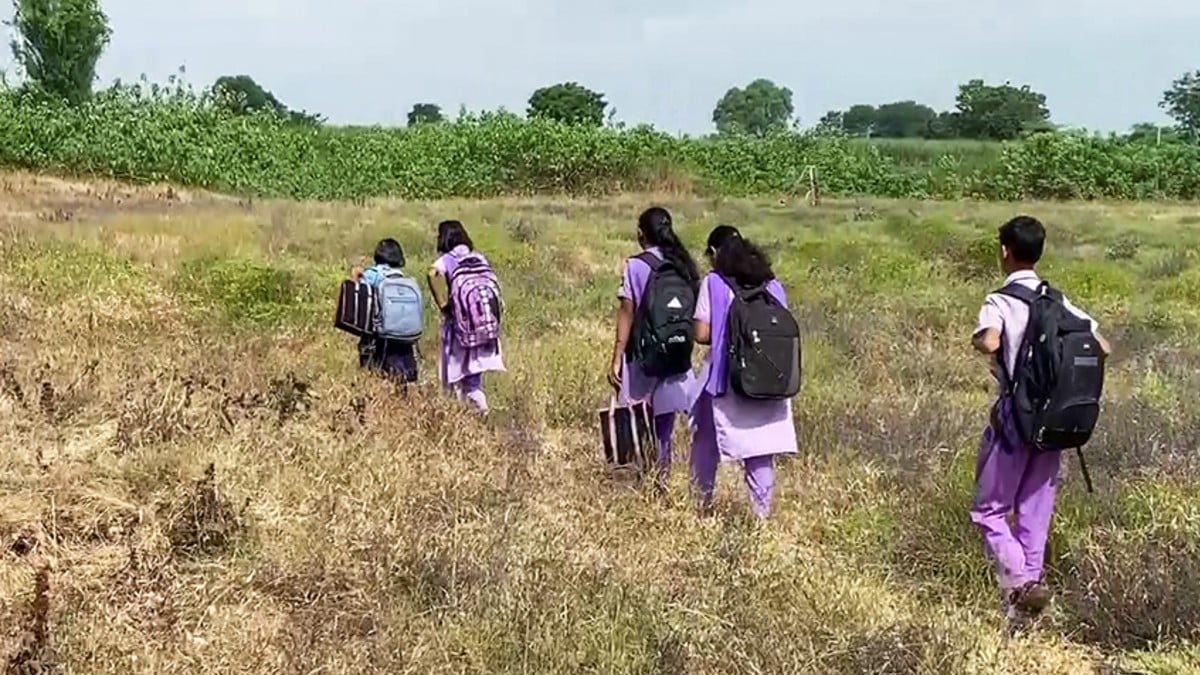
A UNESCO report looks at whether girls and boys finish school at similar rates in 31 countries.
In India, girls and boys finish upper-secondary school at about the same rate in cities, according to the report.
In rural areas, girls are less likely to finish.
The article gives two different figures for this gap: one says 50 girls for every 100 boys, and another says 59.
The report says poverty and where children live can make school harder to complete.
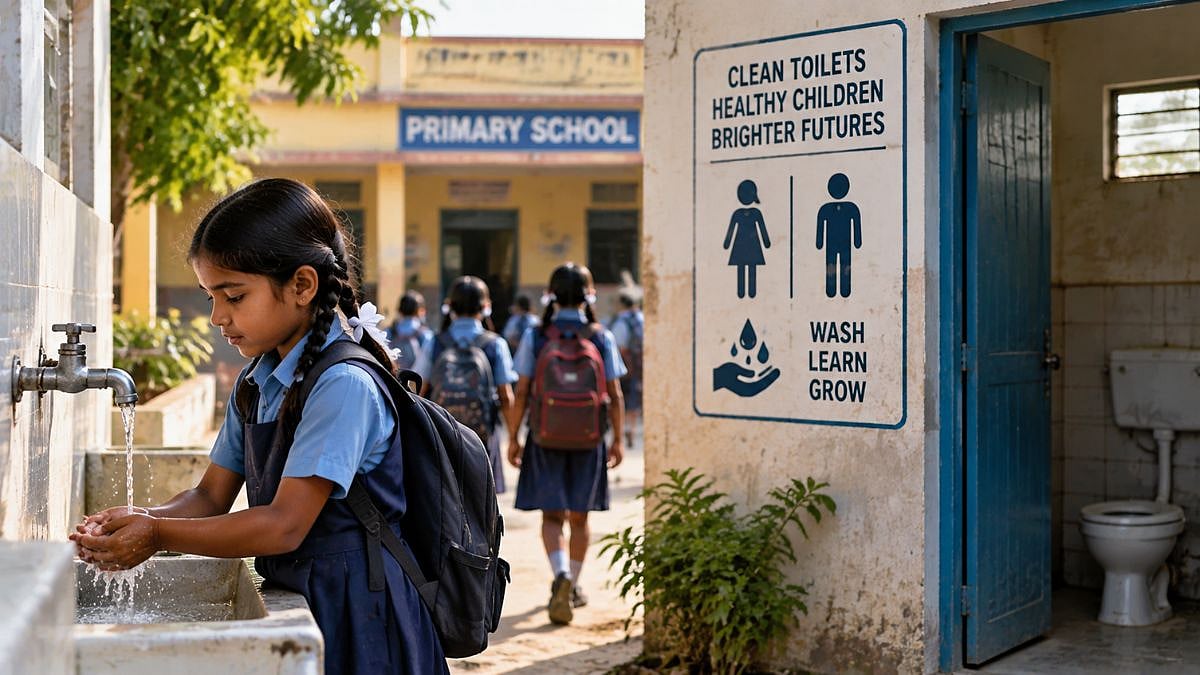
It points to costs, safety, toilets and support for young mothers as issues that can affect girls’ schooling.
It also describes studies linking school toilets and meals with better enrolment or lower dropout rates.
The report says several barriers may need to be addressed together.

A UNESCO report examines gender gaps in education across 31 low- and middle-income countries, using data from 2020–24.
India’s reported upper-secondary completion gender parity index is 0.89 overall and 1.0 in urban areas.
The article gives conflicting figures for rural India: it says both 50 and 59 girls complete upper-secondary school for every 100 boys.
The report says poverty and geography can compound gender disparities; across countries where girls are disadvantaged, the median index was 0.66 for the poorest households and 0.92 for the richest 20 percent.
It identifies transport costs, unsafe schools, inadequate sanitation and limited support after pregnancy or early marriage as barriers, and discusses interventions including toilets, school meals and girls’ clubs.
- Who
- Girls completing upper-secondary education in India, as discussed in a UNESCO report.
- What
- The report describes gender gaps in school completion and says India’s rural areas lag behind urban areas; the article gives conflicting rural figures of 50 and 59 girls per 100 boys.
- Where
- India, with comparisons across 31 low- and middle-income countries.
- When
- The report was released Friday; its cross-country analysis uses data from 2020–24.
- Why
- The report links disparities to overlapping factors including poverty, geography, social norms, education policies and practical barriers to attending and completing school.
Key facts
- Report
- Gender Equity in Access to Education
- Countries examined
- 31 low- and middle-income countries
- Data period
- 2020–24
- India overall parity index
- 0.89 for upper-secondary completion
- India urban parity index
- 1.0, indicating parity
- India rural figures in article
- Both 50 and 59 girls per 100 boys are reported; the article does not resolve the discrepancy.
- ASER 2024 enrolment finding
- 8.1% of rural girls aged 15–16 were not enrolled, compared with 7.9% in 2022.
Quotes
UNESCO report
A report examining gender gaps in education across 31 low- and middle-income countries.
“Gender disparity in access to education does not result from individual choices, but rather from political, economic, social and cultural mechanisms, as well as education policies and practices that exclude children, adolescents and young people.”
 theprint.in
“Abolishing fees does not make education free if transport is unaffordable. Scholarships count for little if schools are unsafe. Re-entry policies cannot be effective if young mothers lack childcare.”
theprint.in
Sources
Related news
India’s Education Gains Outpace Women’s Economic and Political Equality

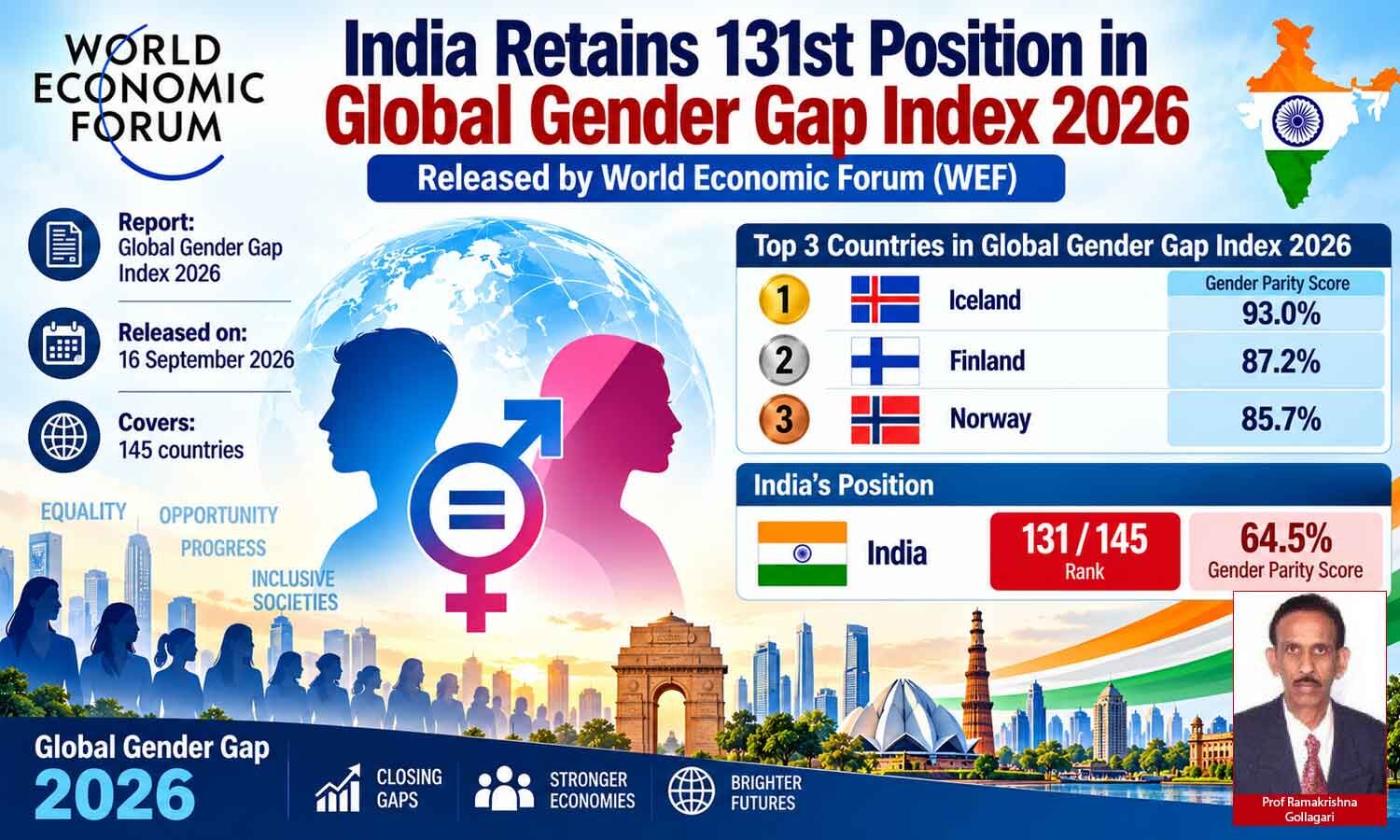
India Retains 131st Rank as Iceland Leads Gender Gap Index
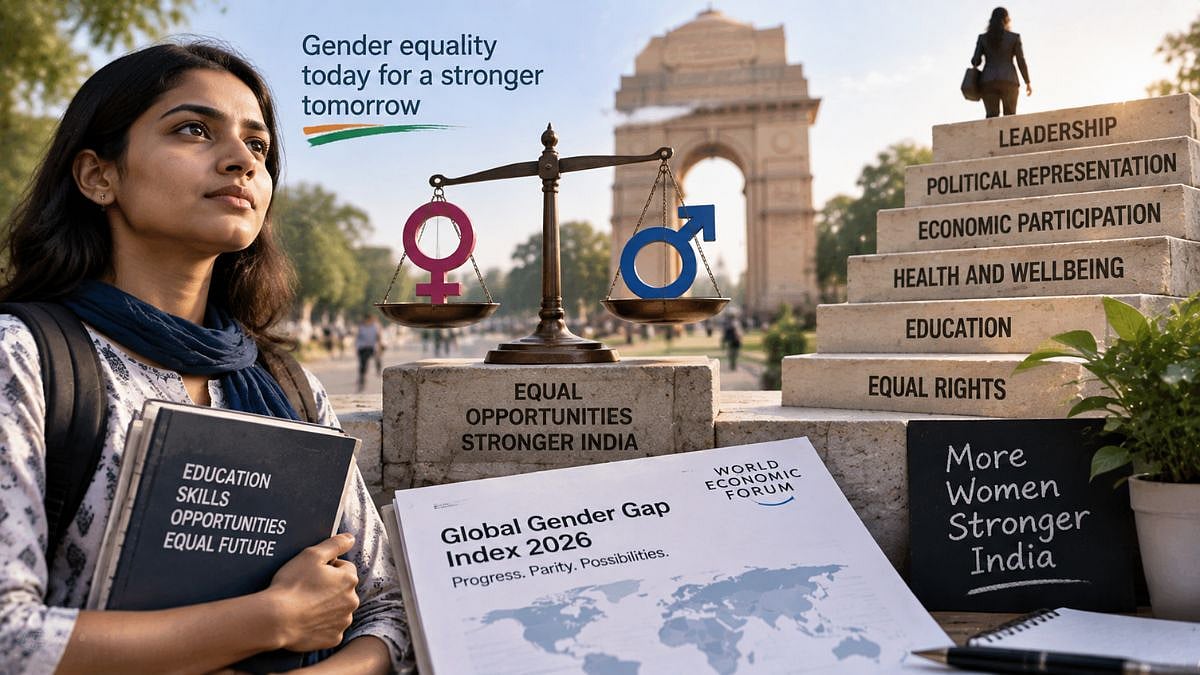
India Remains 131st in Global Gender Gap Assessment
India Sees More Girl Births in Son-Preference Districts
India Has 50 Million Children Without School Sanitation Services

Global Gender Parity Still 120 Years Away, Report Says
Nepal Flood Survivors Demand Resettlement as Winter Approaches
Two Found Dead in Bhopal; Police Examine Audio Message
Giriraj Singh Rejects Resignation Demand, Denies Surat Worker Exodus

School Bus Crash in Pokhara Kills at Least Five
