

9 hrs ago
EPFO Wage Ceiling Raised to Rs 25,000 After Twelve Years
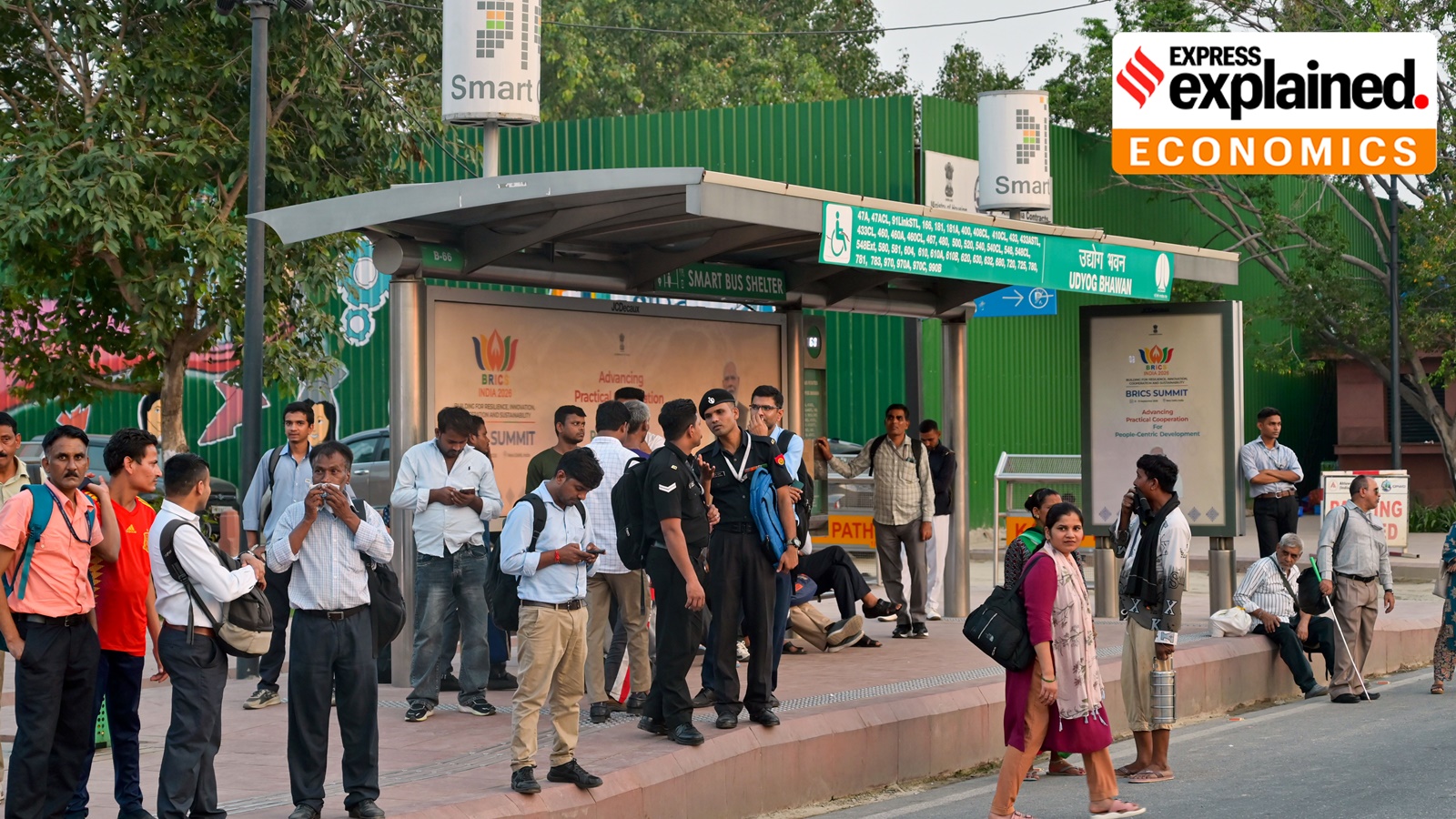
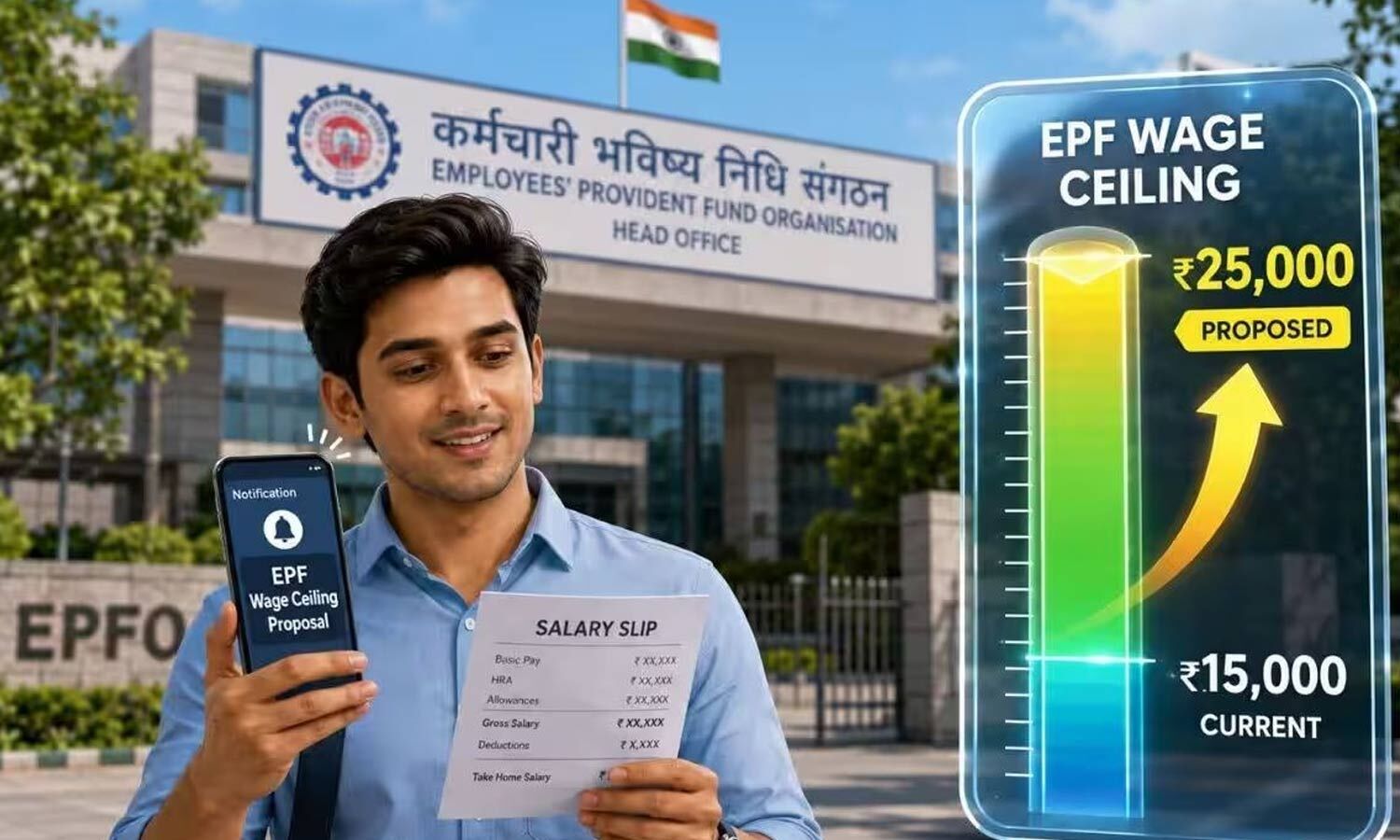
India has raised the salary limit used for mandatory EPFO contributions from Rs 15,000 to Rs 25,000.
This means more workers will receive retirement, pension, and insurance coverage through the EPFO.
About 51 lakh additional workers may be covered.
Workers earning between Rs 15,000 and Rs 25,000 will generally contribute more each month.
Their pension contribution can rise from Rs 1,250 to Rs 2,083.
Because workers contribute more, their monthly take-home pay may fall.
Employers may also have to pay more toward provident fund, pensions, and insurance.
The government expects to spend an additional Rs 1,089 crore each year.
Trade unions say the increase is helpful but too small after 12 years without a revision.

The EPFO wage ceiling has increased from Rs 15,000 to Rs 25,000 effective September 17.
The change is expected to bring 51 lakh additional workers under mandatory EPFO coverage.
Employees earning between Rs 15,000 and Rs 25,000 may see higher contributions and lower take-home pay.
The government’s annual support is expected to rise by Rs 1,089 crore to about Rs 11,339 crore.
Trade unions welcomed the expansion of coverage but criticised the new ceiling as inadequate and demanded Rs 30,000.
- Who
- The Ministry of Labour and Employment, the EPFO, employees, employers, trade unions, and the government are affected.
- What
- India raised the EPFO wage ceiling for mandatory EPF, EPS, and EDLI coverage from Rs 15,000 to Rs 25,000.
- Where
- The change applies to establishments covered by the EPFO in India.
- When
- The revision took effect on September 17, after a 12-year gap since the previous increase in September 2014.
- Why
- The government said the revision reflects wage growth, rising incomes, and the expansion of formal employment, while extending social-security coverage.
Critics
Government and Supporters
Adequacy of the ceiling
Critics
The All India Trade Union Congress said Rs 25,000 is too low and too late after the ceiling remained unchanged for 12 years; it demanded an increase to Rs 30,000.
Government and Supporters
The government said the revision reflects sustained wage growth, rising incomes, and the continued expansion of formal employment.
Impact on workers
Critics
Critics warned that higher employee contributions could reduce take-home pay, especially for workers earning between Rs 15,000 and Rs 25,000.
Government and Supporters
Supporters said the higher contributions will strengthen retirement savings, pension benefits, and social-security coverage.
Impact on employers
Critics
Employer representatives and experts warned of higher operating and employment costs, particularly for manufacturing companies and micro, small and medium enterprises.
Government and Supporters
Supporters argued that stronger social security is an important long-term investment in India’s workforce, despite short-term costs.
Key facts
- New wage ceiling
- Rs 25,000 per month
- Previous wage ceiling
- Rs 15,000 per month
- Expected additional coverage
- Over 51 lakh workers
- Affected subscribers
- Workers earning between Rs 15,000 and Rs 25,000 are expected to be most affected
- Average monthly contribution increase
- About Rs 600 per worker, according to official estimates
- Additional government cost
- Rs 1,089 crore annually
- New annual government support
- About Rs 11,339 crore, compared with roughly Rs 10,250 crore previously
- Pension contribution ceiling
- The maximum pension contribution rises from Rs 1,250 to Rs 2,083
Quotes

Amarjeet Kaur
General Secretary of the All India Trade Union Congress
“This is expected to enhance retirement savings and social security coverage for employees. However, it will also have a direct cost implication for employers through higher PF, pension and EDLI contributions, particularly for employees currently drawing wages between Rs 15,000 and Rs 25,000 where contributions are restricted to the statutory ceiling.”
 indianexpress.com
“A social-security ceiling frozen at Rs 15,000 for 12 years was already completely out of sync with the prevailing wages.”
indianexpress.com
Sources
Related news
Cabinet Raises EPFO Wage Ceiling, Expanding Social Security Coverage

EPFO Wage Ceiling Set to Rs 25,000 After Years
Government Raises PF Wage Ceiling to Rs 25,000

Cabinet Raises EPFO Wage Ceiling to Expand Worker Coverage

EPF Wage Ceiling Hike May Cut Take-Home Pay

Cabinet May Consider Raising EPF Wage Ceiling to ₹25,000

Andhra Pradesh Vendors Challenge Irregular Town Vending Committees

AITUC Demands Welfare Board and Benefits for Auto Drivers

Fruit Cart Vendors Protest GVMC Removals Under Operation Lungs

Municipal Workers Celebrate Rakshabandhan While Union Renews Job Demands
