

3 weeks ago
BRICS Nations Adopt Bhopal Declaration on Cultural Cooperation, Artifact Return

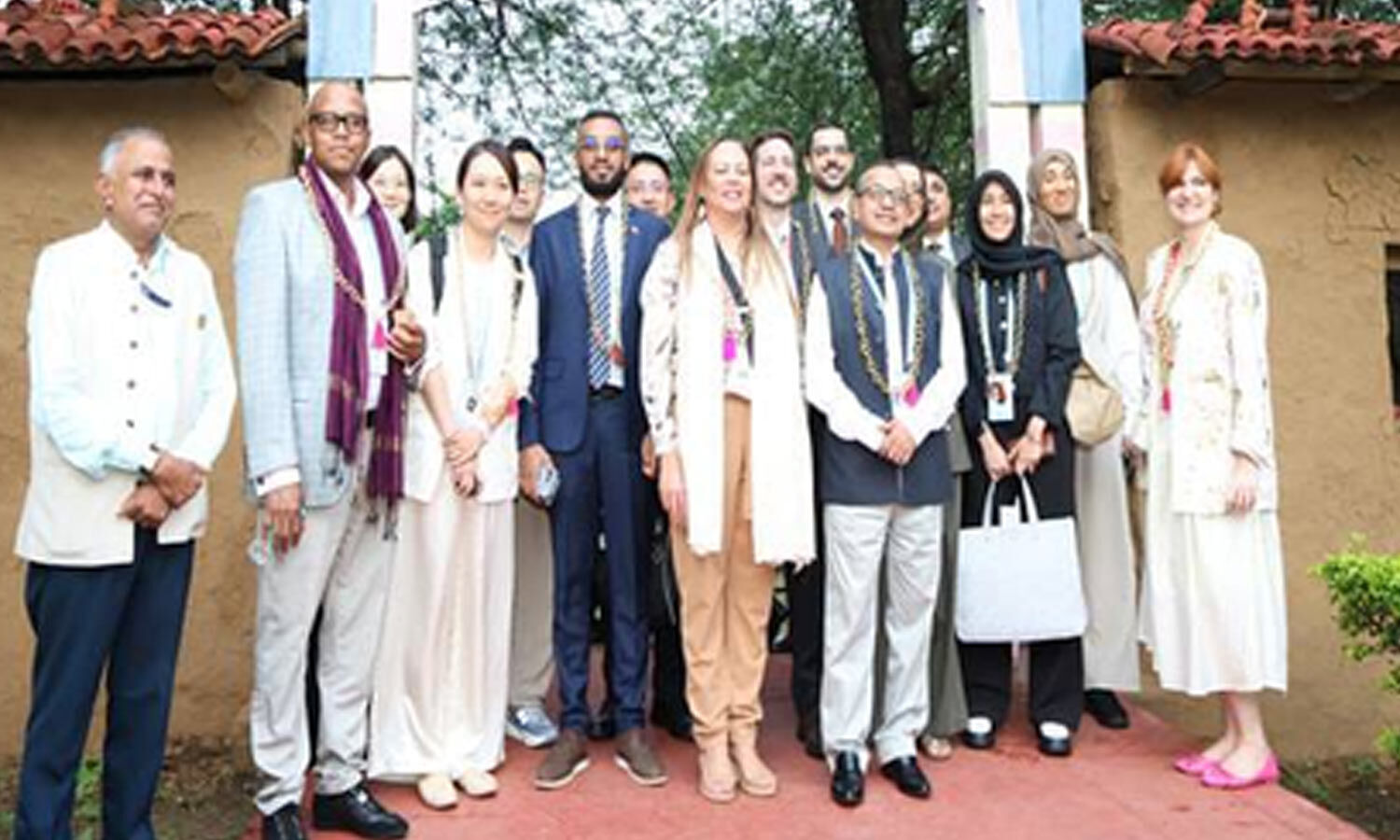
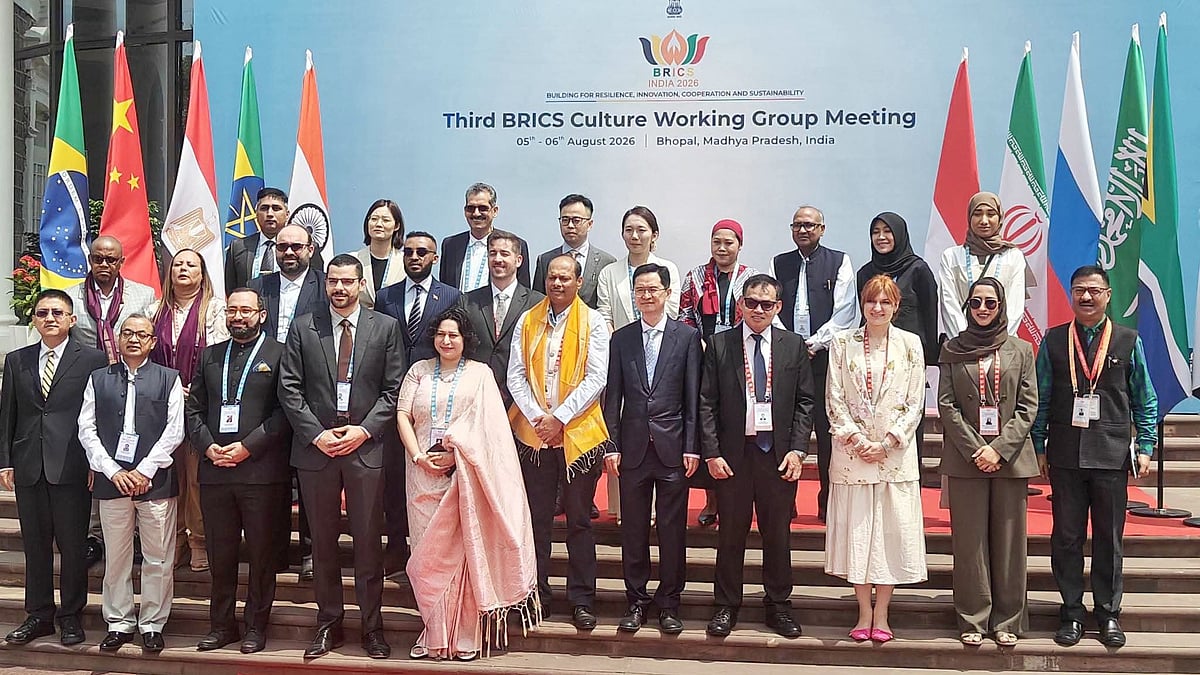
Leaders from a group of countries called BRICS met in a city called Bhopal in India.
They talked about culture, which means things like art, music, history, and old treasures.
The countries agreed to work together and made a plan called the Bhopal Declaration.
One big thing they agreed on is helping each other get back old artifacts that were stolen from their home countries.
India said it has already brought back more than 700 old treasures to the country.
They also want to help artists and craftspeople find new chances to share their work.
India suggested making a list of artists from all these countries so they can work together.
The plan also includes working together to get important historical places recognized by UNESCO.
The goal is to make cultural cooperation strong and helpful for everyone.
This meeting was part of India leading the BRICS group this time.

The 11th BRICS Meeting of Ministers of Culture concluded in Bhopal with the adoption of the Bhopal Declaration, an outcome-oriented framework for cultural cooperation.
Member countries reached a consensus on strengthening cooperation for the repatriation of stolen or illicitly trafficked archaeological and cultural artifacts.
Union Minister for Culture and Tourism Gajendra Singh Shekhawat said India has brought back over 700 cultural treasures since 2014, compared to only 13 before Prime Minister Narendra Modi assumed office.
14 countries participated in the Bhopal ministerial meeting, including 10 BRICS members and four partner countries, with 55 delegates attending.
India proposed a Voluntary Artist Registry to connect cultural professionals across BRICS countries, which received support from all partner countries.
- Who
- Union Minister for Culture and Tourism Gajendra Singh Shekhawat and ministers and delegates from 14 countries, including 10 BRICS members and four partner countries
- What
- The 11th BRICS Meeting of Ministers of Culture adopted the Bhopal Declaration, a framework for cultural cooperation including the repatriation of stolen cultural artifacts
- Where
- Bhopal, India
- When
- The three-day meeting concluded on Saturday, following earlier Culture Group meetings on April 29-30 and June 4-5
- Why
- To strengthen sustainable and practical cooperation in culture, heritage, arts, creative industries, and cultural exchange, including returning stolen cultural assets as a matter of cultural justice
Cultural Restitution Advocates
Holders of Stolen Artifacts
Return of Cultural Assets
Cultural Restitution Advocates
Cultural assets represent the sentiments, history and heritage of nations, and their return is a matter of cultural justice; consensus was reached to strengthen repatriation of stolen artifacts.
Holders of Stolen Artifacts
Scope of BRICS Cooperation
Cultural Restitution Advocates
India anchored the agenda around resilience, innovation, cooperation, and sustainable development, with an outcome-oriented declaration setting specific targets and implementation pathways.
Holders of Stolen Artifacts
Key facts
- Event
- 11th BRICS Meeting of Ministers of Culture
- Outcome
- Adoption of the Bhopal Declaration
- Participants
- 14 countries (10 BRICS members, 4 partner countries), 55 delegates
- India's Chairmanship Theme
- Building a strong foundation for resilience, innovation, cooperation, and sustainable development
- Artifacts Repatriated to India Since 2014
- Over 700 (versus 13 before 2014)
- Projected Artifacts by End of Year
- Could reach 1,000
- Key Initiative
- Voluntary Artist Registry proposed by India, supported by all partner countries
- Earlier Meetings
- BRICS Culture Group virtual meeting April 29-30; working group meeting in Varanasi June 4-5
Quotes
Union Minister for Culture and Tourism Gajendra Singh Shekhawat
India’s Union Minister for Culture and Tourism
“"Their (cultural assets) return, therefore, is also a matter of cultural justice."”
 thehansindia.com
Sources
Related news

BRICS Culture Ministers Adopt Bhopal Declaration at 11th Meeting
BRICS Culture Working Group Meeting Opens in Bhopal, India
BRICS Culture Group Meets in Bhopal on AI and Heritage
BRICS Culture Meet 2026 in Bhopal Showcases Heritage, Traditional Cuisine

Shared Values Unite BRICS Nations at Bhopal Cultural Festival

Government Defends 7.8% GDP Growth as Congress Raises Doubts
BRICS Expansion Puts Membership and Reform at New Delhi Summit

Piyush Goyal Defends India’s 7.8% GDP Growth Amid Criticism

Mahua Moitra Questions India’s 7.8% GDP Growth Figures
Goyal Defends India’s 7.8% GDP Growth Amid Data Debate
