3 weeks ago
Indian Day Traders Plan Boycott Against Closing Auction Session
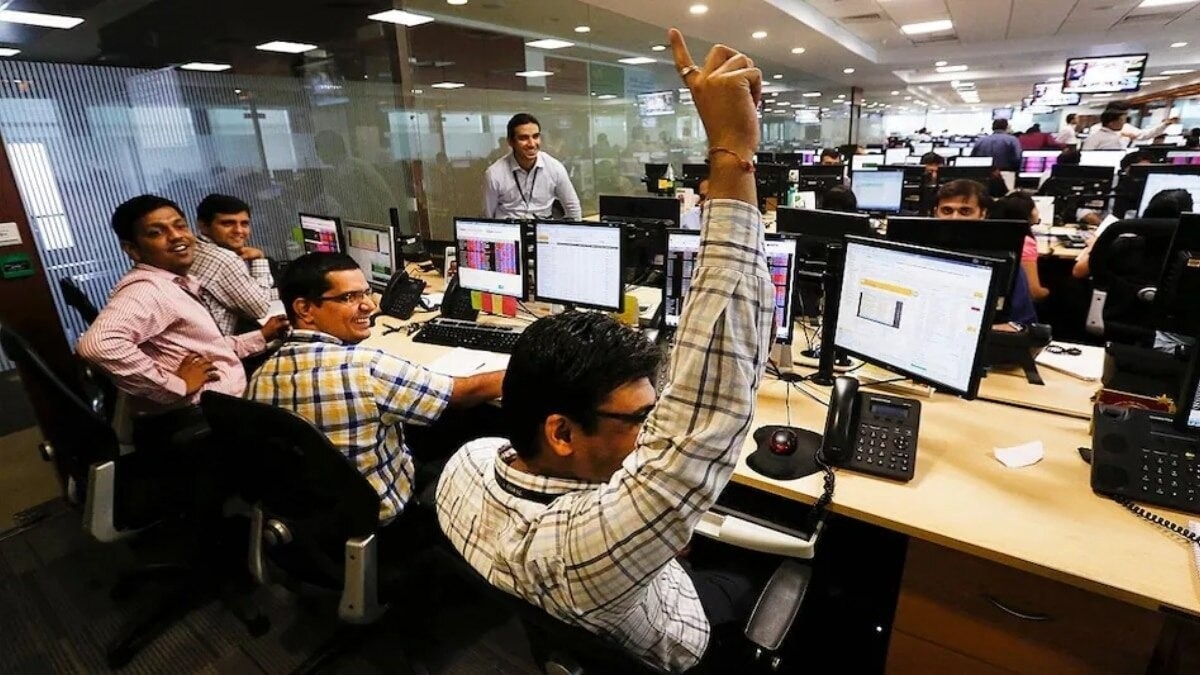
Imagine a classroom where students shout out their answers in the last 30 minutes of class, and the teacher uses those answers to decide the final price.
In India's stock market, big investors could change the final price by trading heavily at the end of the day.
The market's rule-maker, SEBI, introduced a new way called the Closing Auction Session, where everyone gets one fair chance to help set the closing price.
It is now used for about 200 big stocks.
Some daily traders are unhappy with this new method.
They say it has made the two main market scoreboards, Nifty and Sensex, move in different directions and caused some stocks to close at unexpected prices, which cost them money.
They also dislike a tax on trading called STT.
So they are asking traders to stay away from the market on Aug 12 as a one-day protest.
SEBI says the new auction makes prices less jumpy and fairer, and it is already used in many other countries.
Both sides want a healthy stock market, but they disagree on the best way to set closing prices.

Day traders are calling for a one-day 'no trade day' on Aug 12 to boycott the closing auction session (CAS).
The boycott targets the securities transaction tax (STT) and the new closing auction mechanism, which traders say impacts retail traders.
Traders allege CAS has caused a wide divergence between the Nifty and Sensex indices and differences in closing prices of some stocks, leading to substantial losses.
SEBI says CAS provides a more stable, less volatile closing price, is used in major markets across the US, Europe and Asia, and gives all participants equal opportunity in price discovery.
CAS now determines closing prices for about 200 stocks in the derivatives segment, replacing the previous VWAP-based method based on the last 30 minutes of trading.
- Who
- Indian day traders and the market regulator SEBI.
- What
- A planned one-day trading boycott against the closing auction session (CAS) and the securities transaction tax (STT).
- Where
- Indian stock markets, involving the Nifty and Sensex indices.
- When
- Aug 12, the date of the proposed 'no trade day'.
- Why
- Traders say CAS caused index divergence and closing-price differences that led to losses, while SEBI says CAS reduces end-of-day volatility and provides fairer pricing.
Day Traders' View
SEBI's View
Effect on markets and prices
Day Traders' View
CAS has caused a wide divergence between Nifty and Sensex and differences in closing prices of some stocks, resulting in substantial losses for traders.
SEBI's View
CAS provides a more stable and less volatile closing price than the VWAP-based method and is used in major markets across the US, Europe and Asia.
Reason behind the measure
Day Traders' View
The boycott is a protest against regulations and rising taxes, including the securities transaction tax (STT), that impact retail traders.
SEBI's View
SEBI introduced CAS after global passive funds reported significantly higher end-of-day volatility, which could hurt mutual funds, passive funds, ETFs and retail investment returns.
Key facts
- Boycott date
- Aug 12 ('No trade day')
- Boycott targets
- Closing Auction Session (CAS) and Securities Transaction Tax (STT)
- Stocks under CAS
- About 200 stocks in the derivatives segment
- Previous closing price method
- VWAP of trades in the last 30 minutes of the Continuous Trading Session (CTS)
- Regulator
- SEBI (Securities and Exchange Board of India)
- Indices mentioned
- Nifty and Sensex
- SEBI's stated benefit
- More stable, less volatile, fair and transparent closing price
- NSE explainer
- NSE published an explanation of the Closing Auction Session and index divergence
Quotes
Trader on X with nearly 1.5 lakh followers
Social media trader with large following
“No trade day on Aug 12. Against STT (securities transaction tax). Against CAS.”
 businesstoday.in
Sources
Related news

SEBI Defends Closing Auction Transition, Says System Improves Price Discovery

Retail investors worry about SEBI's new Closing Auction Session
India's Markets Fall as New Closing Auction System Unsettles Traders

Closing Auction Session Faces Volatility Despite Hopes For Stability

Nifty Closing Auction Gap Narrows as Markets Adapt
NSE derivatives turnover falls below ₹200 lakh crore in August

Indian Stocks Extend Three-Day Losing Streak as Oil Rises

Vodafone Idea Shares Rise as Brand Revamp Draws Investor Attention

Augmont Enterprises Rises Despite Gold-Buying Appeal and Market Risks

BSE Shares Fall as New Closing Auction Session Draws Scrutiny