23 hrs ago
Pakistan’s Stabilisation Measures Have Yet to Improve Ordinary Lives
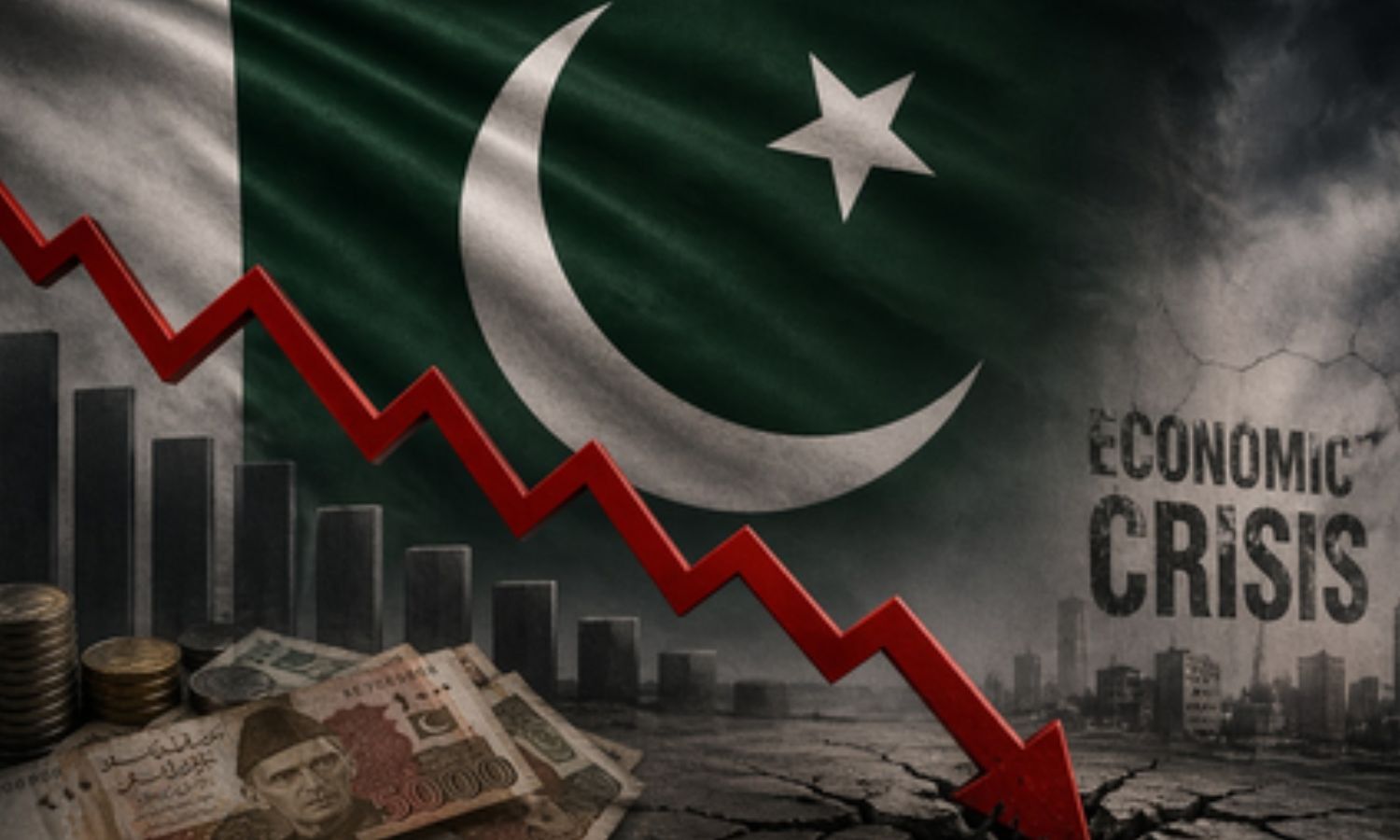
A report says Pakistan has tried to stop its economy from getting worse.
The government has focused on avoiding a default on its debts.
But the report says this has not made life better for many ordinary people.
Much of the government’s money went to regular costs, debt payments, transfers and subsidies.
Only a small share was set aside for development projects.
These projects could include schools, hospitals, roads and water systems.
The report says the government’s debt grew substantially between 2022 and 2026.
It argues that rising debt costs and losses at state-owned companies leave less money for future improvements.

A report says Pakistan’s stabilisation policies have focused on avoiding default and keeping the economy afloat, rather than delivering broad prosperity.
It says public spending largely went to routine operations, debt obligations, transfers and subsidies, with limited investment in development.
Of roughly Rs 90 trillion in public expenditure over four years, about 4.6% was allocated through the Public Sector Development Programme.
The report estimates government debt rose from roughly Rs 47 trillion in 2022 to about Rs 83 trillion by 2026.
It attributes pressure on development spending to rising interest payments, losses at state-owned enterprises and faulty taxation policy.
- Who
- The government of Shehbaz Sharif and ordinary people in Pakistan.
- What
- A report says economic stabilisation has focused on avoiding default but has brought little improvement to incomes, jobs or public services.
- Where
- Pakistan.
- When
- Over the last four years; the report compares government debt in 2022 and 2026.
- Why
- The report says public spending has prioritised short-term fiscal order and existing obligations over long-term investment and growth.
Stabilisation as fiscal necessity
Stabilisation without broad gains
Purpose and results of economic policy
Stabilisation as fiscal necessity
The government has emphasised stabilisation and IMF-backed programmes to avoid default and keep the economy afloat.
Stabilisation without broad gains
The report argues that this focus prioritised short-term fiscal order, while ordinary people saw no improvement in incomes, jobs or public services.
Use of public spending
Stabilisation as fiscal necessity
Public expenditure funded debt servicing, provincial transfers, defence, pensions, state-owned enterprise losses and energy subsidies, among other obligations.
Stabilisation without broad gains
The report says only about 4.6% of spending went through the main development mechanism, leaving limited investment in infrastructure and human capital.
Key facts
- Report publisher
- Asian News Post, a Colombo-based publication
- Public expenditure
- Rs 90 trillion over the last four years
- Debt servicing share
- About 33% of public expenditure
- Provincial transfers share
- 28.2%, under the NFC award
- Development spending share
- About 4.6% through the Public Sector Development Programme
- Government debt
- Rose from roughly Rs 47 trillion in 2022 to approximately Rs 83 trillion by 2026
Quotes
Asian News Post
Colombo-based publication that issued the report
“Most spending was consumed by routine operations, debt obligations, transfers, and subsidies, while very little was invested in infrastructure, human capital, or long-term development.”
 thehansindia.com
“Only around 4.6 per cent was allocated through the Public Sector Development Programme (PSDP), the government’s primary development spending mechanism.”
thehansindia.com
Sources
Related news
Pakistan’s External Finances Remain Dependent on IMF Loans, Foreign Deposits

Rising Utility Bills Deepen Pakistan’s Middle-Class Financial Strain
Pakistan's $1.2 Billion IMF Deal Offers Relief, Not Reform
Pakistan Imposes Fuel, Spending and Wedding Austerity Measures
Pakistan Province Restructuring Debate Raises Costs and Patronage Concerns
Pakistan Inflation Hits World’s Fastest Acceleration Amid Economic Pressure
GST Reforms, Green Card Suspensions and Global Risks
Pakistan's Nobel Hope for Trump Meets Pillay's Joke

Pakistan Condemns Houthi Attacks, Reaffirms Saudi Arabia Commitment
Pakistan to Deploy Forces to Saudi Arabia Without Parliamentary Vote