1 hr ago
Delhi Imposes BNSS Section 163 Ahead of CJP Protests
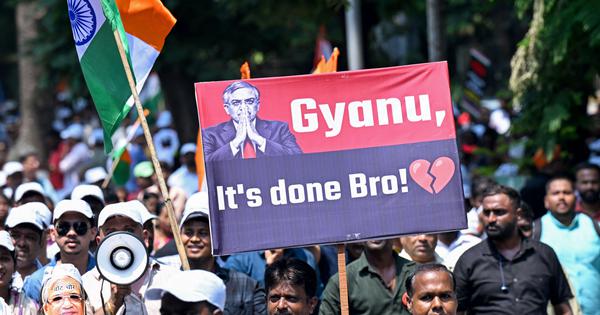
The Cockroach Janta Party planned protests in Delhi on October 9 and 10.
The party wanted Chief Election Commissioner Gyanesh Kumar to resign.
Delhi Police did not give permission, saying the application came late and rules had been broken at an earlier demonstration.
Authorities also imposed Section 163 in New Delhi district.
This law lets an Executive Magistrate make written orders to prevent certain dangers or disturbances.
It replaced Section 144 of an earlier law in 2024.
Courts have said this kind of power should be used for serious, immediate threats, not as a routine way to stop protests.
A study of Delhi orders found that only a small share prohibited unlawful assemblies.

CJP planned protests in Delhi on October 9 and 10, seeking Gyanesh Kumar’s resignation.
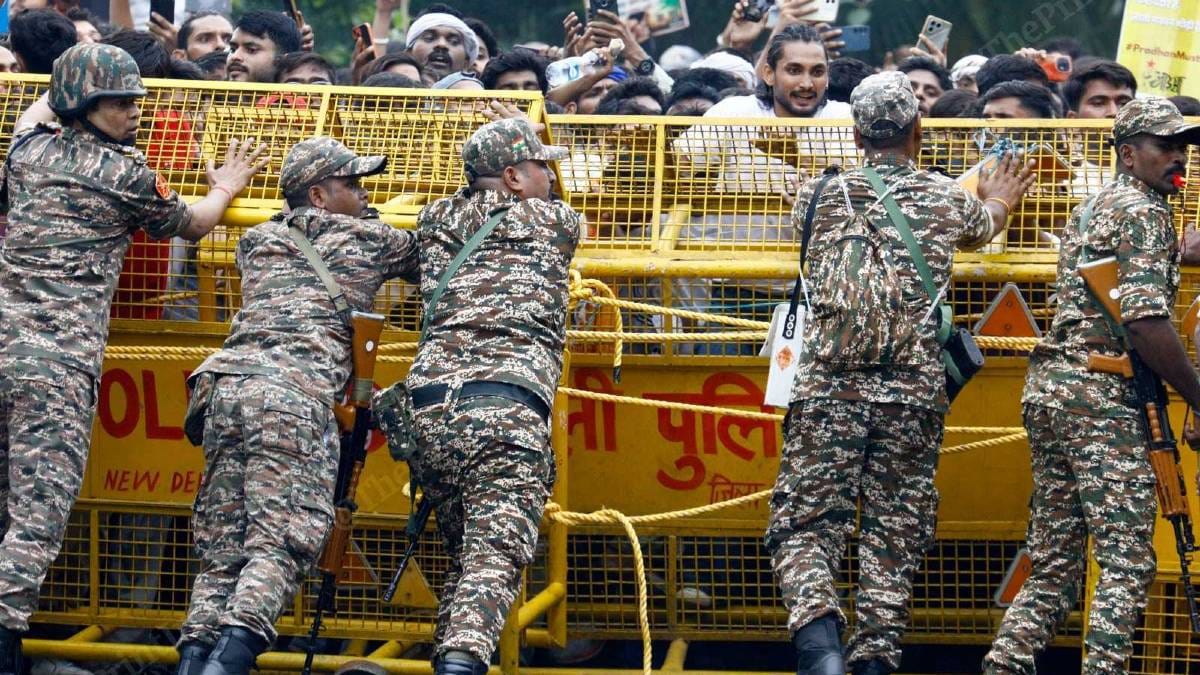
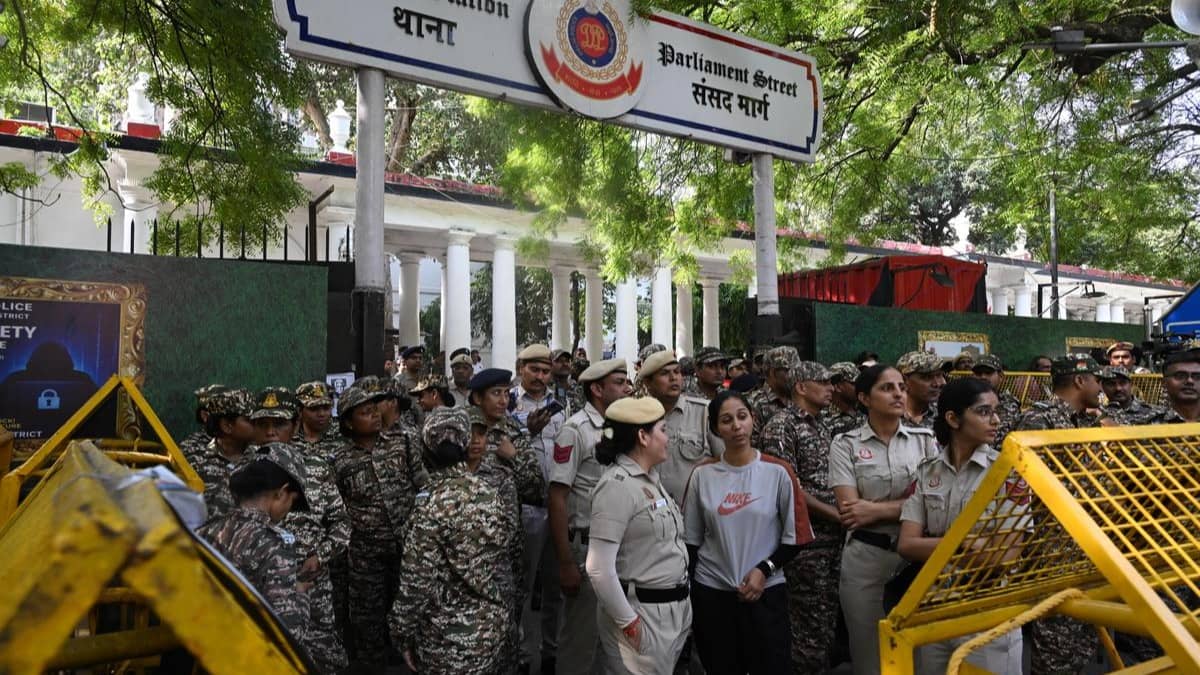
Delhi Police denied permission, citing a late application and rule violations at an earlier demonstration.
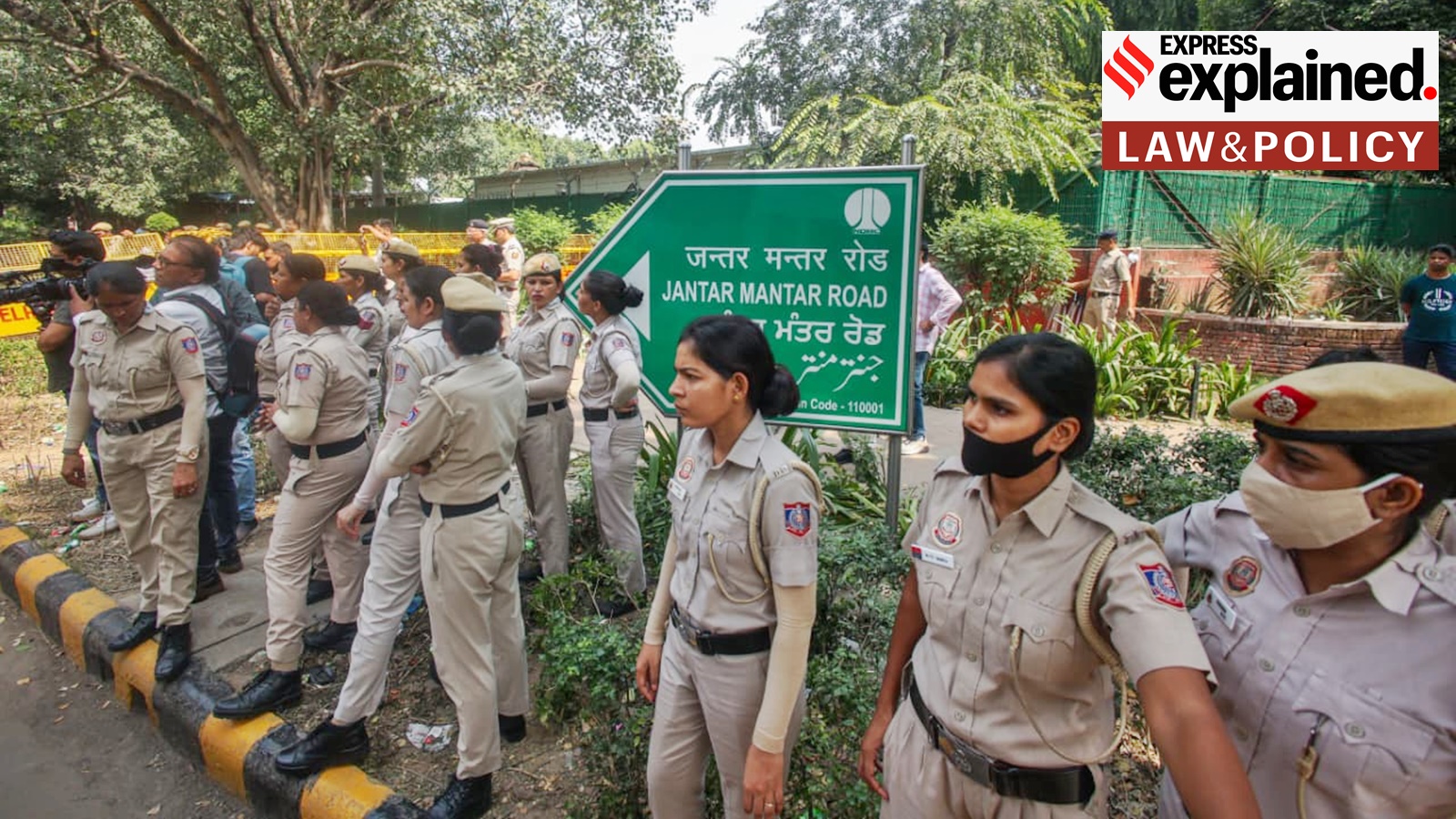
Authorities imposed BNSS Section 163 in New Delhi district ahead of the planned protests.
Section 163 replaced CrPC Section 144 in 2024 and permits written preventive directions in specified circumstances.
A Delhi study found only 81 of about 5,400 examined orders prohibited unlawful assemblies.
- Who
- The Cockroach Janta Party planned protests; Delhi Police denied permission, and authorities imposed the order.
- What
- Section 163 of the Bharatiya Nagarik Suraksha Sanhita was imposed in New Delhi district ahead of the protests.
- Where
- New Delhi district, Delhi.
- When
- Before protests planned for Saturday and Sunday, October 9 and 10; the article does not specify the year.
- Why
- The protests sought the resignation of Chief Election Commissioner Gyanesh Kumar. Police cited the late application and rule violations at an earlier demonstration when denying permission.
Emergency powers should be limited
Authorities cite public order concerns
Restrictions on planned protests
Emergency powers should be limited
The article says courts have treated Section 144, the predecessor to BNSS Section 163, as an exceptional power for specific and immediate threats—not a routine way to prevent demonstrations.
Authorities cite public order concerns
Delhi Police denied permission for the CJP gathering, citing a late application and rule violations at an earlier demonstration; authorities imposed Section 163 in New Delhi district.
How the provision is used
Emergency powers should be limited
A study of Delhi orders found that only 1.5% prohibited unlawful assemblies and described repeated renewals as a routine administrative practice.
Authorities cite public order concerns
The provision allows an Executive Magistrate to issue written directions when needed to prevent specified dangers, including risks to public safety or public tranquillity.
Key facts
- Planned protests
- CJP planned demonstrations in Delhi on Saturday and Sunday, October 9 and 10; the article does not specify the year.
- Police decision
- Delhi Police denied permission, citing late submission and rule violations during a previous demonstration.
- Order imposed
- Authorities imposed BNSS Section 163 in New Delhi district.
- Legal predecessor
- BNSS Section 163 replaced Section 144 of the Criminal Procedure Code in 2024.
- Order duration
- The article says such orders lapse within two months once the threat has passed.
- Delhi study
- Researchers examined around 5,400 of 6,100 Section 144 orders from January 2021 to 2022.
- Assembly restrictions
- The study found that 81 orders, or 1.5%, prohibited unlawful assemblies.
Quotes

Supreme Court
India’s apex court, quoted in its 2012 ruling on the use of Section 144 against a sleeping crowd.
“Such a provision can be used only in grave circumstances for maintenance of public peace. The efficacy of the provision is to prevent some harmful occurrence immediately. Therefore, the emergency must be sudden and the consequences sufficiently grave.”
 indianexpress.com
Sources
Related news
Delhi Police Denies CJP Protest Permission, Seeks Metro Restrictions
Delhi Police Reject October 10 Protest, Warn of Legal Action
Delhi Police Bars CJP Protest as Opposition Criticises Decision
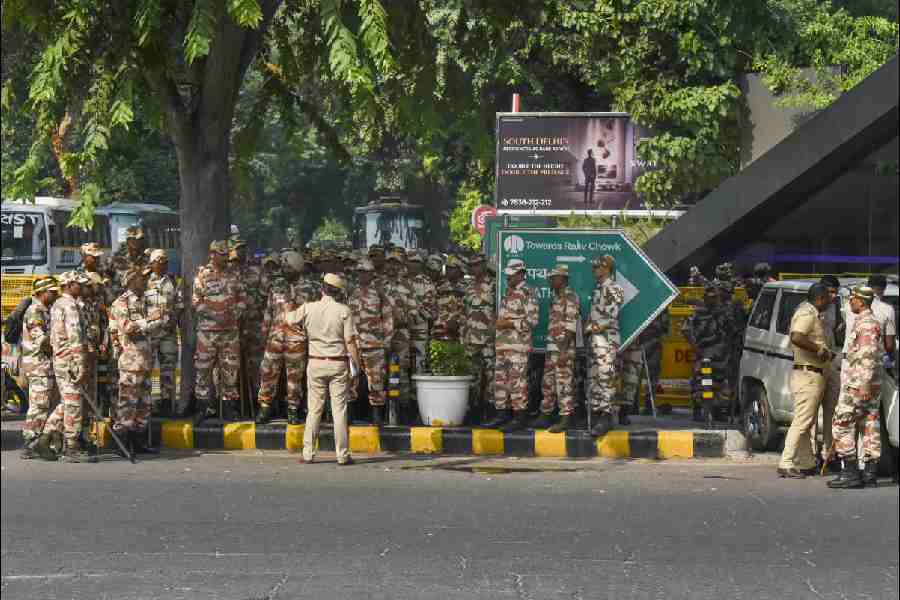
Delhi Denies Protest Permission, Tightens Security Ahead of Demonstration
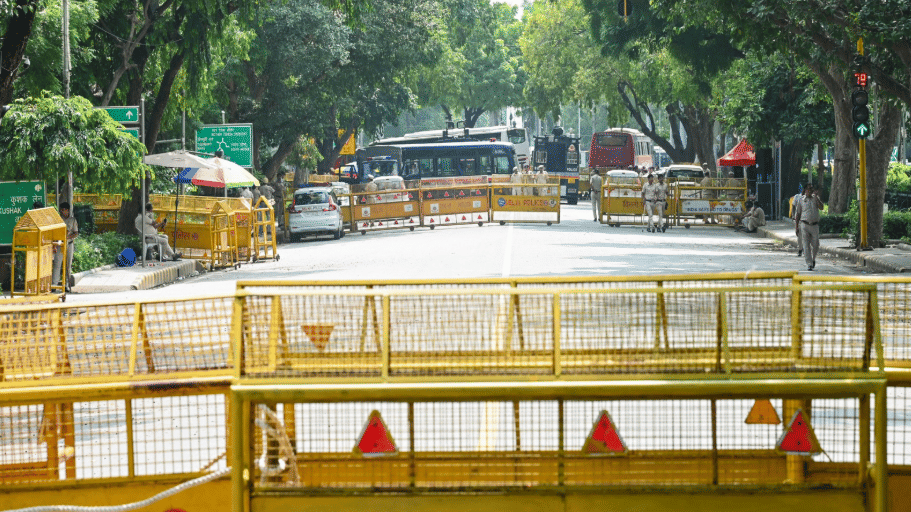
Delhi Metro Stations Shut as Jantar Mantar Protest Faces Restrictions

Centre Urges Platforms to Prioritise Content Takedown Orders
D. Raja Condemns Restrictions Ahead of Jantar Mantar Protest
INDIA Bloc MPs to Meet President Amid Election Protests
Fadnavis Uses Sibal Footage to Challenge Congress SIR Protests
Students Detained En Route to Delhi Election Chief Protest