

1 hr ago
Modi’s 25-Year Tenure Marks Shift in India’s Counter-Terror Doctrine
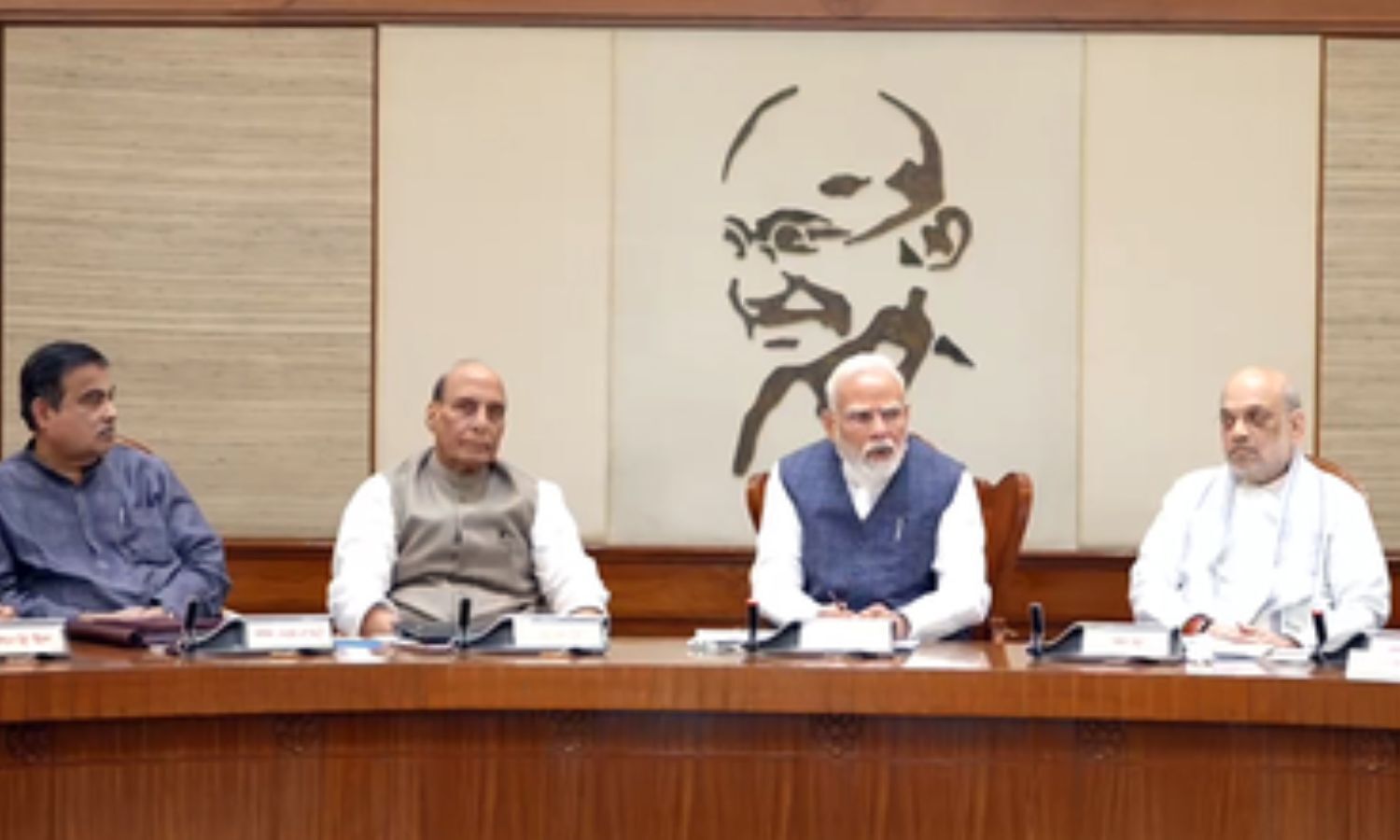
Narendra Modi has held public executive office for 25 years, first in Gujarat and later as India’s prime minister.
The article describes a change in how India responds to terrorist attacks.
It says the government invested in intelligence and police capabilities.
After attacks in Uri and Pulwama, India carried out strikes across the border.
After the Pahalgam attack, India launched Operation Sindoor against what the article calls terrorist infrastructure in Pakistan.
The article presents these actions as a move away from restraint toward stronger retaliation.
It says the government’s stated approach is to have zero tolerance for terrorism.

Narendra Modi marks 25 years in public executive office, including time as Gujarat chief minister and prime minister.
The article says his security approach emphasised intelligence gathering, police modernisation and tougher anti-terror laws.
After the 2016 Uri attack, the government authorised cross-border surgical strikes, according to the article.
Following the 2019 attack on CRPF personnel, India carried out air strikes on a Jaish-e-Mohammed facility in Balakot.
The article says Operation Sindoor targeted terror infrastructure in Pakistan after the Pahalgam attack.
- Who
- Narendra Modi and the Indian government and armed forces.
- What
- A reported shift in India’s counter-terrorism approach from strategic restraint to punitive strikes.
- Where
- India and, in the cited retaliatory operations, locations across the border in Pakistan.
- When
- Modi marks 25 years in public executive office on Tuesday, October 7; the article does not specify the year.
- Why
- The article attributes the shift to the government’s zero-tolerance approach to terrorism and its response to major attacks.
Key facts
- Public executive office
- 25 years, including service as Gujarat chief minister and India’s prime minister.
- Akshardham attack
- September 24, 2002; NSG commandos led Operation Vajra Shakti.
- Ahmedabad serial blasts
- In 2008, 21 blasts over 70 minutes killed 56 people, according to the article.
- Uri attack
- In 2016, 19 Indian soldiers were killed; the article says India then carried out surgical strikes.
- Pulwama attack
- In 2019, a suicide bomber killed 40 CRPF personnel; Balakot air strikes followed.
- Operation Sindoor
- The article says strikes targeted terror infrastructure associated with Lashkar-e-Taiba, Jaish-e-Mohammed and Hizbul Mujahideen.
Quotes
An official
An unnamed official summarising the change in India’s security doctrine.
“Strategic restraint has been replaced with an unyielding zero-tolerance policy.”
 thehansindia.com
Sources
Related news
Modi Highlights Surgical Strikes Amid Election System Credibility Concerns
India Marks 10th Anniversary of 2016 Surgical Strikes
A Decade After Surgical Strikes, Jammu Faces New Threats

PM Modi Marks 9/11 Anniversary, Renews Anti-Terror Commitment
India’s PRAHAAR Strategy Expands National Counter-Terrorism Framework Against Emerging Threats
Modi Recalls 9/11, Highlights Indian Victims and Counterterrorism
Seva Sankalp Yatra to End With Events in Vadnagar, Varanasi

Delhi Schoolchildren Draw Their Vision of Viksit Bharat
Global Media Tracks Protests Over India’s Election Commission

Cabinet Approves ₹10,000 Crore SME Growth Fund
