

3 days ago
India’s PRAHAAR Strategy Expands National Counter-Terrorism Framework Against Emerging Threats

PRAHAAR is India’s national plan for stopping terrorism.
It was announced by the Ministry of Home Affairs in February 2026.
The plan says that terrorism should not be connected to any religion or ethnicity.
It asks intelligence agencies and police forces to share information quickly.
Local police would respond first, with specialised forces providing support.
The plan also focuses on stopping terrorist money, weapons, propaganda and safe places.
It includes newer dangers such as drones, cyberattacks and encrypted communications.
Doctors, psychologists, lawyers, community leaders and other groups may help affected people recover.
The overall goal is to make India safer before attacks happen and help society withstand them if they occur.

Union Home Minister Amit Shah called for a stronger, institutionalised PRAHAAR framework and a 10-year counter-terrorism mechanism.
PRAHAAR, announced by the Ministry of Home Affairs in February 2026, is India’s first comprehensive counter-terrorism policy and strategy.
Its seven pillars include intelligence-led prevention, swift response, police capacity-building, human rights, de-radicalisation, international cooperation, and recovery and resilience.
The policy addresses drones, encrypted communications, cyberattacks, dark-web platforms, crypto-financing, social media networks and possible CBRNED threats.
PRAHAAR emphasises deterrence by denial, whole-of-society resilience and coordination between central agencies, state police and district-level authorities.
- Who
- The Ministry of Home Affairs, Union Home Minister Amit Shah, central agencies, state police forces and other security stakeholders.
- What
- India announced and discussed PRAHAAR, a seven-pillar national counter-terrorism policy and strategy.
- Where
- The conference was held in New Delhi, with the strategy intended to operate from central agencies to the thana and district levels.
- When
- The policy was announced in February 2026; Amit Shah inaugurated the related conference on a Monday, while the articles also refer to Operation Sindoor in 2025 and a September 24 speech by Rajnath Singh.
- Why
- To prevent terrorism through intelligence-led action, coordinated responses, disruption of terrorist financing and logistics, international cooperation, and long-term societal resilience.
Deterrence by Denial
Deterrence by Punishment
Preferred counter-terrorism approach
Deterrence by Denial
PRAHAAR prioritises preventing attacks by hardening targets, disrupting terrorist supply chains and improving real-time coordination before threats materialise.
Deterrence by Punishment
The punishment approach relies on retaliation that imposes an unacceptable cost after hostile action; the article says India has increasingly highlighted this option through major kinetic operations, including Operation Sindoor.
Security emphasis
Deterrence by Denial
Supporters of the PRAHAAR framework emphasise resilient domestic systems, local police preparedness and reducing the window between threat detection and response.
Deterrence by Punishment
Critics of relying mainly on denial could argue that prevention alone may not deter actors who expect limited consequences, although the articles do not attribute this view to a specific critic.
Key facts
- Policy status
- PRAHAAR was described as India’s first comprehensive counter-terrorism policy and strategy.
- Announcement
- The Ministry of Home Affairs announced PRAHAAR in February 2026.
- Core doctrine
- The strategy is based on zero tolerance, intelligence-led prevention and coordinated response.
- Seven pillars
- Prevention; swift response; capacity aggregation; human rights and rule of law; graded de-radicalisation; international cooperation; and recovery and resilience.
- Technology threats
- The policy identifies drones, encrypted communications, dark-web platforms, crypto-financing, cyberattacks, robotics and online propaganda as concerns.
- Legal provisions
- The articles identify Section 15 of the Unlawful Activities (Prevention) Act and Section 113 of the Bharatiya Nyaya Sanhita as provisions defining terrorist acts.
- Global Terrorism Index
- The article states that India ranked 13th on the 2026 Global Terrorism Index, with a score of 6.43.
Sources
Related news
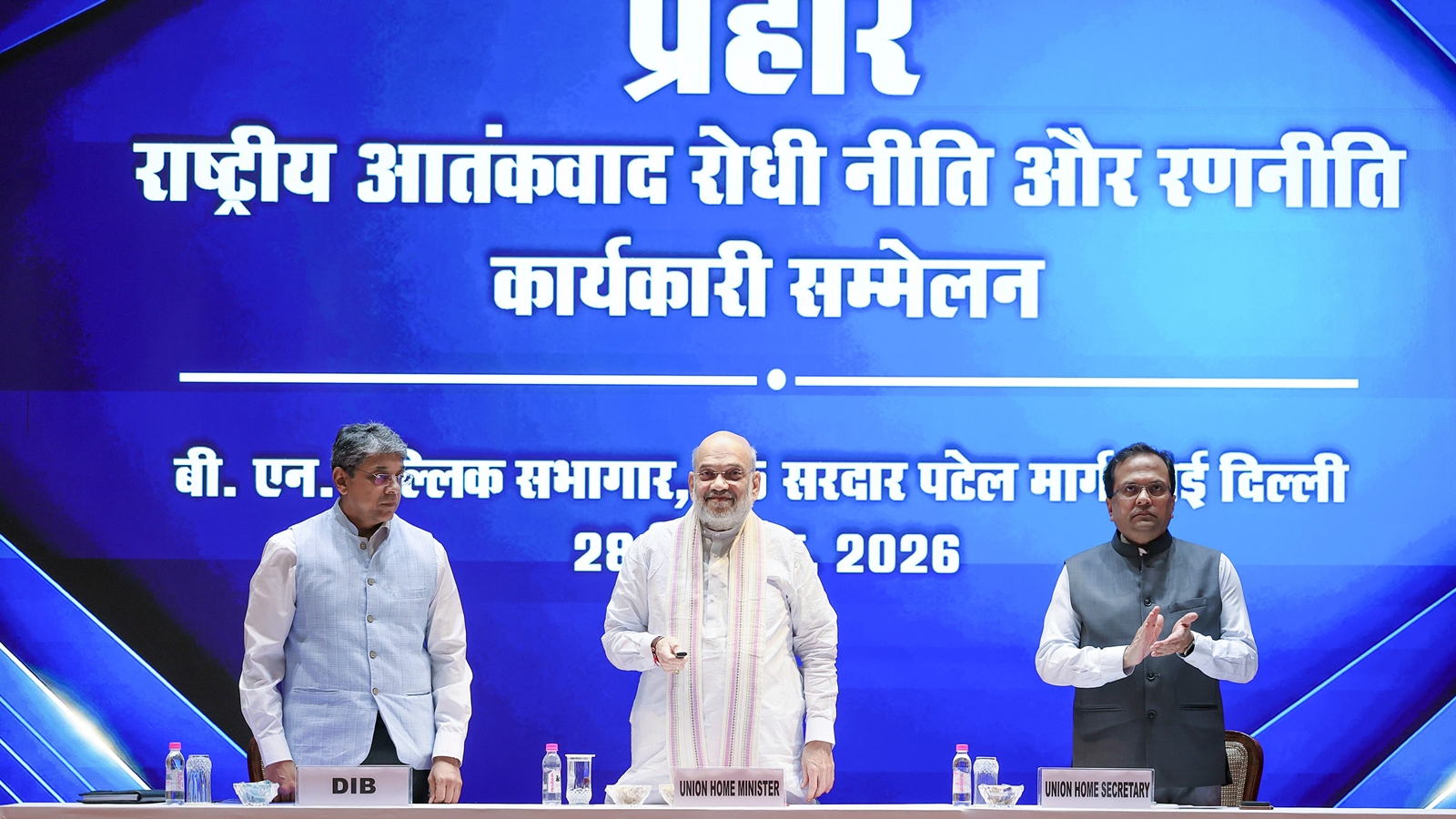
Amit Shah Urges 10-Year Roadmap for PRAHAAR Counter-Terror Strategy
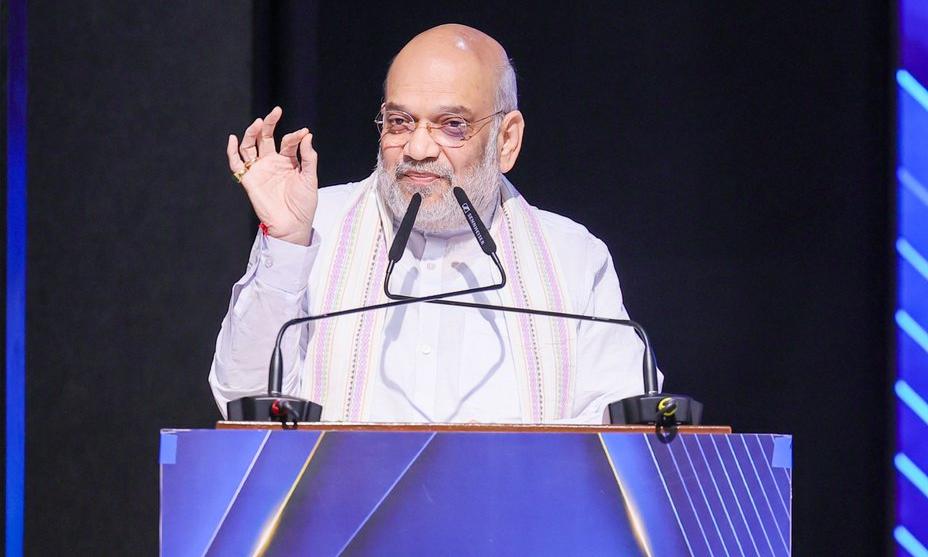
Shah Calls for Zero-Delay Counterterror Action, Launches Extradition Portal
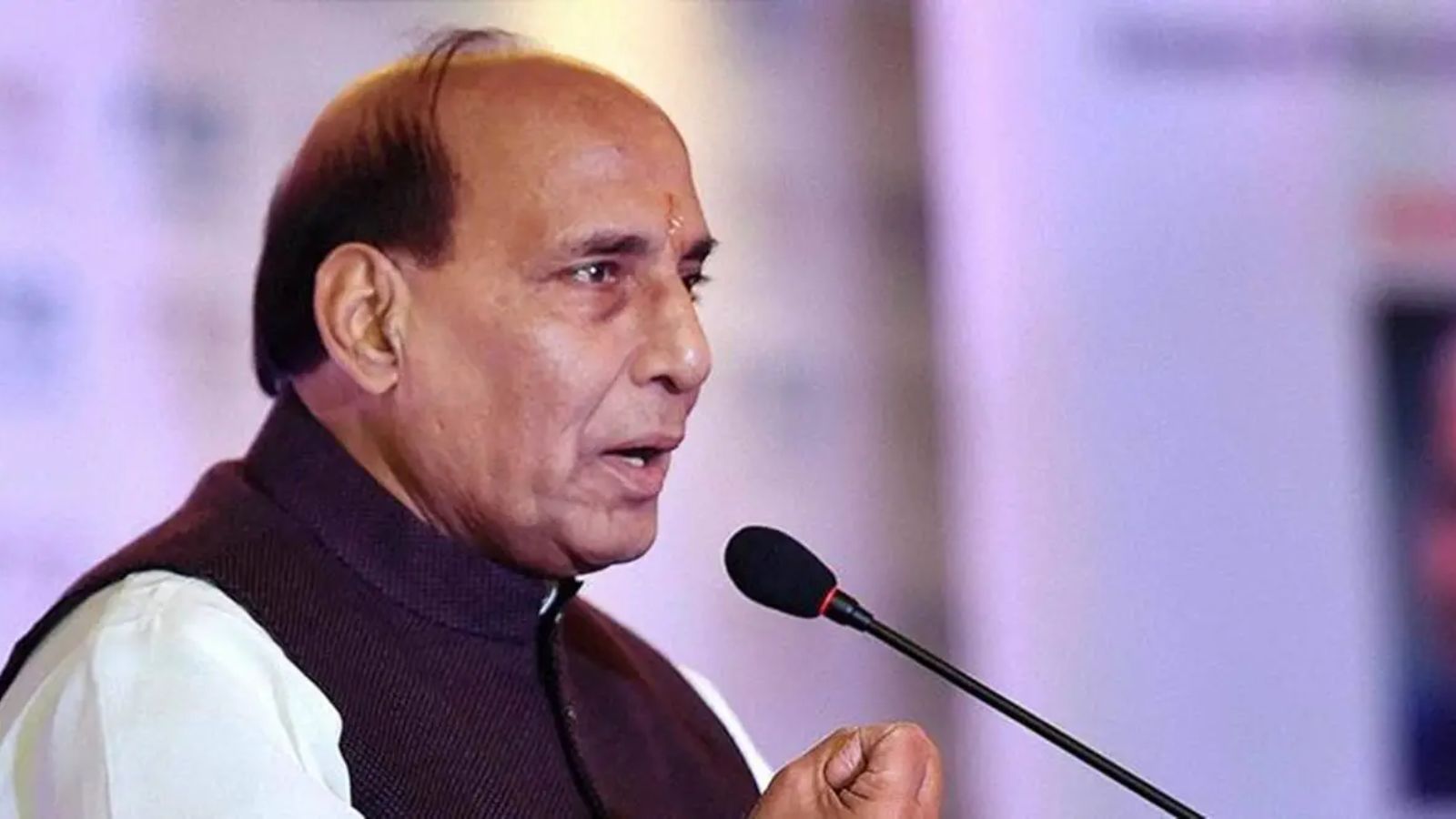
Rajnath Singh Warns Against Perimeter Fallacy, Backs Punishment Deterrence
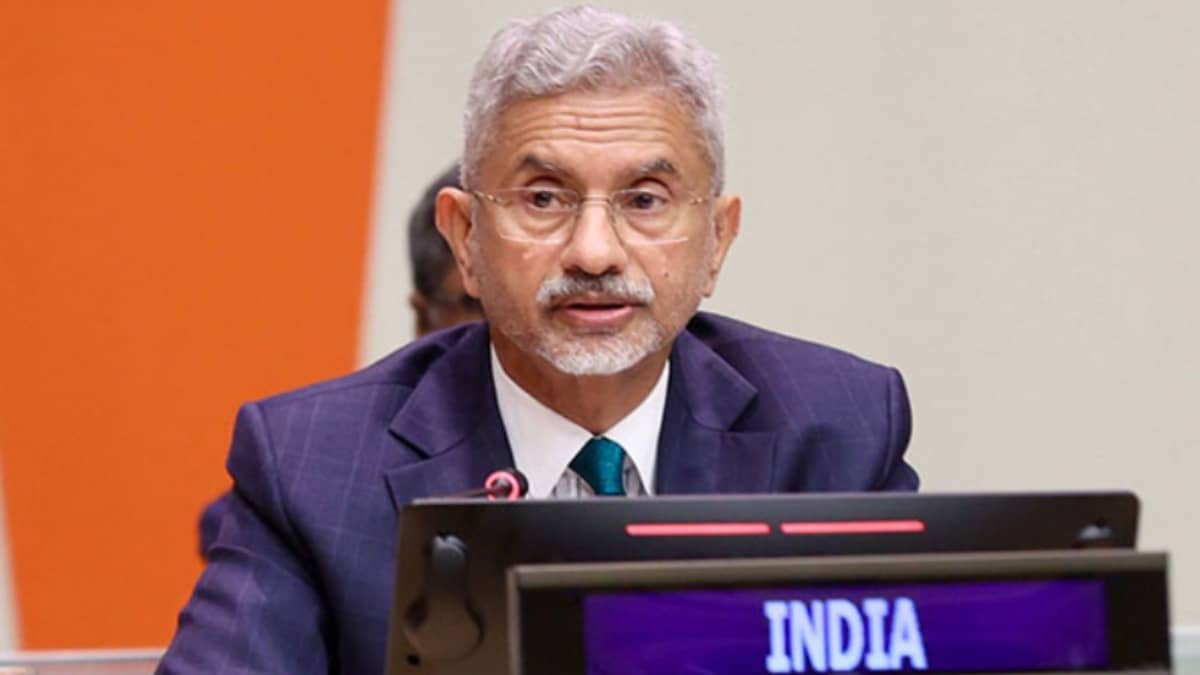
Jaishankar Rebukes Pakistani Reporter Over Terrorism Question At UNGA

India, Brazil and South Africa Seek Unified Action Against Terrorism
India Designates Pakistan-Based Shahzad Bhatti Network Terrorist Organisation

Top 10 Safest Countries for Worry-Free Vacations in 2026
